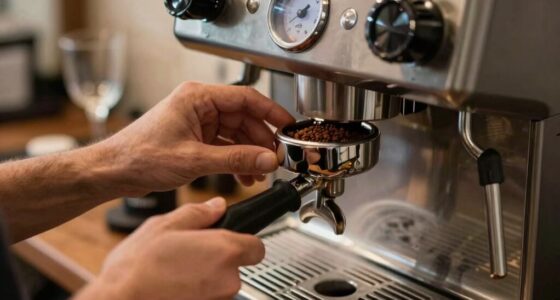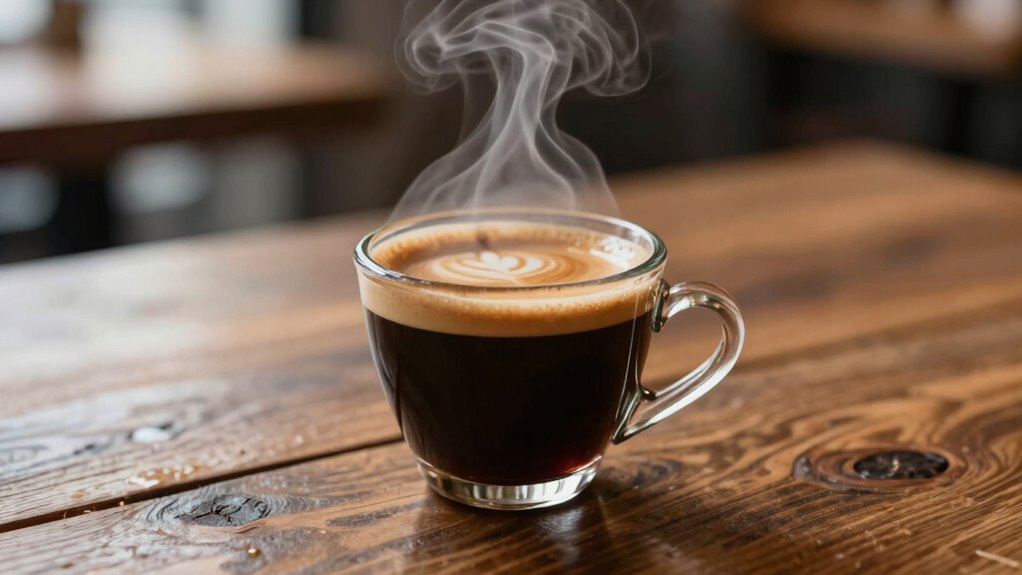

Espresso isn’t just about strength or caffeine; it’s a complex drink crafted through precise techniques like proper tamping, grind size, and controlled extraction time. The flavors and aromas come from different beans, roast levels, and brewing styles, making each shot unique. Darker roasts bring smoky notes, while lighter roasts highlight fruity or floral qualities. Understanding these elements reveals why espresso is about craftsmanship and flavor, not just a quick energy boost—if you explore further, you’ll discover even more about this rich, artisanal beverage.
Key Takeaways
- Espresso’s strength is about concentration and flavor complexity, not just caffeine content or boldness.
- The brewing process, including pressure and extraction time, significantly influences taste beyond mere strength.
- Different roast levels and origins create diverse flavor profiles, making espresso a nuanced sensory experience.
- Variations like ristretto or lungo showcase versatility, emphasizing craftsmanship over simple strength.
- Understanding aroma, body, and acidity reveals espresso’s rich depth beyond perceived intensity.

atatix Espresso Machine with Milk Frother, 20 Bar Pressure Espresso Maker, with 44OZ Removable Tank, Compact Stainless Steel Coffee Machine for Home, Office, Latte, Cappuccino, Macchiato, Silver
【Make Favorite Espresso Coffee by Yourself】The espresso machine with milk frother allows you to prepare all your favorite…
As an affiliate, we earn on qualifying purchases.
As an affiliate, we earn on qualifying purchases.
What Makes Espresso Different From Regular Coffee?

Espresso differs from regular coffee primarily in its brewing process and resulting strength. This method uses high pressure to extract concentrated flavors quickly, creating a bold, rich shot. Your flavor profiles are more intense, highlighting nuanced notes that can vary widely based on bean origins. For example, beans from Ethiopia may lend fruity and floral tones, while those from Brazil often bring nutty, chocolatey flavors. The roasting level also influences taste, with darker roasts producing a more robust, smoky profile. Unlike drip coffee, which features a broader, milder taste, espresso delivers a compact, powerful punch of flavor. Additionally, the brewing techniques used in espresso extraction are critical in developing its unique character. Understanding bean origins and roasting styles helps you appreciate the complex flavors that distinguish espresso from regular coffee. Recognizing the importance of water quality can further enhance the extraction process and flavor profile. Paying attention to extraction time can also significantly impact the richness and balance of the espresso shot. Proper tamp pressure during brewing is essential for consistent results and optimal flavor extraction. By understanding bean origins and roasting styles, you’ll appreciate the unique character that makes espresso stand out from regular coffee.

SHARDOR Electric Super Silent Blade Coffee Grinder, Timed Grind Control Rotary Knob, Adjustable Coarse to Fine for Coffee Beans, Spices & Herbs, with 1 Removable Stainless Steel Bowl, Black
【Adjustable Grinding Precision】There are seconds marks above the timing knob, from coarse to fine. You can choose the…
As an affiliate, we earn on qualifying purchases.
As an affiliate, we earn on qualifying purchases.
How Is a Perfect Espresso Brewed?
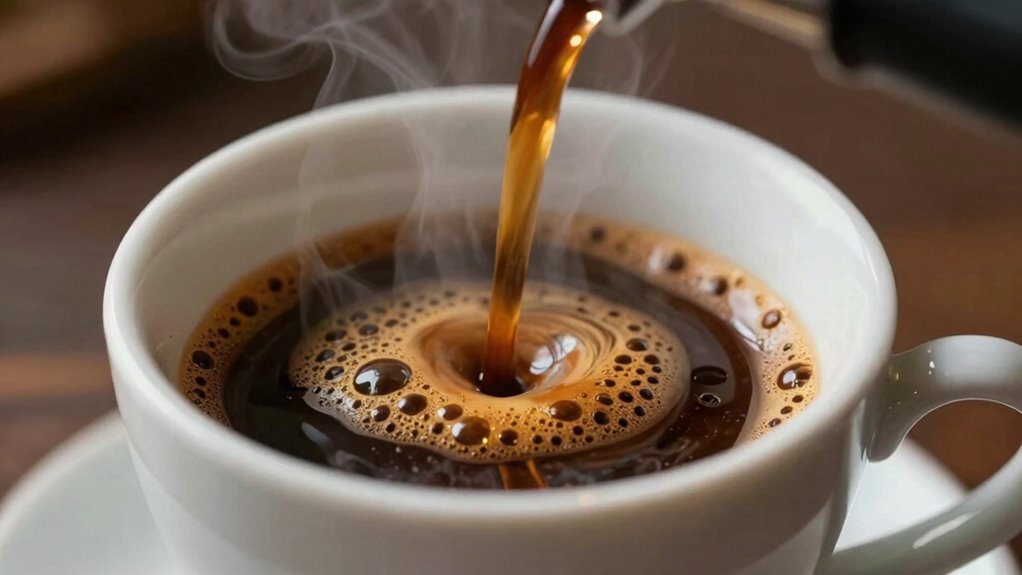
Brewing a perfect espresso requires attention to detail and precision at every step. You need quality espresso equipment and carefully selected coffee beans, ideally with a specific origin that enhances flavor. Start with fresh, finely ground coffee, using about 18-20 grams for a double shot. Proper tamping ensures even extraction. Maintain the right water temperature (around 200°F) and pressure (9 bars). Extraction should take about 25-30 seconds, producing a rich, crema-topped shot. Consistency is key—adjust grind size, tamping pressure, or extraction time if the taste isn’t ideal. Additionally, monitoring extraction time helps ensure maximum flavor. To achieve optimal results, using a consistent grind size can significantly influence the quality of your espresso. For best outcomes, understanding the importance of precise pressure control can make a notable difference in your brewing process. Paying close attention to water quality can also greatly impact the clarity and overall taste of your espresso. Ensuring proper temperature stability throughout the process is essential for a balanced and flavorful shot.

Normcore V4 Coffee Tamper 53.3mm – Spring-loaded Tamper – Barista Espresso Tamper with 15lb / 25lb / 30lbs Replacement Springs – Anodized Aluminum Handle and Stand – Flat Base
WHY NORMCORE Spring-loaded Tamper? Whether you are a novice or an experienced barista, it is always a challenge…
As an affiliate, we earn on qualifying purchases.
As an affiliate, we earn on qualifying purchases.
What Are the Key Flavors and Aromas in Espresso?
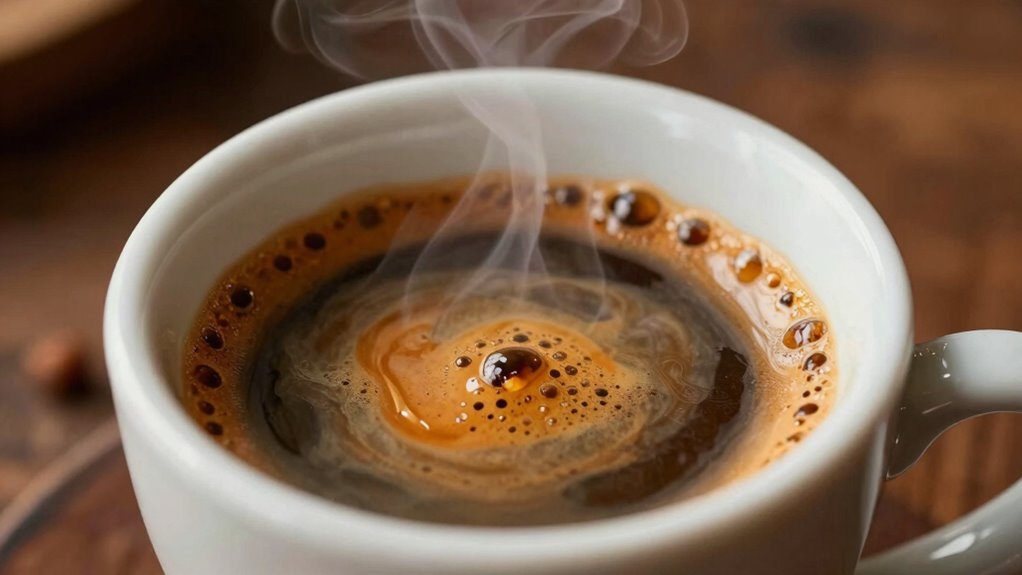
The process of creating a perfect espresso not only involves careful technique but also results in a complex symphony of flavors and aromas. When you take a sip, you’ll notice floral notes that add a delicate, fragrant layer to the experience. These subtle floral hints can remind you of jasmine or rose, enhancing the aroma profile. Alongside these, fruity undertones often emerge, providing bright, lively flavors reminiscent of berries or citrus. These nuances make espresso more than just a strong brew; they reveal a layered complexity that evolves on your palate. The balance of floral and fruity aromas contributes to its rich character, making each shot unique. Recognizing these key flavors helps you appreciate espresso’s depth beyond its strength or caffeine content. Additionally, understanding the flavor profile of espresso can deepen your appreciation for its intricate sensory qualities. Exploring the aroma compounds involved in espresso can further enrich your sensory experience and understanding of this complex beverage. Moreover, the sensory analysis of espresso can help identify and appreciate these delicate differences more precisely, especially when considering the flavor and aroma profiles that define its character.

Qipecedm Espresso Cups Set of 2, 4 OZ Double Spouts Cups, Shot Glasses, Milk Cup with Handle, Clear Glass, Espresso Accessories for Machine, Small
【ESPRESSO MACHINE ACCESSORIES】The capacity of 4 oz allows you to fill 2 servings of espresso at one time….
As an affiliate, we earn on qualifying purchases.
As an affiliate, we earn on qualifying purchases.
Debunking Myths About Espresso Strength and Caffeine
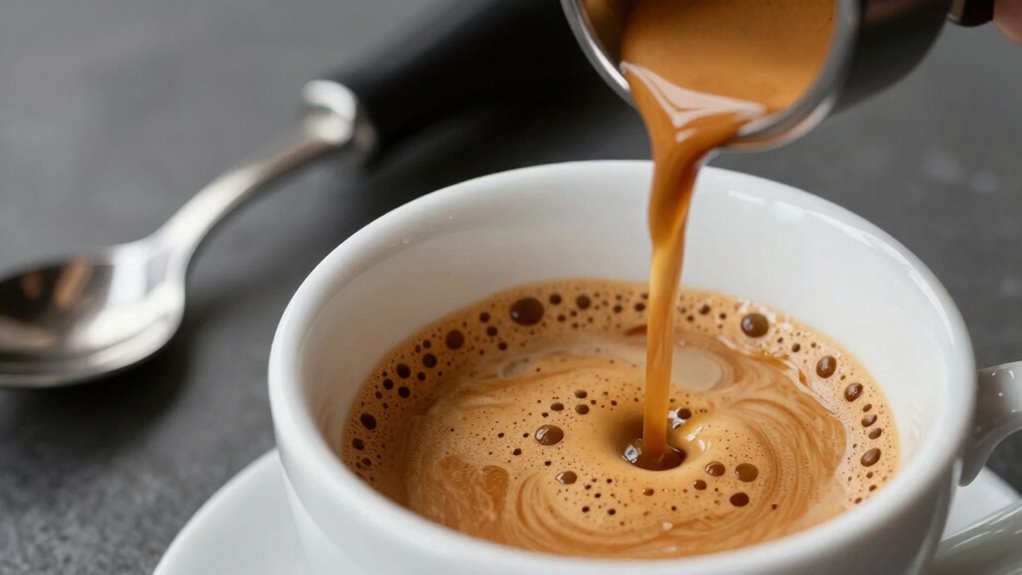
Many people assume that a shot of espresso is unbearably strong or packed with caffeine, but this isn’t always the case. Espresso myths often lead to misconceptions about its actual strength and caffeine content. For example, people think that the darker the roast, the higher the caffeine, which isn’t true. Similarly, many believe that espresso always equals an energy boost, ignoring variations in brewing and serving size. Understanding these caffeine misconceptions helps you appreciate espresso beyond its reputation as a “strong” coffee. Additionally, espresso’s brewing process plays a significant role in its overall strength and flavor profile. The roasting process can also influence the caffeine content, but it is often misunderstood by consumers. Recognizing how coffee bean roasting affects caffeine levels can help dispel these common myths. Being aware of brew strength factors can further deepen your understanding of what makes espresso unique. For instance, the extraction time during brewing can greatly impact the final caffeine and flavor profile, regardless of roast level.
Mastering the Art of Espresso Making
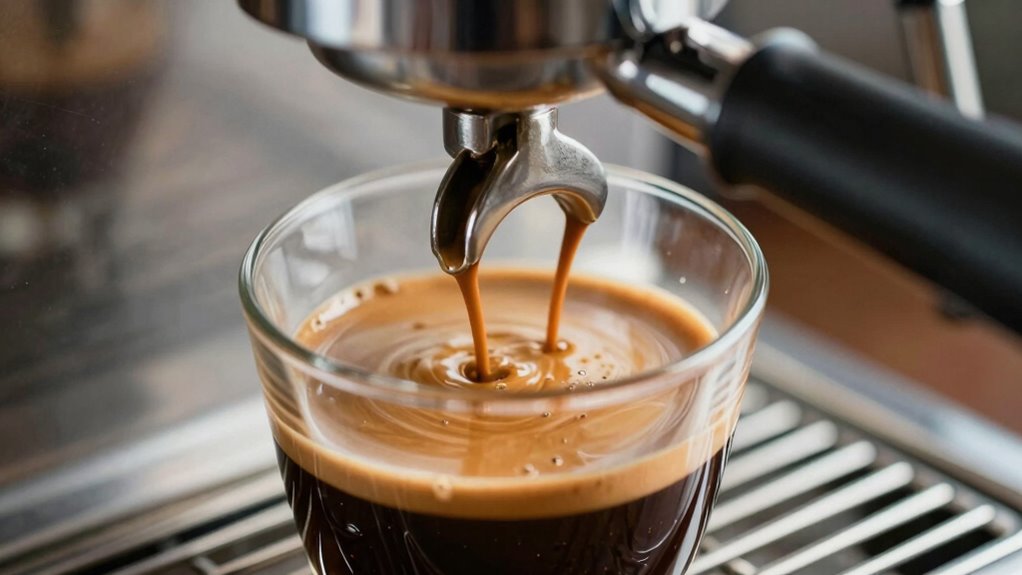
To make great espresso, you need to focus on consistency in your grind size and distribution. Applying proper tamp techniques guarantees even extraction and rich flavor. Mastering these basics sets the foundation for truly exceptional espresso shots.
Perfecting Grind Consistency
Achieving perfect grind consistency is essential for pulling a great shot of espresso, as even slight variations can substantially impact flavor and extraction. To master consistency control, focus on maintaining a uniform grind size, which directly influences extraction time and taste. Small adjustments in your grinder settings can make a big difference, so document your ideal settings for different beans. Regularly cleaning your grinder prevents clumping and uneven grind size. Be mindful of how environmental factors like humidity affect your grind, and calibrate accordingly. Consistent tamping pressure also ensures the grind size performs predictably. Remember, consistency in coffee brewing isn’t just about the grind; it’s about controlling every step. Using a calibration method can help you fine-tune your grinder for optimal results. Paying attention to grind size and how it interacts with your equipment and environment can significantly improve your results. Additionally, understanding extraction time helps you better control the brewing process for balanced flavor.
Proper Tamp Technique
Mastering proper tamp technique is essential for extracting the best flavors from your coffee. Applying the right tamp pressure ensures even extraction, preventing over-extraction or under-extraction. Aim for about 30 pounds of force—consistent tamp pressure creates uniform coffee bed density. Your distribution technique also matters; evenly spreading coffee before tamping avoids channeling and ensures water flows through all grounds equally. Use a level tool or your finger to distribute the coffee evenly across the basket. Afterward, apply firm, steady pressure with your tamper, keeping it level. Practice helps develop a steady hand and consistent pressure. Proper tamp technique, combining even distribution and controlled tamp pressure, is key to achieving rich, balanced espresso shots every time. Paying attention to coffee bed density can significantly improve your brewing results. Understanding the importance of consistent pressure is crucial in achieving optimal extraction and flavor.
How Roast Levels Change Espresso Taste
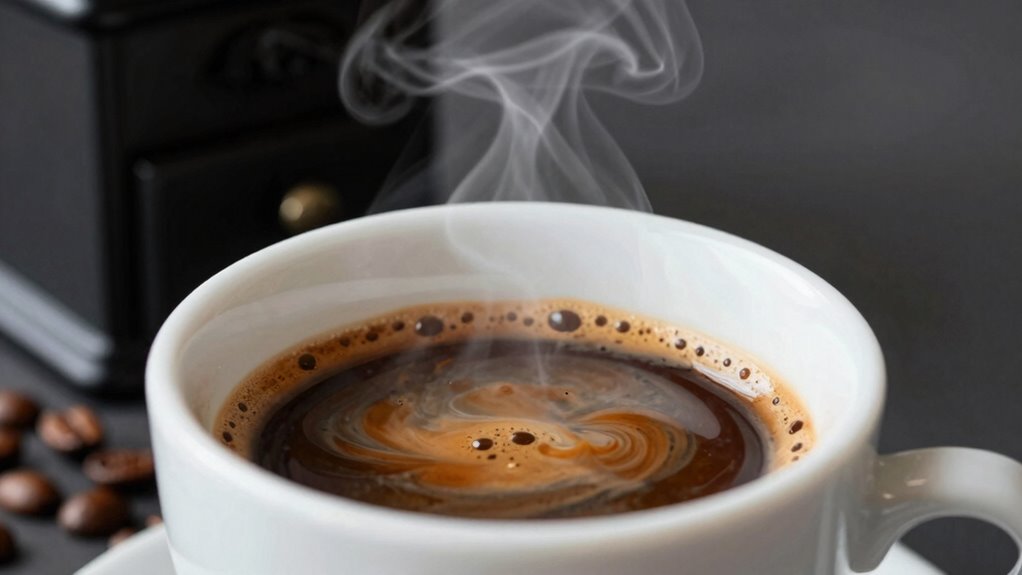
Your choice of roast level directly influences the flavor of your espresso; lighter roasts highlight bright, fruity notes, while darker roasts bring out bitter, smoky flavors. As the roast gets darker, the coffee’s inherent acidity diminishes, and roasted undertones become more prominent. Understanding these differences helps you tailor your espresso to match your preferred taste profile.
Light Roasts Bright Flavors
Light roasts tend to highlight the bright, nuanced flavors of coffee beans, making them a popular choice for those seeking a more vibrant espresso experience. With their higher bean freshness and preserved acidity, these roasts often reveal fruity and floral notes that shine through in your shot. As you craft your espresso, focus on the appearance of coffee art, which reflects the bean’s clarity and freshness. Light roasts also preserve more of the bean’s original character, offering a complex flavor profile that’s less masked by roasting. To maximize these bright flavors, use freshly ground beans and adjust your brewing parameters. Remember, the lighter the roast, the more prominent the natural, lively qualities of the coffee will be in your espresso.
- Preserves natural acidity
- Highlights fruity and floral notes
- Requires precise extraction
- Showcases coffee art more vividly
- Emphasizes bean freshness
Dark Roasts Bitter Notes
As coffee roasts progress into the dark spectrum, their flavor profile shifts markedly, often bringing out more intense and bold characteristics. Dark roasts tend to emphasize roasted notes, which deepen the overall flavor. You’ll notice a pronounced dark bitterness, giving the coffee a sharper, more pronounced edge. This bitterness results from the longer roasting process, which breaks down acids and sugars, creating complex, smoky flavors. The roasted notes become more dominant, often overshadowing the original bean characteristics. The bitterness can add a sense of richness and depth, making each sip feel more robust. However, it’s important to balance these flavors; too much dark bitterness can overpower the drinker’s palate. Ultimately, dark roasts deliver a bold, intense espresso experience with prominent roasted notes and a distinct bitter profile.
Roast Level Impact
The level of roast considerably influences the flavor profile of espresso, shaping its aroma, body, and acidity. Light roasts highlight bright, fruity notes and preserve more of the coffee’s original characteristics from cultivation. Medium roasts balance acidity with fuller body, emphasizing sweetness and nuanced flavors. Dark roasts, on the other hand, develop bold, smoky, and bitter notes, often overshadowing origin flavors. Your choice of roasting impacts how brewing equipment extracts flavors, as darker roasts are more forgiving with different setups. Coffee cultivation practices also affect how roast levels taste, with some beans suited better for specific roast profiles. Understanding roast levels helps you customize your espresso experience, from bright and lively to deep and intense.
- Highlights origin flavors or boldness
- Affects brewing equipment compatibility
- Connects to coffee cultivation methods
- Changes perceived acidity and sweetness
- Influences espresso’s overall body
Exploring Different Espresso Styles and Variations

Exploring different espresso styles and variations reveals how versatile this rich brew can be. You can enjoy a classic ristretto, which is a shorter, more concentrated shot, or a lungo, offering a milder, larger cup. Each style brings unique flavors and textures, highlighting the importance of espresso art—beautiful patterns created during pouring—that elevates the experience. You might also experiment with added flavorings or milk-based drinks like cappuccinos or macchiatos. These variations allow you to discover perfect coffee pairings, whether it’s a sweet pastry or a tangy fruit, enhancing each sip. By exploring these styles, you deepen your appreciation for espresso’s complexity and craftsmanship, making every cup a personalized experience beyond just strength.
Why Craftsmanship and Tradition Matter in Espresso

Just as experimenting with different espresso styles reveals its versatility, understanding the craftsmanship behind each cup deepens your appreciation for this art form. Traditional methods and artisanal techniques preserve the heritage of espresso-making, ensuring each shot reflects centuries of expertise. When you value craftsmanship, you support heritage preservation and authentic practices that maintain the integrity of the drink. Skilled baristas use precise grinding, tamping, and extraction techniques that can’t be rushed or automated. This dedication keeps alive the rich history and cultural significance of espresso. By appreciating these traditions, you honor the artisans who have refined their craft over generations. It’s not just about the flavor but also about respecting the legacy behind every espresso shot.
Valuing artisanal techniques preserves espresso’s rich heritage and honors generations of craftsmanship.
- Preservation of artisanal techniques
- Cultural significance of tradition
- Skilled craftsmanship’s impact on flavor
- Heritage preservation in brewing
- Maintaining authenticity through tradition
Frequently Asked Questions
How Does Water Temperature Affect Espresso Flavor?
Water temperature plays a vital role in espresso flavor because it affects flavor extraction techniques. If the water is too hot or too cold, it can lead to inconsistent water temperature, resulting in over or under-extraction. You want consistent water temperature to guarantee ideal flavor extraction, highlighting the coffee’s nuances. Proper temperature control helps you achieve a balanced, rich espresso with the desired aroma and taste.
Can Espresso Be Made With Alternative Coffee Beans?
You can absolutely make espresso with alternative beans! Don’t think it’s limited to traditional dark roasts—using different beans opens flavor diversity that’s mind-blowing. Whether it’s exotic single-origin beans or unique blends, they each bring a distinct character to your shot. Experimenting with alternative beans can turn your espresso experience into an adventure, revealing new layers of aroma and taste you never imagined possible.
What Equipment Is Essential for Brewing Authentic Espresso?
To brew authentic espresso, you need a quality espresso machine with a good pump and a burr grinder for coffee freshness. Use fresh, finely ground coffee for the best flavor. Focus on techniques like pouring the shot correctly to create beautiful espresso art. Consistently high water temperature and pressure are key to extracting rich, bold espresso, making each cup a true specialty.
How Does Grind Size Impact Espresso Extraction?
You might think grind size doesn’t matter, but it’s essential for proper espresso extraction. Using the right grind size guarantees grind consistency and ideal particle distribution, which helps water flow evenly through the coffee. Too fine, and extraction becomes overdone, resulting in bitter flavors. Too coarse, and extraction is underdone, leading to weak, sour shots. Adjusting grind size balances extraction, delivering a rich, smooth espresso every time.
Is Decaffeinated Espresso as Flavorful as Regular?
Decaffeinated espresso can be as flavorful as regular, but it often has a different taste comparison due to the decaffeination process. You might notice subtle differences in aroma and richness, but quality decaf espresso still offers a satisfying flavor profile. Your experience depends on the beans and extraction method. With the right choice, you can enjoy a flavorful, satisfying shot that rivals regular espresso in taste.
Conclusion
And just like discovering that your favorite book was written by a renowned author you never knew, realizing espresso’s complexity can surprise you. It’s not just about strength or caffeine—it’s about craftsmanship, tradition, and flavor nuances. So, next time you sip, remember that espresso’s true magic lies in its artistry. Sometimes, the most unexpected details reveal the deepest appreciation, reminding you that what’s beneath the surface often holds the real story.