Your sense of smell influences how you perceive coffee’s flavor even before the first sip. The aroma triggers expectations, as scent nuances signal specific taste profiles and characteristics. Freshly brewed coffee’s aroma sets the tone, priming your brain to anticipate certain flavors. Proper harvesting, roasting, and brewing bring out these aromatic layers, shaping your overall experience. Keep exploring to discover how every step in coffee making influences the way you enjoy each cup.
Key Takeaways
- Aroma provides an initial sensory preview, setting expectations for the coffee’s flavor profile before tasting.
- Smelling fresh coffee activates mental associations, influencing perception during subsequent tasting.
- The scent’s nuances guide the brain’s anticipation of flavor complexity and balance.
- Proper harvesting and roasting preserve aromatic compounds that shape flavor perception early.
- Aroma during brewing primes the senses, directly impacting how flavors are experienced upon sipping.
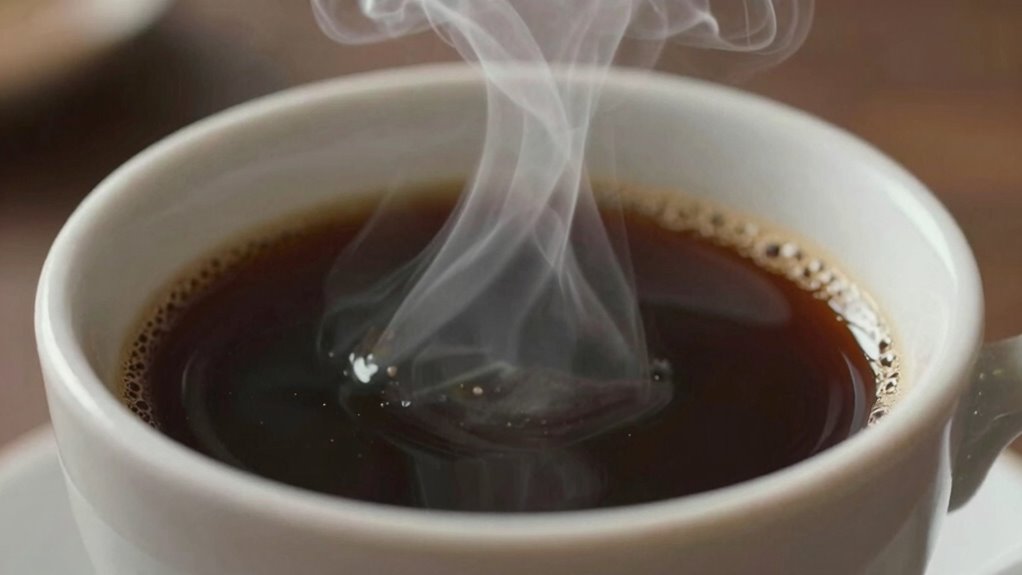
The aroma of coffee plays a essential role in shaping its overall flavor, often influencing your perception before you even take a sip. When you smell a freshly brewed cup, your mind begins to anticipate the taste, setting expectations based on the scent’s nuances. This initial olfactory impression is shaped long before the coffee reaches your lips, starting with the coffee bean harvest. The way beans are picked, processed, and stored impacts the aroma you experience. Beans harvested at peak ripeness carry more vibrant, complex scents, which translate into a richer flavor profile. If beans are under- or overripe, their aroma might be muted or off-putting, influencing how you perceive the brew’s taste. Proper harvesting guarantees that the natural oils and compounds responsible for aroma are preserved, setting a solid foundation for flavor development.
Once the beans are harvested, roasting reveal their aromatic potential. But even before brewing, the aroma of the beans themselves hints at the flavor you can expect. When you grind the beans, you release a burst of fragrance that offers clues about the coffee’s body, acidity, and sweetness. This pre-brew aroma primes your senses, creating a mental map of what’s to come. The brewing process then amplifies and transforms these aromas, with brewing temperature playing a critical role. Brew too hot, and you risk extracting bitter, harsh notes; brew too cool, and the aroma remains subdued, resulting in a flat-tasting cup. The ideal temperature—usually between 195°F and 205°F—guarantees maximum extraction of volatile compounds, releasing the coffee’s complex aromatic layers. These layers influence the flavor perception, making your first sip more nuanced and enjoyable. Additionally, the preservation of natural oils and compounds during processing is crucial for maintaining the coffee’s aromatic integrity, which directly impacts flavor perception. The aromatic compounds released during roasting and brewing are vital in creating a multi-sensory experience that enhances the flavor profile. The careful control of brewing temperature is essential to unlock the full aromatic potential of the coffee. In fact, understanding how aroma development occurs throughout the process can help you better appreciate the intricate relationship between aroma and flavor. So, the journey from coffee bean harvest to brewing temperature is essential in developing the aroma you experience. It’s a chain of events that culminates in the first sip, where aroma and flavor intertwine. This interconnected process highlights why your initial impression, driven by aroma, holds such power in defining your overall coffee experience.

Aroma Housewares Mini Coffee Grinder and Electric Herb Grinder with 304 Stainless Steel Grinding Blades and a See-through Lid (40 g.), White, 40g
POWERFUL & FAST: Aroma’s electric coffee grinder packs a powerful punch in a compact design. Grind coffee beans,…
As an affiliate, we earn on qualifying purchases.
As an affiliate, we earn on qualifying purchases.
Frequently Asked Questions
How Does Coffee Roasting Influence Aroma and Flavor?
You can see that coffee roasting influences aroma and flavor through the roasting temperature, which develops the beans’ unique qualities. Higher temperatures bring out richer, more complex aromas, while lower temperatures preserve bright, fruity notes. Additionally, coffee bean genetics play a role by determining how beans respond to roasting, shaping the final flavor profile. So, your roasting process directly impacts what you smell and taste in each cup.
Can Aroma Alone Determine the Coffee’s Overall Quality?
Aroma alone can’t determine a coffee’s overall quality, but it heavily influences your sensory perception. The complexity of aroma reveals subtle nuances, giving you clues about freshness and roast level. While a rich aroma can excite your senses, tasting and mouthfeel complete the picture. Ultimately, both aroma and flavor work together to shape your overall experience, making aroma an important, yet not solitary, indicator of quality.
What Role Does Storage Play in Preserving Coffee Aroma?
You hold the key to preserving coffee’s vibrant aroma by choosing proper storage containers. When you store coffee correctly, it stays fresh longer, locking in those enticing scents that tease your senses. Poor storage exposes coffee to air, moisture, and light, quickly dulling its aroma and flavor. Keep your beans in airtight containers, away from sunlight, and in a cool place, so every cup delivers that fresh, inviting aroma you crave.
Are There Specific Aromas That Predict Better Taste?
Yes, certain aromas like fruity, floral, and spicy notes often predict better taste, as they contribute to flavor complexity and enhance aroma perception. When you notice these vibrant scents, it typically indicates a well-balanced, quality coffee. Your ability to pick up on these specific aromas helps you anticipate a richer, more enjoyable flavor experience before even taking the first sip, elevating your overall coffee appreciation.
How Does Brewing Method Affect Aroma and Flavor Release?
You might think brewing method doesn’t matter, but it actually has a big impact on aroma and flavor release. Different brewing techniques, like French press or drip, influence sensorical perception by extracting oils and aromas differently. For example, immersion methods tend to enhance body, while pour-over highlights bright, nuanced flavors. So, choosing your brewing method shapes not only aroma but also the overall taste experience, making each cup uniquely satisfying.
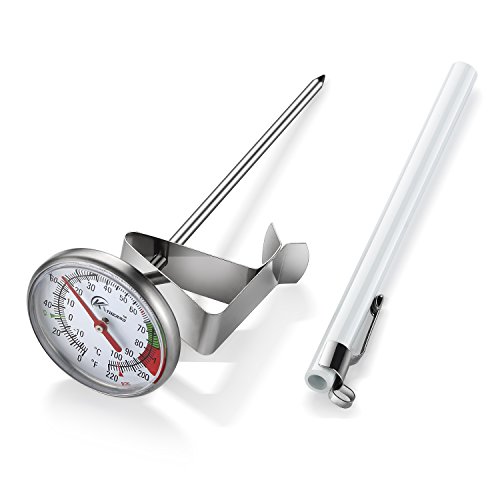
KT THERMO Instand Read 2-Inch Dial Thermometer,Best for The Coffee Drinks,Chocolate Milk Foam
DESIGN:Multi-stage design of the fixed clip, adjust the thermometer read the location of the disk surface to facilitate…
As an affiliate, we earn on qualifying purchases.
As an affiliate, we earn on qualifying purchases.
Conclusion
Next time you savor a cup of coffee, remember it’s more than just taste—your nose is leading the dance. Think of aroma as the opening act in a theater performance; it sets the scene and primes your senses for the main event. Just like a well-tuned orchestra, each scent note prepares you for the symphony of flavors to come, ensuring your first sip is a perfectly orchestrated experience. Your nose truly shapes your coffee journey.
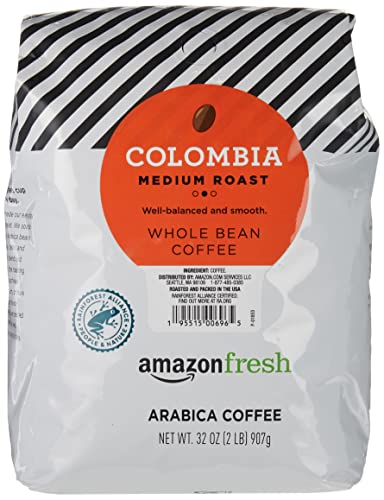
Amazon Fresh, Colombia Whole Bean Coffee Medium Roast, 32 Oz
Balanced, full-bodied medium roast with a smooth finish
As an affiliate, we earn on qualifying purchases.
As an affiliate, we earn on qualifying purchases.

INWICOPH Coffee Shop Fragrance Oil Set | Espresso, Mocha Coffee, Chocolate, Almond Biscotti, Roasted Hazelnut Candle Scents for Candle Making, Soap Making Supplies, Diffuser Oil Scents
【10 Must-have Coffee Shop Scents】This coffee fragrance oil set includes 10 must-have coffee shop fragrances such as espresso,…
As an affiliate, we earn on qualifying purchases.
As an affiliate, we earn on qualifying purchases.