

Coffee body refers to the physical sensation of weight and fullness you feel when you sip, giving you a sense of how thick or light the coffee is in your mouth. Full-bodied coffees feel rich and heavy, while light-bodied brews are thin and quick to leave your palate. This sensation influences how you experience flavor strength and mouthfeel. If you keep exploring, you’ll discover how physical qualities like oil content and solubility shape these sensations.
Key Takeaways
- Coffee body describes the physical sensation of weight and fullness in the mouth during each sip.
- Full-bodied coffee feels heavy and rich; light-bodied coffee feels thin and quick to leave the mouth.
- Oil content and solubility influence how thick or smooth the coffee feels physically.
- Body affects how certain flavors, like roasted or bright notes, are perceived and experienced.
- Recognizing physical qualities helps distinguish coffee traits without relying on vague flavor descriptions.

Coffee isn’t just a morning pick-me-up; it also has a profound impact on your body. When you take a sip, you’re experiencing more than just caffeine—you’re also engaging with its physical qualities, including its body. The term “body” refers to the overall sensation of weight and fullness that your palate perceives during each sip. It’s a critical element that influences how you experience the flavor profile and mouthfeel characteristics of your coffee. Instead of vague tasting language, think of body as the tangible weight or thickness that makes your coffee feel substantial or light in your mouth.
Understanding the coffee body helps you predict how a brew will feel without needing to rely on abstract descriptions. For example, a coffee with a full-bodied profile often feels rich, heavy, and lingering on your palate, similar to the sensation of drinking whole milk or cream. Conversely, a light-bodied coffee feels more like water—thin, clean, and quick to leave your mouth. This sensation is tied to the coffee’s physical properties, such as its solubility and oil content, which directly influence mouthfeel characteristics. When a coffee has a smooth, velvety mouthfeel, it usually indicates a balanced, well-rounded body. Recognizing how physical properties like oil content impact mouthfeel can deepen your understanding of coffee’s physical qualities.
Your experience of the flavor profile is closely linked to the body because it shapes how you perceive other flavors. A full-bodied coffee can amplify deep, roasted, or chocolatey notes, making them feel more prominent and satisfying. On the other hand, a lighter-bodied brew might highlight brighter, more acidic notes, creating a more refreshing and crisp sensation. The mouthfeel characteristics—whether creamy, watery, thin, or syrupy—serve as physical cues that support your overall impression of the coffee’s flavor complexity. Mouthfeel is an essential aspect that can greatly influence your overall perception and enjoyment of the brew. A deeper understanding of physical qualities, such as solubility, can help you identify what makes each coffee unique and tailor your choices accordingly. Additionally, being aware of brewing methods can influence how these physical qualities are expressed in your cup.

Chock Full o' Nuts New York Roast Ground Coffee – Premium Beans in Recyclable Steel Can – Rich Flavor & Aroma, Dark Roast – Perfect for Drip, Pour-Over, Percolator – 30.5 Oz Can
OUR STORY: Experience the rich heritage of Chock Full o' Nuts, trusted for nearly a century for delivering…
As an affiliate, we earn on qualifying purchases.
As an affiliate, we earn on qualifying purchases.
Frequently Asked Questions
How Is Coffee Body Measured Objectively?
You can measure coffee body objectively through physical tests like refractometry, which gauges dissolved solids, or via viscosity measurements that assess mouthfeel characteristics. These methods quantify flavor intensity and mouthfeel, providing consistent results. By analyzing parameters like total dissolved solids (TDS) or using specialized equipment, you obtain a clear, scientific understanding of the coffee’s body, removing subjective interpretations and ensuring precise evaluation.
Does Roast Level Affect Coffee Body Significantly?
Think of roast level as the key to revealing a coffee’s body. Darker roasts often deliver a fuller, thicker body, while lighter roasts tend to be lighter and more delicate. This is because roast characteristics influence the oil release and cell structure, affecting the overall flavor profile and mouthfeel. So yes, roast level greatly impacts coffee body, giving you a different experience with each brew based on how it’s roasted.
Can Brewing Method Alter the Perceived Coffee Body?
Yes, brewing techniques and extraction factors can alter how you perceive coffee body. Methods like French press or AeroPress tend to produce a fuller, thicker body because they allow more oils and solids to remain in the brew. Conversely, pour-over or drip brewing often result in a lighter body. Adjusting grind size, brew time, and water temperature influences extraction, which directly impacts the coffee’s perceived richness and mouthfeel.
How Does Coffee Body Relate to Caffeine Content?
Think of coffee body as the sturdy vessel carrying your caffeine boost. While it doesn’t directly influence caffeine content, a fuller body often hints at a richer flavor profile and more aroma intensity, making your experience more immersive. Higher caffeine levels can amplify the sensation’s strength, but the body shapes how that energy feels—smooth or bold—like a vessel that influences how the message is delivered to your senses.
Is Coffee Body Consistent Across Different Bean Varieties?
No, coffee body isn’t consistent across different bean varieties. You’ll notice that beans with a richer flavor complexity and a fuller aroma profile often have a heavier, more substantial body. Factors like origin, roast level, and processing methods influence this. So, when you switch between varieties, expect variations in body that reflect their unique flavor and aroma characteristics, giving each cup its own distinctive feel.

Amazon Fresh, Just Bright Ground Coffee, Light Roast, 12 Oz
Light roast with a crisp and clean flavor
As an affiliate, we earn on qualifying purchases.
As an affiliate, we earn on qualifying purchases.
Conclusion
Remember, you can’t judge a book by its cover, and the same goes for coffee. Understanding body helps you pick brews that truly satisfy your taste buds. Whether you prefer a light, delicate feel or a full, creamy richness, knowing what body means guides your choices. So, next time you sip, pay attention to that weight and texture—it’s your secret to discovering coffees that genuinely match your mood. After all, variety is the spice of life; enjoy every sip!
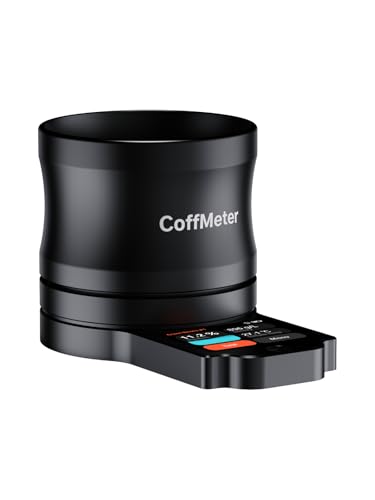
Coffee Moisture Tester for Moisture Content, Density, Sample Temperature, Patented Bean Distributor, HD Touchscreen, Portable, Real-Time Accuracy, for Professional Roasters & Coffee Enthusiasts
3-in-1: Designed for coffee professionals, the CoffMeter M1 coffee moisture meter integrates moisture content, density, and sample temperature…
As an affiliate, we earn on qualifying purchases.
As an affiliate, we earn on qualifying purchases.
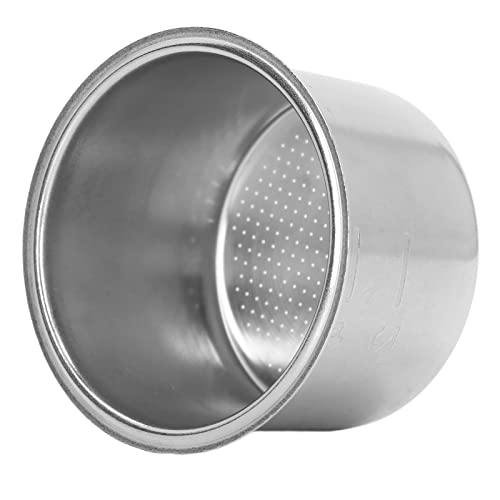
Zopsc Porous Filter Basket 4 Cup Stainless Steel Coffee Portafilter Filter Bowl, Coffee Machine Accessories for 51mm Handle Brewer
Premium Single Wall Construction for Rich Crema: Made from food grade stainless steel, this porous filter basket ensures…
As an affiliate, we earn on qualifying purchases.
As an affiliate, we earn on qualifying purchases.