Coffee tastes bitter mainly because of chemical compounds released during roasting and extraction. Factors like over-extracting during brewing, using too fine a grind, or brewing at too high a temperature can pull out these bitter compounds, especially caffeine and phenolics. Bean origin and roast level also play roles in natural bitterness. To enjoy a smoother cup, you need to control these variables. Keep exploring how different techniques influence flavor to improve your brew.

Get coffee and tea gear delivered free — and shop member deals
- Fast, free delivery on millions of items
- Access to Prime Big Deal Days deals on October 6–7
- Prime Video, Amazon Music and more included
Key Takeaways
- Over-extraction during brewing pulls out bitter compounds from coffee grounds.
- Fine grind size and prolonged brew time increase the extraction of bitter flavors.
- Dark roast levels develop more bitter compounds due to extended roasting.
- Chemical compounds like chlorogenic acids and caffeine contribute to coffee’s bitterness.
- Improper brewing temperature and water quality can enhance the perception of bitterness.
coffee grinder with adjustable grind size
As an affiliate, we earn on qualifying purchases.
As an affiliate, we earn on qualifying purchases.
Why Does My Coffee Taste Bitter?
If your coffee tastes bitter, several factors could be at play. One common cause is the coffee aroma, which can influence your perception of bitterness even before tasting. Strong or burnt aromas often signal over-roasted beans or improper brewing. Additionally, brewing techniques matter greatly; over-extraction during brewing can pull out bitter compounds, making your coffee taste harsh. Using too fine a grind or brewing for too long can lead to this over-extraction. Conversely, under-extraction can produce a flat or dull flavor, but it can also sometimes intensify bitterness if not balanced. Pay attention to your brewing process—adjust grind size, water temperature, and brewing time—to control the aroma and reduce unwanted bitterness. Proper technique guarantees a balanced, flavorful cup. Understanding brewing variables can help you refine your process and achieve a better-tasting coffee, especially by controlling factors like temperature and extraction. Additionally, being aware of how roast level impacts flavor can help prevent bitterness caused by overly dark roasts. Being mindful of freshness and how it influences flavor can also make a significant difference in avoiding bitterness.
coffee brewing temperature thermometer
As an affiliate, we earn on qualifying purchases.
As an affiliate, we earn on qualifying purchases.
What Chemical Compounds Cause Coffee Bitterness?
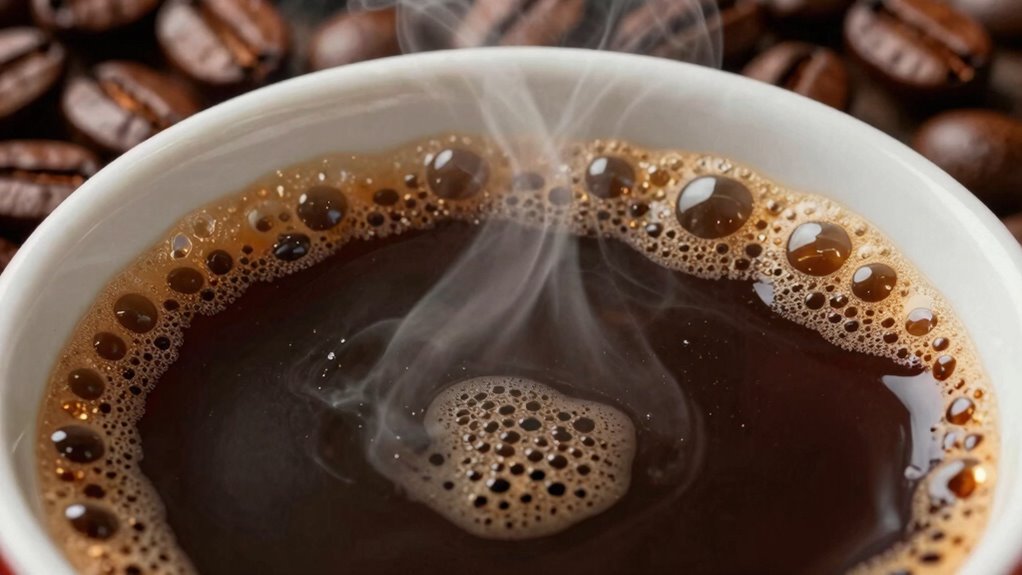
Several chemical compounds in coffee are responsible for its bitterness, primarily phenolic compounds and certain acids. Phenolic compounds, like chlorogenic acids, break down during roasting and release bitter-tasting molecules. Acids such as chlorogenic acid, quinic acid, and caffeine also contribute to bitterness, especially when their levels are high. To achieve a pleasing flavor pairing, balancing these compounds is essential—too much acidity can make coffee overly bitter, while too little dulls its complexity. The right acidity balance enhances the coffee’s overall flavor profile, making bitterness more subtle and enjoyable. Understanding these compounds helps you troubleshoot bitterness and select brewing methods that minimize harshness, creating a smoother, more harmonious cup. Additionally, roasting processes significantly influence the levels of phenolic compounds and acids, impacting the final taste. Variations in processing methods can also alter the chemical composition, further affecting bitterness. Being aware of how different brewing techniques interact with these compounds can help you customize your coffee experience.
As an affiliate, we earn on qualifying purchases.
How Bean Origin and Roast Level Affect Bitterness
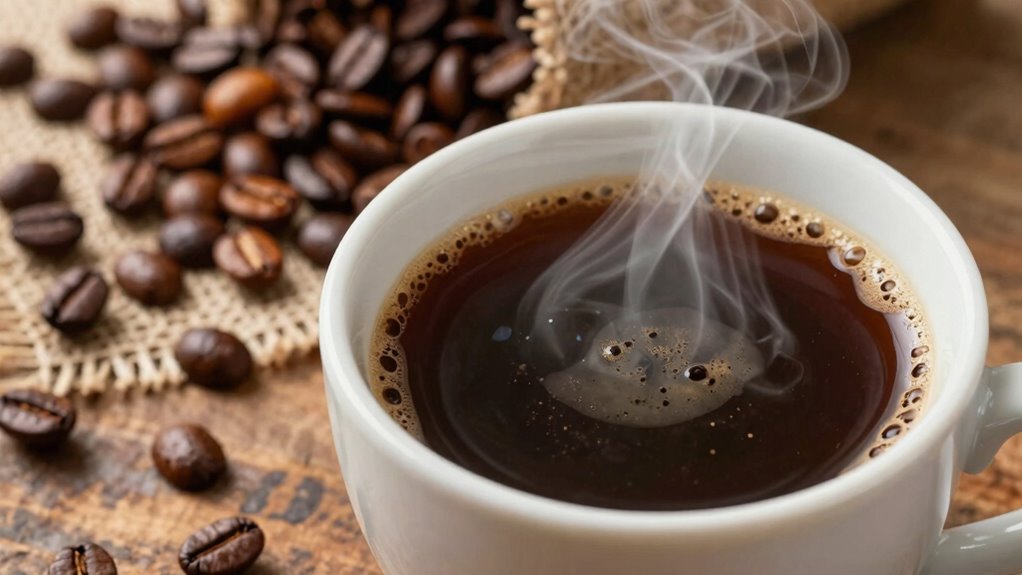
The origin of your coffee beans influences their natural flavor profile, which can affect how bitter the brew tastes. Similarly, the roast level plays a key role, with darker roasts often bringing out more bitter notes. Understanding these factors helps you choose beans and roasts that match your preferred flavor balance. Additionally, the bean origin can impact how the coffee interacts with your taste buds, further influencing bitterness levels. Recognizing the roast level is essential for tailoring your brew to reduce or enhance bitterness according to your preferences. Awareness of caffeine content can also be beneficial, as it may contribute to perceived bitterness in some coffees.
Bean Origin Flavors
Your experience of bitterness in coffee can often be traced back to the bean’s origin and how it’s roasted. Different regions produce beans with unique flavor profiles, influencing bitterness levels. For example, Central American beans tend to be bright and fruity, while African beans offer floral and citrus notes. Bean processing methods also play a role; washed beans often highlight clarity and acidity, reducing bitterness, whereas natural processing can add sweetness and body. These origin traits impact flavor pairing possibilities, shaping how you enjoy your coffee. Additionally, the processing method can further modify the perceived bitterness by affecting the bean’s chemical composition, which is also influenced by climate conditions during cultivation. Variations in soil quality can also have a significant impact on the flavor and bitterness of the beans.
Roast Level Impact
Roast level plays a crucial role in how bitter your coffee tastes, often amplifying or mellowing the inherent flavors from the bean’s origin. Dark roasts tend to develop a stronger, more pronounced bitterness due to the longer roasting process, which can also deepen the coffee’s aroma. Conversely, lighter roasts preserve more of the bean’s original flavors, resulting in a brighter, less bitter taste. Your brewing techniques can influence how these roast levels express their bitterness; for example, methods like espresso extraction may highlight bitterness in darker roasts, while pour-over can accentuate brightness in lighter roasts. Understanding how roast level impacts aroma and bitterness helps you choose beans and brewing styles that align with your taste preferences, balancing the desired flavor profile. Additionally, the bean origin can contribute subtle flavor nuances that interact with the roast level to influence bitterness. roast level also plays a significant role in the development of aroma compounds during the roasting process, which can further affect perceived bitterness.
As an affiliate, we earn on qualifying purchases.
How Grind Size and Water Temperature Impact Coffee Taste

Since grind size and water temperature directly influence how coffee extracts, adjusting these factors can considerably alter its bitterness. Fine grinds extract more quickly, increasing bitterness, especially if your grind consistency isn’t even. Water temperature affects extraction speed; hotter water pulls out bitter compounds faster. To optimize flavor, aim for a medium grind and water around 195-205°F. Keep in mind, water mineral content also plays a role, as hard water can enhance extraction of bitter compounds. Additionally, understanding coffee extraction can help you fine-tune these variables for a more balanced taste. Proper brewing techniques are essential for controlling bitterness and achieving the flavor profile you desire. Being aware of water temperature and its effect on extraction can help prevent over-extraction and bitterness in your brew. Adjusting grind consistency can further reduce unwanted bitterness by ensuring a uniform extraction process. Here’s a quick overview:
| Factor | Effect on Bitterness |
|---|---|
| Grind size | Finer grind increases bitterness |
| Water temperature | Higher temp boosts bitter compounds |
| Water mineral content | Hard water may intensify bitterness |
How Brew Time and Extraction Influence Bitterness
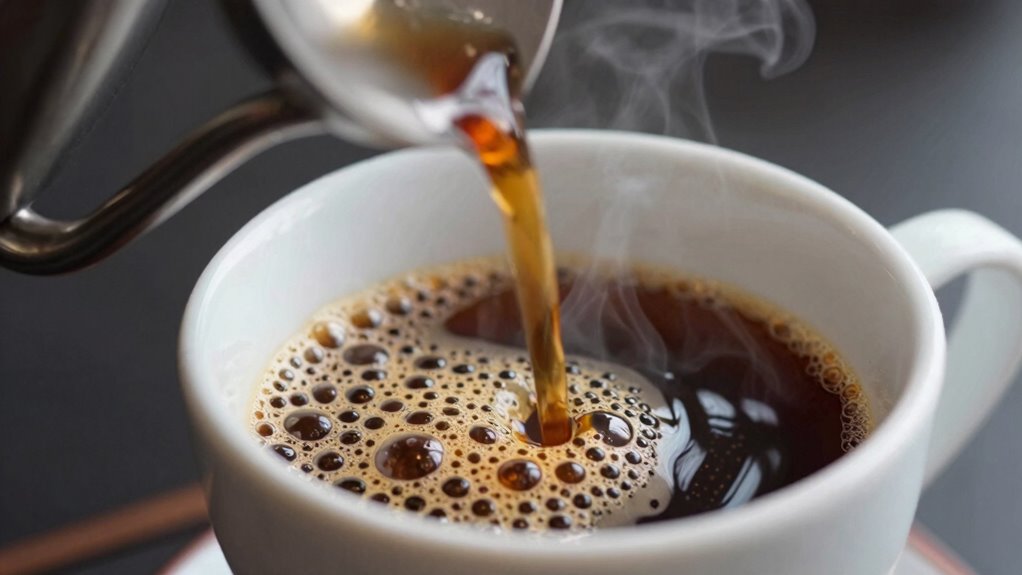
If you brew your coffee too long, it can lead to over-extraction, making the drink taste bitter and harsh. As extraction continues, more compounds are released, often resulting in undesirable flavors. Keeping an eye on brew time helps you avoid this pitfall and achieve a balanced cup. Understanding the scenic beauty of the region can also enhance your overall coffee experience by connecting it to the rich cultural landscape. Additionally, being aware of extraction science can help you fine-tune your brewing process for better flavor control. Recognizing the importance of beyond taste factors like temperature and grind size can further refine your method for optimal flavor. Paying attention to brew time and how it affects extraction allows you to better control the bitterness and overall profile of your coffee, especially when considering security strategies to protect your brewing equipment from potential vulnerabilities.
Extended Brew Time Effects
Extended brew times can substantially increase the likelihood of bitterness in your coffee because over-extraction pulls out compounds that taste bitter. When you brew too long, you’re extracting more than just the desirable flavors, leading to a harsh, astringent taste. This affects the overall flavor profiles, making your coffee seem dull or overly bitter rather than balanced. Using different brewing techniques, like pour-over or French press, can influence how long your coffee stays in contact with water, affecting extraction levels. If you extend brew time unnecessarily, you risk extracting undesirable compounds, which heightens bitterness. To avoid this, stick to recommended brewing times for your method and monitor extraction carefully, ensuring you preserve the intended flavor profiles without overdoing it.
Over-Extraction and Taste
When your coffee brews too long, it can lead to over-extraction, which considerably influences its taste by increasing bitterness. Over-extraction occurs when brewing techniques allow water to extract too many compounds from the coffee grounds, disrupting the intended flavor profile. This results in a bitter, harsh taste that masks the coffee’s natural flavors. To prevent this, adjust your brew time and use proper techniques, such as controlling water temperature and grind size. Shortening the brew time or using appropriate brewing methods helps guarantee you extract the desirable flavors without pulling out the bitter compounds. By mastering these techniques, you can enjoy a well-balanced coffee with a rich flavor profile, free from excessive bitterness caused by over-extraction.
Tips to Reduce or Enhance Coffee Bitterness
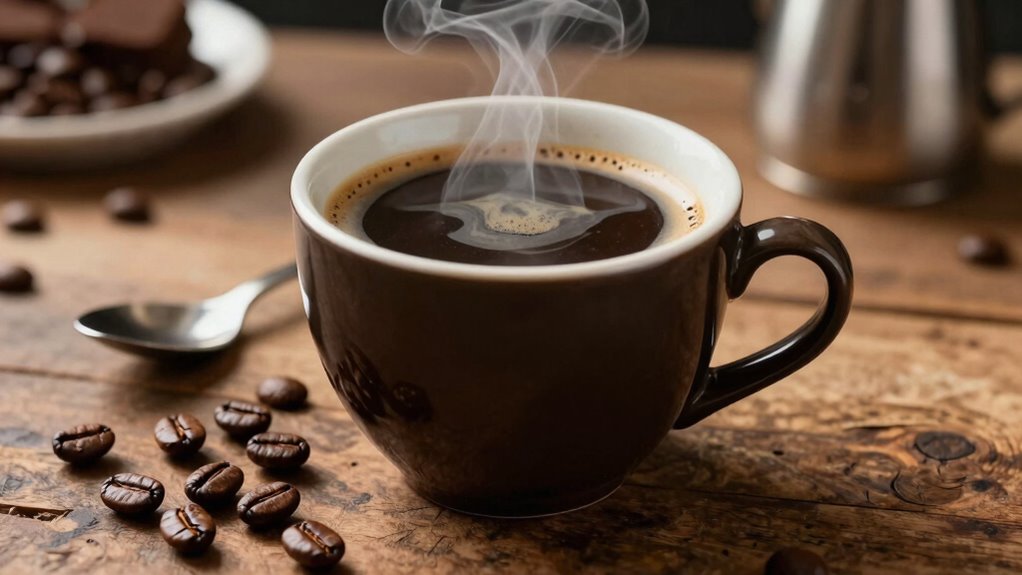
To adjust the bitterness of your coffee, start by tweaking your brewing process and ingredients. Using the right brewing techniques can make a significant difference. For example, avoiding over-extraction by adjusting grind size, water temperature, and brewing time helps reduce bitterness. Consider flavor pairing by adding a splash of milk, cream, or a touch of sugar to balance out bitter notes. Experiment with different brewing methods, like pour-over or AeroPress, to find which produces a smoother, less bitter cup. Additionally, using fresh, high-quality beans roasted for a flavor profile that’s naturally less bitter can enhance your experience. Small adjustments in your brewing setup and mindful ingredient choices allow you to control bitterness, making your coffee either more balanced or intentionally bolder.
Common Mistakes That Make Coffee Too Bitter: And How to Fix Them
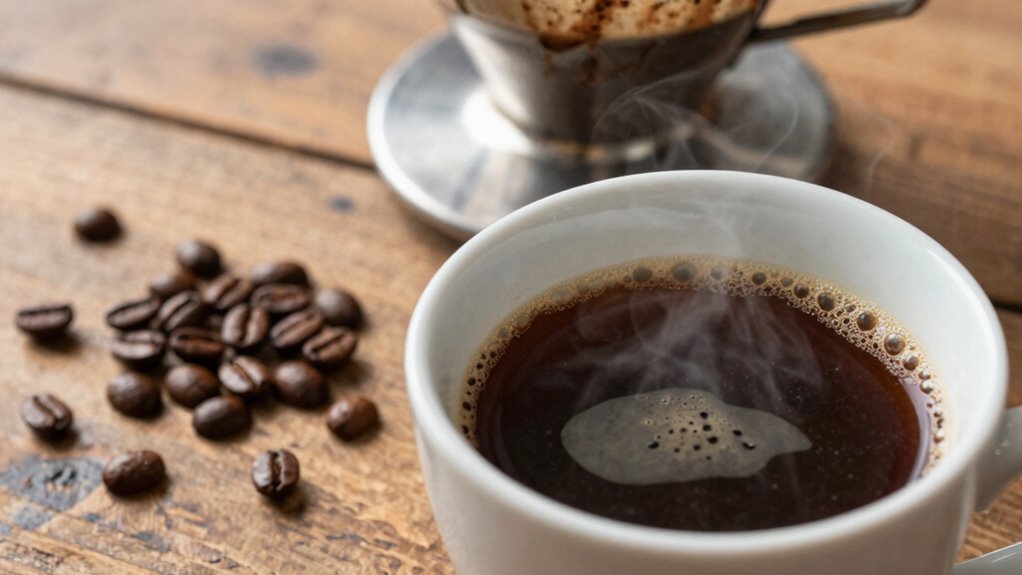
One common mistake that leads to overly bitter coffee is over-extracting the grounds during brewing. When you leave coffee in contact with water too long or use too fine a grind, you extract bitter compounds, making your brew harsh. To fix this, adjust your brewing techniques—shorten brew time or coarsen the grind. Additionally, poor flavor pairing choices can intensify bitterness; pairing strong, dark roasts with complementary sweet or fruity flavors can balance out the bitterness. Avoid over-extraction by paying attention to brewing parameters and experimenting with different techniques. Remember, a proper balance in flavor pairing and precise brewing methods help prevent bitterness from dominating your cup, ensuring a smoother, more enjoyable coffee experience.
Troubleshooting Persistent Coffee Bitterness
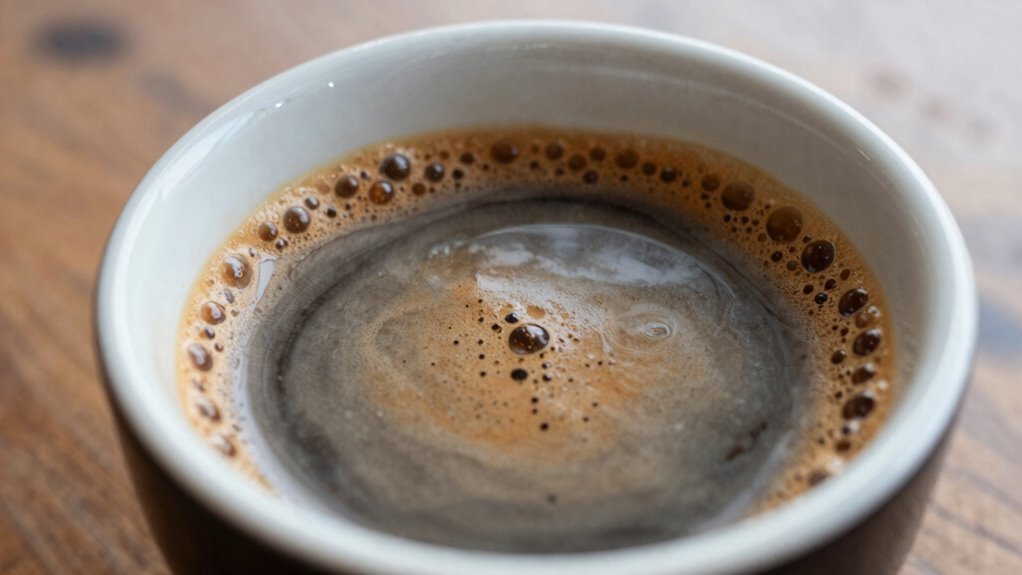
Even after adjusting your brewing techniques, some coffee can still taste persistently bitter. To troubleshoot this, start by checking your brewing temperature. Overly hot water extracts more bitter compounds, so aim for a temperature between 195°F to 205°F. Slightly lowering the temperature can reduce bitterness without sacrificing flavor. Next, consider your coffee’s acidity. Beans with high acidity levels can contribute to a sharper, more bitter taste if over-extracted. Use fresher beans and adjust your grind size to prevent over-extraction. Also, avoid brewing for too long, as extended contact times intensify bitterness. Finally, experiment with water-to-coffee ratios to find a balance that minimizes bitterness while highlighting acidity and flavor. Small adjustments make a significant difference in controlling persistent bitterness.
Frequently Asked Questions
Can Adding Milk or Sugar Reduce Coffee Bitterness?
Adding milk or sugar acts like a soothing balm, softening the harsh edges of bitterness in your coffee. These common additives enhance flavor by balancing acidity and bitterness, creating a more rounded taste. The additive effects help mellow the strong, astringent notes, making each sip more enjoyable. So, if your coffee’s too bitter, a splash of milk or a pinch of sugar can turn it into a comforting, flavorful experience.
How Does Storage Affect the Bitterness of Coffee Beans?
Storing your coffee beans properly keeps them fresh and reduces bitterness. When beans lose their Coffee freshness, they can develop off-flavors, including increased bitterness. Use an airtight Storage container away from light, heat, and moisture to preserve flavor. Avoid storing beans in the fridge or freezer long-term, as temperature fluctuations can cause condensation. Proper storage guarantees your coffee maintains its best flavor and minimizes unwanted bitterness.
Does Brewing Method Influence Perceived Coffee Bitterness?
Yes, your brewing method influences perceived coffee bitterness. Techniques like espresso or French press extract more flavor through higher brewing temperatures, which can enhance bitterness if not carefully managed. Conversely, methods with lower temperatures, like cold brew, often produce smoother, less bitter coffee. The key is how effectively your brewing method handles flavor extraction—controlling temperature ensures a balanced, flavorful cup without excessive bitterness.
Are Decaffeinated Coffees Generally More Bitter?
Decaffeinated coffees are often more bitter, mainly due to processing methods that can alter flavor balance. Notably, some studies show decaf can be up to 30% more bitter than regular coffee. This bitterness stems from reduced bean freshness and the removal process, which can strip away subtle flavors. To enjoy a smoother cup, choose fresh beans and consider brewing techniques that preserve delicate tastes, balancing out any inherent bitterness.
Can Altitude Impact the Bitterness of Coffee Beans?
Altitude effects can influence the bitterness of coffee beans because higher elevations often lead to slower bean maturation, allowing more complex flavors to develop. When beans mature fully at high altitudes, they tend to produce a brighter, more balanced taste with less bitterness. Conversely, lower altitudes may result in less mature beans, which can be more bitter. So, altitude plays a key role in shaping your coffee’s flavor profile by affecting bean maturity.
Conclusion
Think of brewing coffee like tuning a guitar—you need the right strings, tension, and timing to get the perfect sound. If your coffee’s bitter, it’s like hitting a sour note. By understanding the factors that influence bitterness, you can adjust your methods to create a harmonious brew. So, next time your coffee’s off-key, remember: small tweaks can turn that sour note into a smooth, delightful melody. Cheers to your perfect cup!
Fall Picks
fall essentials
As an affiliate, we earn on qualifying purchases.