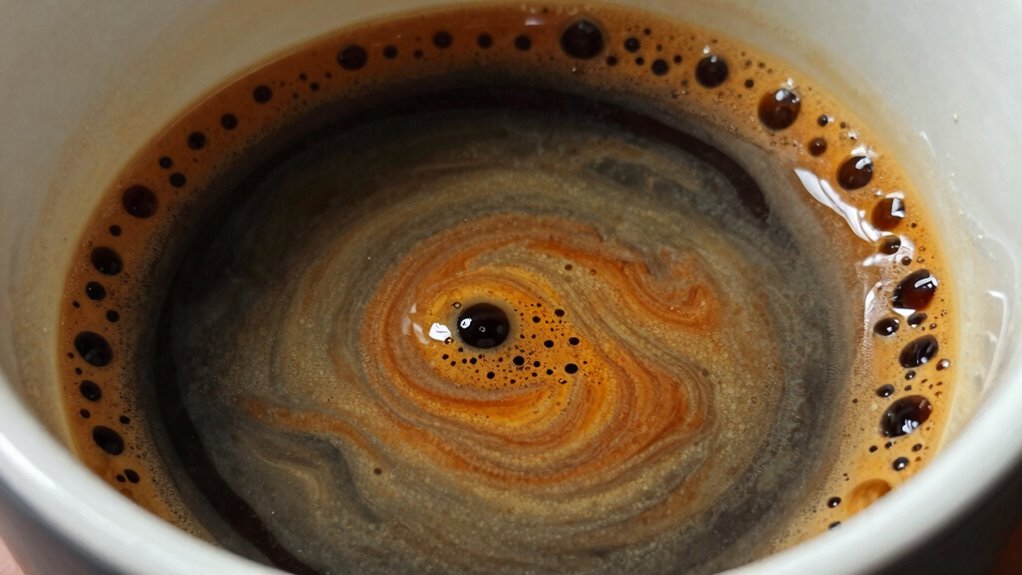

When your coffee is overextracted, you might notice a bitter, harsh, and overly astringent flavor dominating the cup. This masks the delicate regional and origin-specific nuances that make each coffee unique. Overextraction pulls out undesirable compounds along with the good ones, making it hard to enjoy the coffee’s natural brightness and complexity. If you want to understand how to avoid this and reveal the full flavor potential, explore further to learn more about controlling brewing variables.

Get coffee and tea gear delivered free with Prime
- Fast, free delivery on millions of items
- Prime Video, Amazon Music and more included
- Member-only deals all year
Key Takeaways
- Overextraction produces bitter, harsh flavors that mask the coffee’s natural, nuanced profiles.
- Excessive extraction extracts undesirable compounds, overshadowing regional flavor differences.
- Higher brewing temperatures and prolonged extraction times increase the risk of overextraction.
- Controlling variables like grind size, temperature, and time helps prevent overextraction and preserves subtle notes.
- Recognizing taste patterns associated with overextraction allows brewers to adjust for a balanced, flavorful cup.
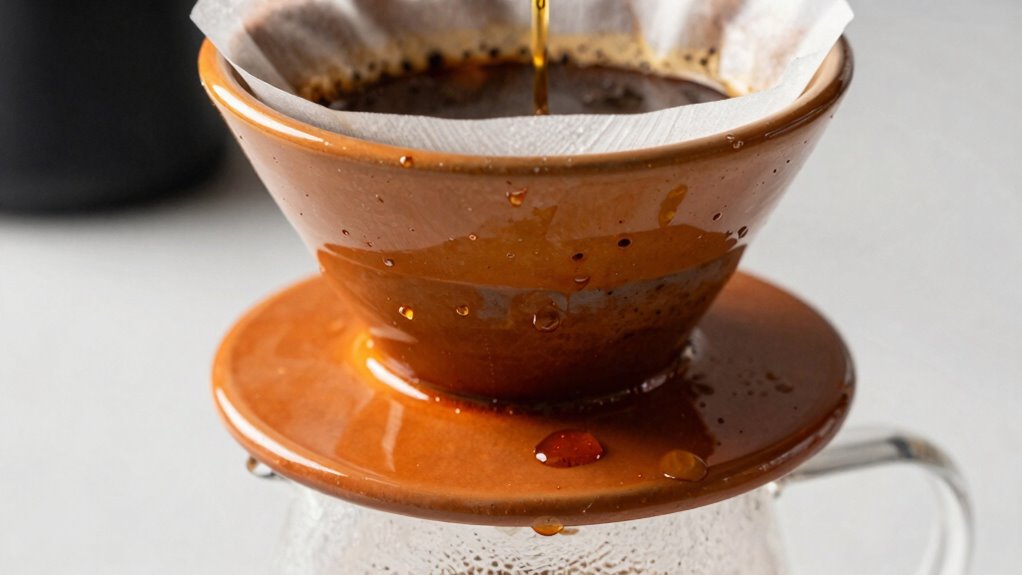
When coffee is overextracted, it can taste bitter, harsh, and overly astringent, often overshadowing the coffee’s natural flavors. This happens when water extracts too many compounds from the coffee grounds, pulling out undesirable elements alongside the desirable ones. One crucial factor that influences overextraction is the coffee bean origin. Different regions produce beans with unique profiles—some are naturally sweeter and more balanced, while others have complex, nuanced flavors that can become overpowering if overextracted. For instance, beans from Ethiopia often have bright, fruity notes that can turn bitter if overextracted, whereas South American beans tend to be milder but still susceptible to harshness if brewed improperly.
Overextraction causes bitterness, overshadowing unique regional coffee flavors like fruity Ethiopian or mild South American profiles.
Another key element is brewing temperature. When you use water that’s too hot—usually above 205°F or 96°C—you risk extracting too many bitter compounds from the beans. Conversely, water that’s too cool may result in underextraction, leaving the coffee flat or sour. Striking the right balance is essential; the optimal brewing temperature ensures that you extract the coffee’s best flavors without crossing into overextraction territory. If you notice bitterness or a harsh, astringent taste, it might be because your brewing temperature was too high or because your extraction time was too long. Temperature control**** plays a vital role in preventing overextraction and highlighting the coffee’s delicate nuances.
Paying attention to the origin of your coffee beans helps you understand what flavor profile to expect and how to adjust your brewing process accordingly. Beans from different regions respond differently to brewing variables. For example, beans from Central America tend to have a bright, clean flavor that can be easily overextracted if you’re not careful with your brewing temperature and time. Meanwhile, beans from Africa often have vibrant, fruity notes that can become overly bitter when overextracted. When you know where your beans originate, you can tailor your brewing process—adjusting temperature, grind size, and extraction time—to minimize overextraction and highlight their best qualities. Additionally, understanding brew ratio is essential for controlling extraction and achieving the desired flavor balance. Recognizing the impact of temperature and how it influences extraction helps ensure you don’t unintentionally overpower the delicate nuances of your coffee.
In essence, understanding the subtle interplay between coffee bean origin and brewing temperature helps you recognize the flavor pattern most drinkers miss. Overextracted coffee isn’t just about bitterness; it’s about losing the nuanced complexity that makes each coffee unique. When you control these variables, you avoid harsh, overpowering flavors and allow the natural, vibrant notes of the coffee to shine through. It’s about precision and awareness—two tools that help you craft a well-balanced cup that truly showcases the character of your beans, without the bitterness that signals overextraction. Recognizing the importance of brewing variables is key to mastering the art of coffee brewing and extracting the best flavors from your beans.
coffee grinder for consistent grind size
As an affiliate, we earn on qualifying purchases.
As an affiliate, we earn on qualifying purchases.
Frequently Asked Questions
How Can I Prevent Overextraction During Brewing?
To prevent overextraction, you should adjust your grind size and control your brew time. Use a coarser grind to slow extraction, and keep your brew time shorter to avoid extracting too many bitter compounds. Experiment with these adjustments until your coffee tastes balanced and rich, not bitter or harsh. Monitoring these variables helps you craft a smoother cup and prevents the overextraction that dulls flavor.
Does Overextraction Affect All Coffee Beans Equally?
Overextraction doesn’t hit all coffee beans equally; it’s like a symphony where some instruments dominate. Coffee bean varietals and roasting levels play big roles—light roasts and delicate beans are more sensitive, revealing overextraction faster. Dark roasts can mask it, while certain varietals may show bitterness more clearly. So, pay attention to your beans’ unique traits, adjusting grind size and brewing time to prevent overextraction and enjoy balanced flavor.
Can Overextracted Coffee Be Salvaged or Improved?
Yes, you can salvage overextracted coffee by adjusting your brewing process to improve flavor balance and aroma enhancement. Try diluting the coffee with hot water or adding milk or a sweetener to mask harsh tastes. Using fresh, high-quality beans and controlling extraction time can prevent overextraction next time. These steps help you enjoy a better balance of flavors, making your coffee more enjoyable and aromatic.
How Does Overextraction Influence Coffee’s Acidity Levels?
Overextraction increases acidity perception in your coffee, often leading to a sharp, sour taste that causes flavor imbalance. When you overbrew, the acids become more prominent, making the coffee seem more acidic than it actually is. To balance this, you should adjust your brewing time and grind size, reducing extraction to mellow the acidity and restore a more harmonious flavor profile.
Are Certain Brewing Methods More Prone to Overextraction?
You’ll find that pour-over and French press methods are more prone to overextraction because they often involve longer brew times, especially if grind size and brew temperature aren’t adjusted properly. Studies show that using a fine grind or high brew temperature increases extraction, leading to bitter flavors. To prevent overextraction, keep grind size coarser and brew temperature moderate, ensuring balanced, flavorful coffee.
As an affiliate, we earn on qualifying purchases.
Conclusion
Think of each sip as a journey through a tangled forest; overextraction is the thicket that hides the true flavor. When you pull too hard, you lose the delicate blossoms of aroma and taste, leaving behind a bitter echo. But with mindful extraction, you navigate clear paths, revealing the hidden sweetness and complexity. Remember, the true essence of your coffee is a treasure buried deep—sometimes, less is more, guiding you to the heart of the brew.
As an affiliate, we earn on qualifying purchases.
As an affiliate, we earn on qualifying purchases.
Fall Picks
fall essentials
As an affiliate, we earn on qualifying purchases.