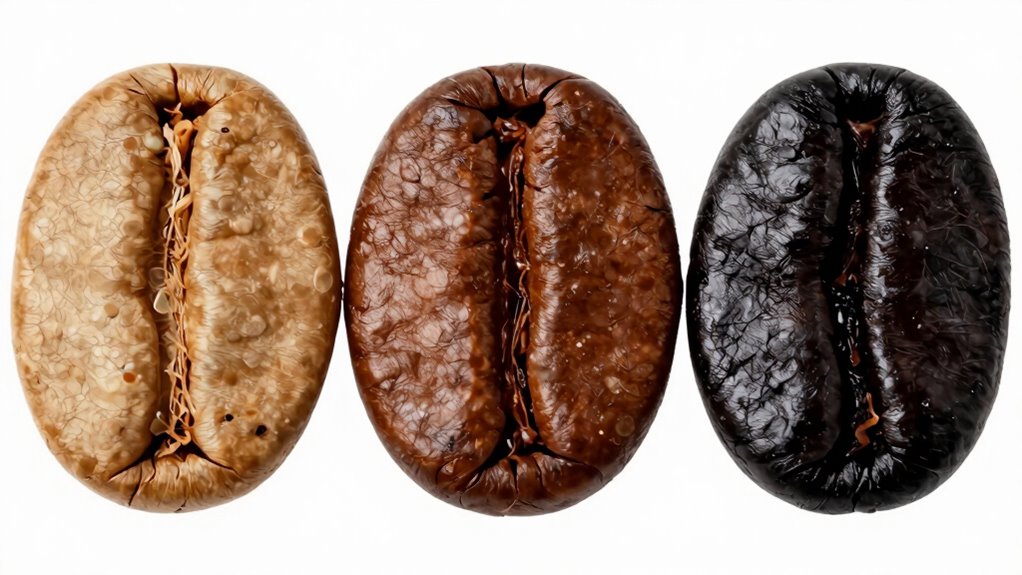

Understanding coffee roast levels helps you choose brews that match your flavor preferences. Light roasts preserve bright, fruity, and floral notes from the origin, making them lively and aromatic. Medium roasts balance acidity with richer flavors, while dark roasts emphasize bold, smoky, and roasted qualities with smoother brightness. Your choice affects aroma, body, and caffeine. To explore how each roast can enhance your coffee experience, keep exploring for more details.

Get coffee and tea gear delivered free — and shop member deals
- Fast, free delivery on millions of items
- Access to Prime Big Deal Days deals on October 6–7
- Prime Video, Amazon Music and more included
Key Takeaways
- Light roasts preserve the beans’ original flavors, highlighting bright, fruity, and acidic notes.
- Medium roasts balance acidity and complexity, offering richer, more developed flavors.
- Dark roasts emphasize roasted, smoky, and bitter flavors, with reduced brightness and acidity.
- Roast level influences the flavor development stages, from Maillard reactions to caramelization, shaping overall taste.
- Proper storage and brewing methods vary by roast to best showcase their unique flavor profiles.
As an affiliate, we earn on qualifying purchases.
What Do Coffee Roast Levels Really Mean?
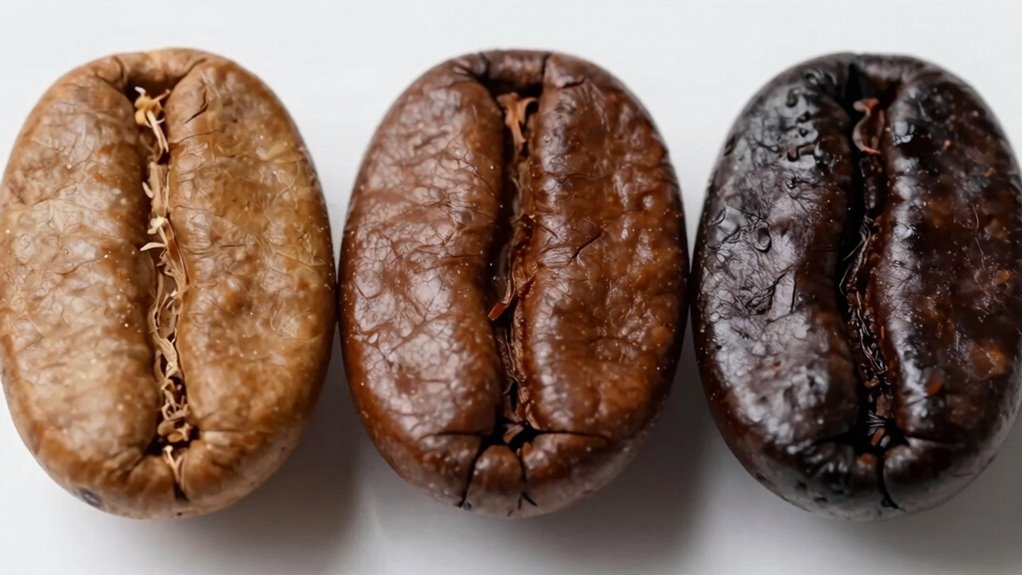
Understanding coffee roast levels is vital because they directly influence the flavor, aroma, and body of your brew. When exploring roast levels, consider how coffee bean storage impacts freshness and flavor preservation—storing beans in an airtight container away from light helps maintain quality. Additionally, comparing roasting equipment is essential; home roasters versus professional machines can produce different results, affecting the roast’s consistency. Roast level also affects how the beans develop their unique flavor profiles during the roasting process, which can vary based on equipment and technique. Lighter roasts highlight the beans’ original qualities, while darker roasts develop bolder, more intense flavors. Knowing what these roast levels mean helps you choose the right beans and equipment to customize your coffee experience. Ultimately, understanding these factors guarantees you get the most out of each roast, whether you prefer a bright, acidic cup or a rich, smoky brew. Recognizing the different roast levels can also help you better understand the roasting process and its impact on flavor development. Additionally, the degree of roast influences how the beans break down during roasting, shaping the final taste profile. A thorough grasp of coffee bean chemistry can further enhance your ability to select and craft your ideal coffee. Moreover, understanding how bean origin interacts with roast levels can reveal even more about the resulting flavor nuances.
As an affiliate, we earn on qualifying purchases.
How Roast Levels Affect Coffee Flavor and Brightness
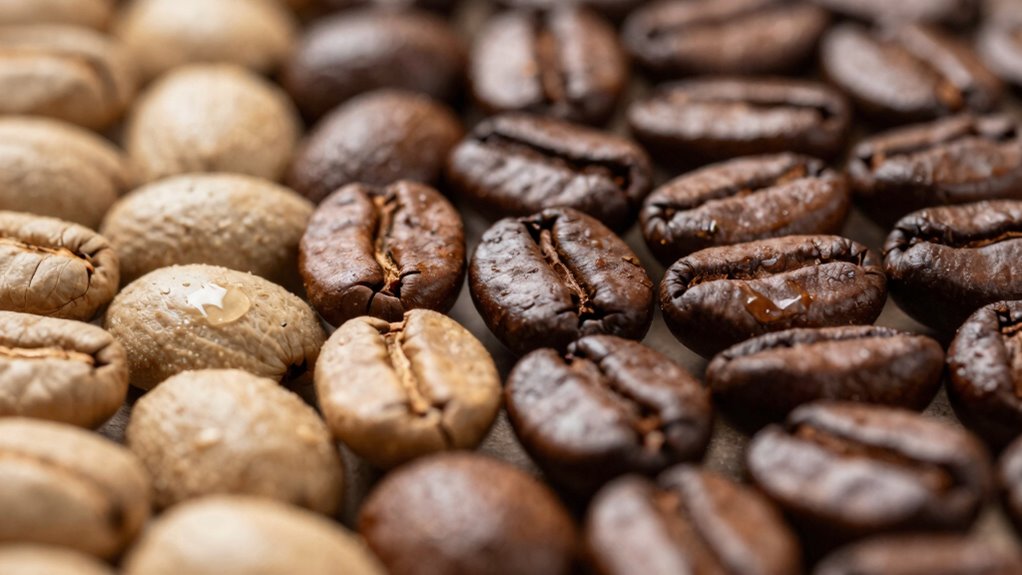
As you choose different roast levels, you’ll notice changes in brightness and acidity, with lighter roasts highlighting vibrant, tangy flavors. The roast impacts flavor development stages, shaping the coffee’s complexity and depth. By understanding how these levels influence taste, you can better select a roast that matches your preferred flavor profile. Exploring different roast levels can also enhance your appreciation for the flavor development process, and how it varies across coffee varieties. Additionally, recognizing how roast levels affect brightness and acidity can help you identify the nuances that make each coffee unique. Gaining insight into the roasting process can further deepen your understanding of coffee flavor profiles and their origins, enriching your overall coffee experience. Understanding these factors can also improve your ability to pair coffee with foods, amplifying the enjoyment of your brew.
Brightness and Acidity Levels
Roast levels considerably influence a coffee’s brightness and acidity, shaping its overall flavor profile. Lighter roasts tend to preserve the natural acidity and vibrant brightness found in many coffee bean varieties, making their fruity and citrus notes stand out. As you move to medium roasts, some brightness diminishes, but a balanced acidity remains. Darker roasts generally reduce acidity, resulting in a smoother, more muted brightness, though they can develop roasted and smoky flavors. Keep in mind that roasting equipment differences also impact these qualities; precise heat control and roasting duration influence how much acidity is retained or mellowed. Understanding how roast levels interact with bean varieties and equipment helps you select brews that match your preferred brightness and acidity preferences. Additionally, roasting equipment plays a crucial role in controlling these flavor attributes, further shaping the final cup.
Flavor Development Stages
The flavor development of coffee during roasting occurs in distinct stages that considerably influence its brightness and overall taste. Initially, as the beans heat, they undergo Maillard reactions, developing complex flavors from the coffee’s processing method. Light roasts highlight the beans’ origin and preserve bright, fruity notes, emphasizing their processing. As roasting progresses, sugars caramelize, deepening flavors and adding sweetness. Darker stages bring about more roasted, smoky qualities, which can overshadow the bean’s original character. Sustainable roasting practices focus on controlling these stages to maximize flavor while minimizing energy use and waste. Understanding the flavor development stages allows roasters to fine-tune their process for optimal results. Additionally, recognizing how each stage impacts the chemical changes within the beans helps roasters tailor their techniques for desired flavor outcomes. Properly managing these development stages is essential for achieving consistent quality and flavor profile in the final brew, and mastering this process can significantly enhance the coffee’s aroma and taste. A thorough understanding of roast level impacts enables roasters to better predict the final flavor profile.
Roast Impact on Complexity
Different roast levels dramatically influence a coffee’s complexity and brightness, shaping your tasting experience. Lighter roasts tend to highlight unique flavors rooted in coffee bean genetics, offering bright, fruity, and floral notes. Medium roasts balance acidity and body, revealing a richer complexity. Dark roasts often emphasize smoky, roasted flavors, reducing brightness and highlighting boldness. The impact on complexity depends on factors like roasting equipment differences, which can produce more nuanced or uniform profiles. Visualize these effects:
- A light roast revealing intricate floral and citrus layers.
- A medium roast showcasing balanced acidity and caramel sweetness.
- A dark roast delivering deep, smoky, and bittersweet tones.
Your perception of flavor complexity varies with roast level, influenced by the bean’s genetics and the precision of your roasting process.
As an affiliate, we earn on qualifying purchases.
Dark Roasts: What Changes Do They Bring to Your Coffee?
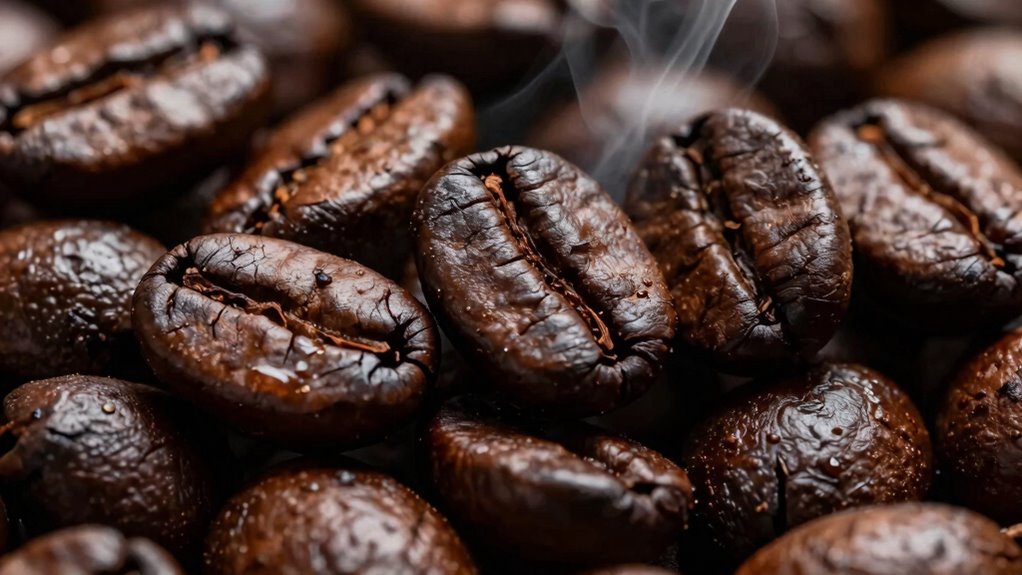
Dark roasts are known for their bold, smoky flavor and deep coloration, which considerably influence the taste profile of your coffee. When you opt for a dark roast, the roasting process involves high heat and longer roasting times, often using specialized roasting equipment. This process reduces the brightness of the beans and emphasizes rich, roasted flavors. Additionally, coffee bean aging impacts how the flavors develop during roasting, affecting the final profile. Dark roasts tend to have lower acidity and more pronounced bitter notes, highlighting the oils brought to the surface. Here’s a quick overview:
| Aspect | Impact on Flavor | Considerations |
|---|---|---|
| Roast Duration | Intensifies smoky, bitter notes | Longer roasting requires precise equipment |
| Coffee Bean Aging | Affects flavor development during roast | Freshness influences final taste |
| Roasting Equipment | Critical for achieving consistent dark roasts | Quality equipment ensures even roasting |
| Oil Surface | Prominent in dark roasts, adds richness | Visible oils indicate level of roast |
Furthermore, the roasting process plays a crucial role in developing the distinct characteristics associated with dark roasts. Proper control of temperature and time during roasting is essential to achieve the desired flavor profile and avoid over-roasting.
As an affiliate, we earn on qualifying purchases.
Light Roasts and Their Unique Notes From Origin
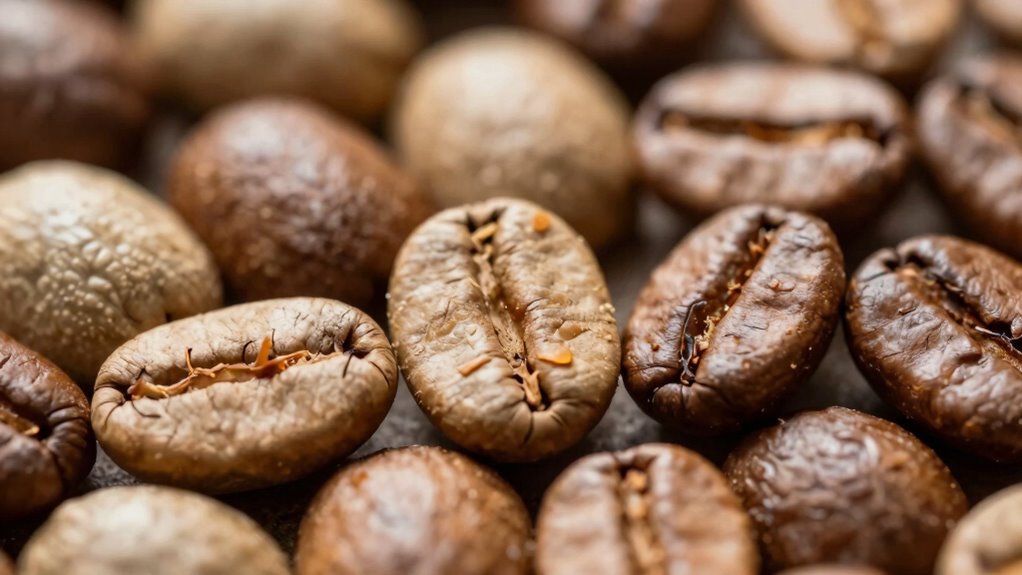
When you choose a light roast, you’re experiencing the coffee’s true origin-specific flavor profile. These roasts highlight brighter, more vibrant notes that reflect where the beans come from. As a result, you get a more aromatic cup that showcases the unique character of each region. Additionally, light roasts preserve more of the coffee’s natural flavor compounds, allowing you to savor the distinct qualities of each coffee’s origin. This preservation of original flavor characteristics helps ensure that you taste the coffee as it was meant to be enjoyed, with less influence from the roasting process. Recognizing the roasting level can also help you better appreciate the nuanced differences in flavor profiles. Understanding how different roast levels impact flavor can deepen your appreciation for coffee’s complexity and origin-specific qualities.
Origin-Specific Flavor Profiles
Light roasts often showcase the unique flavor nuances of their coffee’s origin, making them a favorite for those seeking a true taste of the bean’s birthplace. The coffee bean processing methods and the specific growing region influence these distinct profiles. When you brew a light roast, you’re likely to notice bright acidity and complex aromatics that highlight the origin’s character. For example:
- Bright citrus and berry notes from African beans.
- Floral and tea-like qualities in Latin American varieties.
- Herbal and fruity hints in Asian coffees.
These flavors are preserved due to minimal roasting, allowing the origin’s natural qualities to shine through. The brewing method also impacts how these nuances emerge, emphasizing the importance of gentle techniques like pour-over or AeroPress to maximize flavor clarity. Origin-specific flavor profiles play a key role in understanding these subtle differences and enhancing your overall coffee experience.
Brighter and More Aromatic
Because light roasts preserve more of the bean’s original qualities, they tend to be brighter and more aromatic than darker roasts. This brightness comes from the beans’ fresh, vibrant notes that highlight their specific origin. To maximize these flavors, use freshly roasted coffee beans, as freshness considerably impacts aroma. Brewing temperature also plays a role; a slightly lower temperature preserves delicate floral and fruity notes, enhancing the roast’s brightness. Light roasts often showcase unique notes from the origin, like citrus, berry, or floral hints, making each cup distinctive. Since they are less roasted, they retain more of the bean’s natural complexity, allowing you to experience the true character of the coffee’s origin through aroma and flavor.
How to Pick the Right Roast for Your Tastes and Brewing Style

Choosing the right coffee roast hinges on understanding your taste preferences and brewing methods. If you prefer a brighter, more aromatic cup, light roasts are ideal, especially for pour-over or drip brewing. For a bolder flavor and higher caffeine content, medium roasts work well with espresso or French press. Dark roasts suit those who enjoy a smoky, robust taste and often pair best with espresso machines or moka pots. To decide:
- Visualize the beans—lighter roasts are tan, darker roasts are shiny and oily.
- Think about your preferred flavor profile—bright and acidic or rich and bitter.
- Consider your brewing style—delicate pour-over or strong espresso.
Matching your roast to your brewing style enhances flavor and caffeine experience, ensuring every cup aligns with your tastes.
Common Myths About Roast Levels and Flavor

Many people believe that roast level directly determines the flavor of coffee, but this is a common misconception. Coffee myths often lead to oversimplified ideas, like assuming dark roasts are always bitter or light roasts are weak. Roast misconceptions can cause you to overlook the complex flavors within each roast level. In reality, flavor depends on multiple factors, including bean origin, processing, and brewing method. A dark roast isn’t necessarily more bitter or bold; it can have nuanced smoky or caramel notes. Similarly, lighter roasts can be vibrant and bright without sacrificing complexity. Understanding these coffee myths helps you appreciate the full spectrum of flavors, rather than relying solely on roast level as a flavor indicator.
How to Recognize Roast Levels When Shopping for Coffee
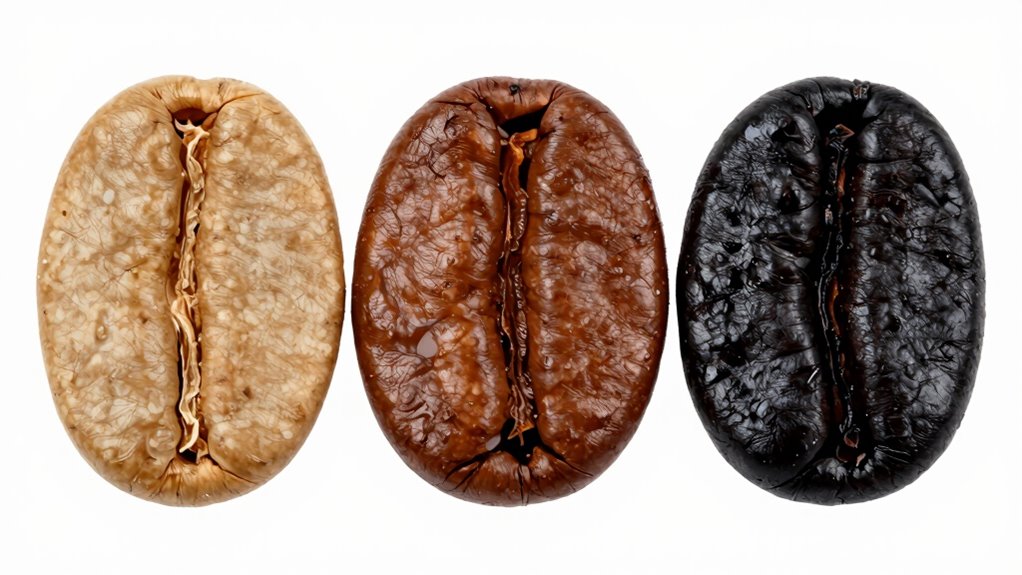
When shopping for coffee, recognizing roast levels by sight, smell, and color can help you select beans that match your flavor preferences. First, look at the beans’ color: light roasts are tan with a dry surface, while dark roasts are shiny and blackened. Second, smell the beans: light roasts have a fruity or floral aroma, whereas dark roasts emit a smoky, roasted scent. Third, consider the roast label—many roasters display roast levels explicitly. Proper coffee storage preserves these flavors, especially for lighter roasts that are more delicate. When brewing, adjust techniques like extraction time to highlight the roast’s characteristics. Recognizing these signs helps you choose beans suited for your preferred flavor profile and brewing style.
Frequently Asked Questions
Does a Darker Roast Mean Higher Caffeine Content?
A darker roast doesn’t necessarily mean higher caffeine content. In fact, lighter roasts often retain more caffeine because roasting reduces caffeine slightly. The flavor intensity in darker roasts is more pronounced, but bean origin plays a role too. You might notice a bolder taste with darker roasts, yet the caffeine level remains fairly similar across roast levels. So, if caffeine is your priority, choose based on bean origin, not roast darkness.
Can Roast Levels Influence Coffee Acidity?
You’ll find that roast levels substantially influence coffee acidity. Lighter roasts retain more of the coffee’s original flavor profiles, often resulting in brighter, more vibrant acidity. In contrast, darker roasts tend to mellow out acidity, creating a smoother taste. About 80% of coffee drinkers prefer a balanced acidity, making roast choice essential for achieving the desired flavor profile and acidity balance in your cup.
Are Specialty Coffees Only Available in Certain Roast Levels?
Specialty coffees aren’t limited to specific roast levels; you can find single origin beans in light, medium, or dark roasts. Your preferred flavor profile guides your choice—light roasts highlight fruity, floral notes, while dark roasts offer bold, smoky flavors. The key is exploring different roast levels to discover how they enhance the unique characteristics of each single origin bean, giving you a personalized coffee experience.
How Do Roast Levels Affect Brewing Methods?
Roast levels markedly impact brewing compatibility and flavor extraction. Light roasts preserve more delicate flavors and work well with pour-over and drip methods, which highlight subtle notes. Medium roasts balance acidity and body, suitable for most brewing styles. Dark roasts, with bolder flavors, excel in espresso and French press brewing, where their robust profile can be fully extracted. Adjust your brewing method based on roast level to optimize flavor extraction.
Do Roast Levels Impact Coffee Shelf Life?
You’ll find that darker roasts tend to have a shorter shelf life because their oils are more exposed, risking quicker spoilage. Light roasts stay fresher longer because they retain more of their original beans’ flavors and oils. To preserve coffee freshness, store your beans in an airtight container away from light and heat. Proper storage techniques help maintain flavor and extend shelf life, no matter the roast level.
Conclusion
As you explore different roast levels, you’ll notice how each one offers a unique flavor journey—like discovering a hidden garden at dawn or a cozy fireside in winter. Just as the first sip of a perfectly roasted brew can brighten your day, understanding roast levels helps you pick coffees that match your mood and taste. So, next time you reach for that bag, remember: your ideal cup is just a roast away.
Fall Picks
fall essentials
As an affiliate, we earn on qualifying purchases.