Coffee has become a lifestyle signal because it’s more than just a drink; it’s a way to express your identity, values, and creativity. With coffee shops as social hubs and social media trends shaping how you enjoy it, coffee now symbolizes community, craftsmanship, and mindfulness. Brands craft stories that align with personal style, making every cup an opportunity to showcase who you are. If you want to discover how this transformation happened, keep exploring.
Key Takeaways
- Coffee’s branding and storytelling transform it into a symbol of personal identity and lifestyle choices.
- Social media influencers and trends elevate coffee from a beverage to a visual and cultural lifestyle marker.
- Rituals and craftsmanship in brewing foster emotional connections, making coffee a reflection of individual values.
- Specialty coffee emphasizes origin, quality, and sustainability, aligning consumption with social and environmental consciousness.
- Coffee shops and communities serve as social hubs, reinforcing shared identity and cultural belonging around coffee culture.

Bodum 34oz Pour Over Coffee Maker, High-Heat Borosilicate Glass with Reusable Stainless Steel Filter and Cork Grip – Made in Portugal
Pour Over Coffee: Manual Pour Over Coffee Maker allows you to brew an excellent cup of Coffee in…
As an affiliate, we earn on qualifying purchases.
As an affiliate, we earn on qualifying purchases.
The History of Coffee as a Cultural Icon

Coffee’s journey from a simple beverage to a cultural icon is a story of global influence and social transformation. You’ve likely observed how coffee rituals vary around the world, symbolizing more than just a caffeine fix. In many cultures, pouring coffee is an art form that fosters connection and respect, reinforcing cultural symbolism. These rituals often mark important moments—morning routines, social gatherings, or business meetings—highlighting coffee’s role as a social connector. Over centuries, coffee’s significance has transcended its origins, becoming a symbol of hospitality, creativity, and community. Its cultural symbolism continues to evolve, shaping modern lifestyles while preserving its deep-rooted traditions. Coffee isn’t just a drink; it’s a reflection of shared values and social identity across the globe. The cultural symbolism of coffee has also been influenced by its role in shaping social behaviors and interactions throughout history, which can be seen in the diverse rituals and customs associated with coffee consumption worldwide. Additionally, historical influence has played a key role in cementing coffee as a fundamental element of social and cultural identity. Interestingly, the global spread of coffee has further reinforced its status as a universal symbol of community and connection. This widespread dissemination has also contributed to the economic impact that coffee has had on global trade and local economies.

CASABREWS CM5418 Espresso Machine 20 Bar, Compact Espresso Maker with Steam Milk Frother, Stainless Steel Coffee Machine with 34oz Removable Water Tank for Cappuccino, Small Latte Machine, Silver
Make Your Favorite Espresso Coffee At Home: The CASABREWS coffee machine with milk frother allows you to prepare…
As an affiliate, we earn on qualifying purchases.
As an affiliate, we earn on qualifying purchases.
How Coffee Shops Became Social Hubs
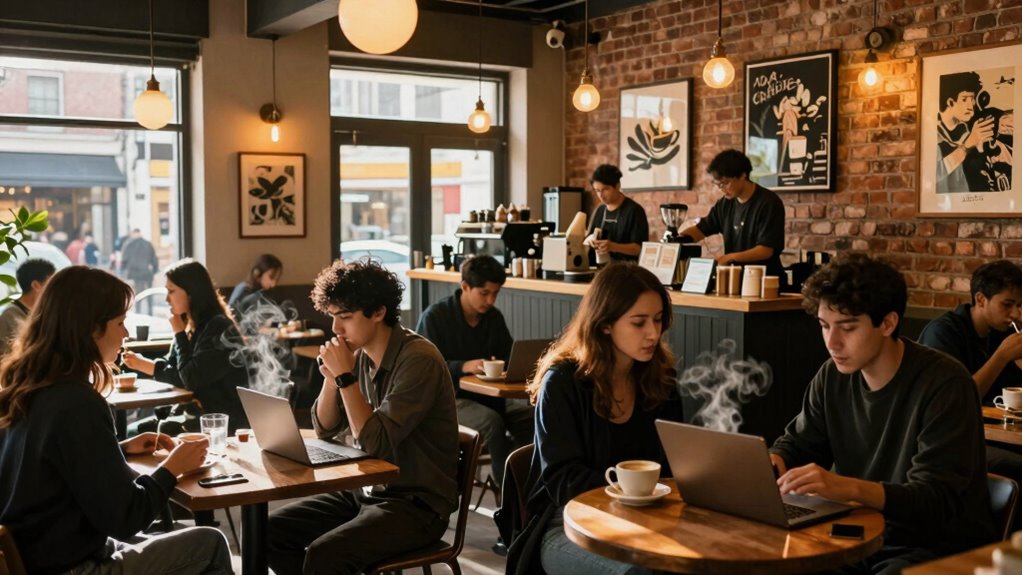
As coffee became more than just a daily stimulant, its role in fostering social interaction grew increasingly prominent. Coffee shops transformed into communal spaces where conversations flourish and ideas exchange. Brewing innovations like pour-over and espresso machines improved quality, attracting more patrons. These venues became hubs for work, relaxation, and connection. Coffee and health also played a part, as people sought healthier options like plant-based milk or organic beans. The ambiance, combined with the aroma of freshly brewed coffee, draws people in and encourages community building. Additionally, brewing innovations continue to elevate the coffee experience, making these social hubs more appealing. The rise of specialty coffee has further contributed to this shift, emphasizing quality and craftsmanship. Furthermore, the increasing awareness of biodiversity and sustainable practices in sourcing coffee has influenced consumer choices and community initiatives. Advances in coffee technology have also played a crucial role in making the coffee experience more accessible and engaging for diverse groups. The branding and design of coffee shops have also evolved, creating visually appealing environments that enhance the sense of community and identity. Here’s a quick look at how coffee shops evolved into social hubs:
| Factor | Impact | Example |
|---|---|---|
| Brewing innovations | Improved quality, variety | Espresso, cold brew |
| Coffee and health | Health-conscious choices | Organic, plant-based milk |
| Atmosphere | Creating inviting spaces | Cozy interiors, free Wi-Fi |
| Community events | Strengthening social ties | Open mic nights, meetups |
| Technological advances | Easier social connectivity | Mobile ordering, apps |

Stumptown Coffee Roasters, Medium Roast Organic Whole Bean Coffee, 100% Arabica Coffee – Holler Mountain 12 Ounce Bag with Flavor Notes of Citrus Zest, Caramel and Hazelnut
Contains one (1) 12 Ounce Bag of Stumptown Holler Mountain Organic Whole Bean Coffee
As an affiliate, we earn on qualifying purchases.
As an affiliate, we earn on qualifying purchases.
Building a Lifestyle Image Through Coffee Branding

Your brand’s visual identity and storytelling shape how people perceive your coffee as more than just a drink. Consistent visuals and authentic narratives help establish a clear lifestyle image that resonates with your audience. When you master these strategies, your coffee brand becomes a powerful symbol of the lifestyle you want to promote.
Visual Identity Consistency
Establishing visual identity consistency is essential for shaping a cohesive lifestyle image through coffee branding. Your color palette should evoke the emotions and personality you want your brand to convey, whether it’s warmth, sophistication, or energy. Consistent use of colors helps your audience instantly recognize and connect with your brand. Equally important is your logo design, which should be simple, memorable, and aligned with your overall visual style. A well-crafted logo acts as a visual anchor, reinforcing brand recognition across all touchpoints. When these elements work harmoniously, they create a unified and authentic look that reflects your brand’s values and lifestyle appeal. This consistency builds trust and encourages your audience to incorporate your coffee brand into their daily routines.
Brand Storytelling Strategies
Effective brand storytelling transforms your coffee brand into a lifestyle symbol that resonates deeply with your audience. By highlighting coffee rituals, you create a sense of familiarity and belonging, making your brand more relatable. Share stories about how your coffee fits into daily routines, special moments, or cultural traditions. This approach helps establish brand authenticity—showing that your brand genuinely understands and enhances consumers’ lifestyles. Use authentic narratives that reflect your values and connect emotionally. Incorporate real customer stories or behind-the-scenes glimpses to deepen trust. When your storytelling emphasizes genuine coffee rituals and aligns with your audience’s aspirations, you craft a compelling lifestyle image that goes beyond just a beverage. This strategy turns your coffee brand into an integral part of your customers’ identities.

SIMPLETASTE Milk Frother, 4 in 1 Electric Milk Steamer, 16.91oz/500ml Automatic Warm and Cold Foam Frother for Coffee, Latte, Macchiato, Cappuccino, Hot Chocolate, Easy to Clean
4-in-1 Electric Milk Frother: Easy to operate, one knob to switch between hot thick milk foam, hot thin…
As an affiliate, we earn on qualifying purchases.
As an affiliate, we earn on qualifying purchases.
Social Media and the Rise of Coffee Trends
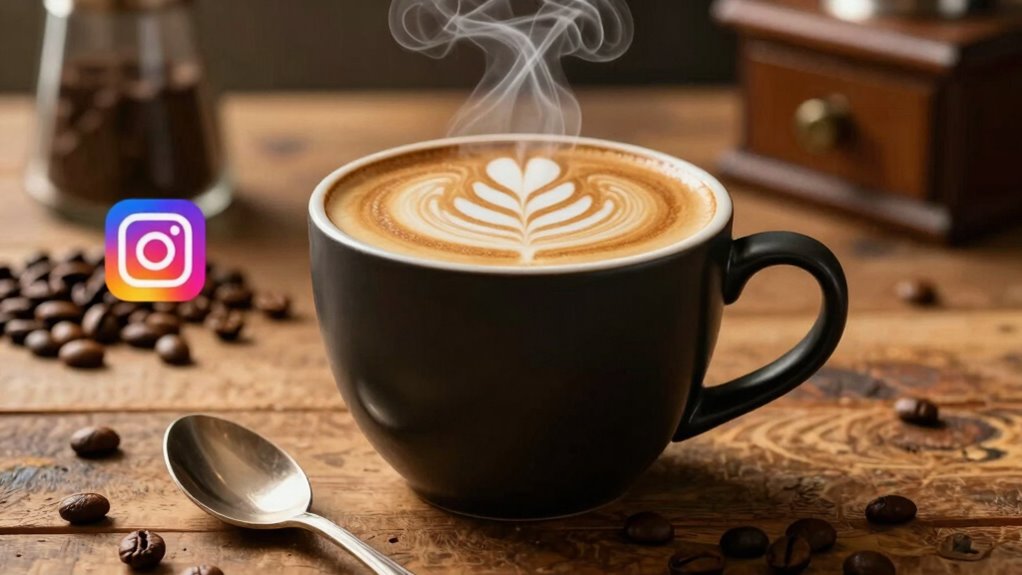
How has social media fueled the explosion of coffee trends? You probably notice how social media influencers share daily coffee rituals, turning simple routines into aspirational content. Platforms like Instagram and TikTok boost visibility for trendy beverages, brewing methods, and aesthetic cups that followers want to replicate. This digital exposure sparks a sense of community and shared identity around coffee culture. Influencers often introduce new trends, from latte art to specialty brews, making them accessible and desirable. As a result, your coffee choices become more than a beverage—they’re a lifestyle signal. The constant stream of visually appealing posts encourages you to elevate your coffee game, turning a daily habit into a fashionable expression of personality and social belonging. Additionally, the rise of coffee brewing techniques shared online helps enthusiasts refine their skills and discover innovative methods. This trend demonstrates how social media can transform a simple activity into a cultural phenomenon, further fueling the desire to participate and showcase one’s own coffee experience. Moreover, the visual appeal of coffee content plays a significant role in inspiring new trends and encouraging engagement among viewers. The popularity of coffeeporn on social media exemplifies how aesthetic presentation influences consumer preferences and social identity. The rise of influencer culture has also played a crucial role in popularizing specific coffee styles and accessories, making them highly sought after.
Why Specialty Coffee Appeals to Lifestyle Seekers

Because you’re increasingly seeking meaningful experiences, specialty coffee appeals to lifestyle seekers by offering more than just a caffeine fix. It transforms simple coffee rituals into intentional moments that reflect your values and personality. Specialty coffee brands emphasize quality, origin stories, and craftsmanship, making each cup a symbol of your unique taste and lifestyle. This focus on lifestyle branding creates a sense of identity, allowing you to showcase your appreciation for authenticity and artistry. Coffee rituals become personalized routines that foster mindfulness and connection. By choosing specialty coffee, you align yourself with a broader community that values sustainability, creativity, and self-expression. Moreover, the storytelling behind each brew’s origin and heritage helps deepen your appreciation and connection to the craft. Understanding coffee processing methods can enhance your enjoyment and appreciation of the nuances in each cup. Exploring the regional culture surrounding coffee production also enriches your overall experience. Incorporating sustainable practices into your coffee routine further aligns with your values and enhances your connection to the environment. Additionally, learning about coffee grading and quality standards can help you make more informed choices. Ultimately, it’s about turning everyday coffee moments into meaningful expressions of who you are.
Connecting Identity, Creativity, and Community With Coffee
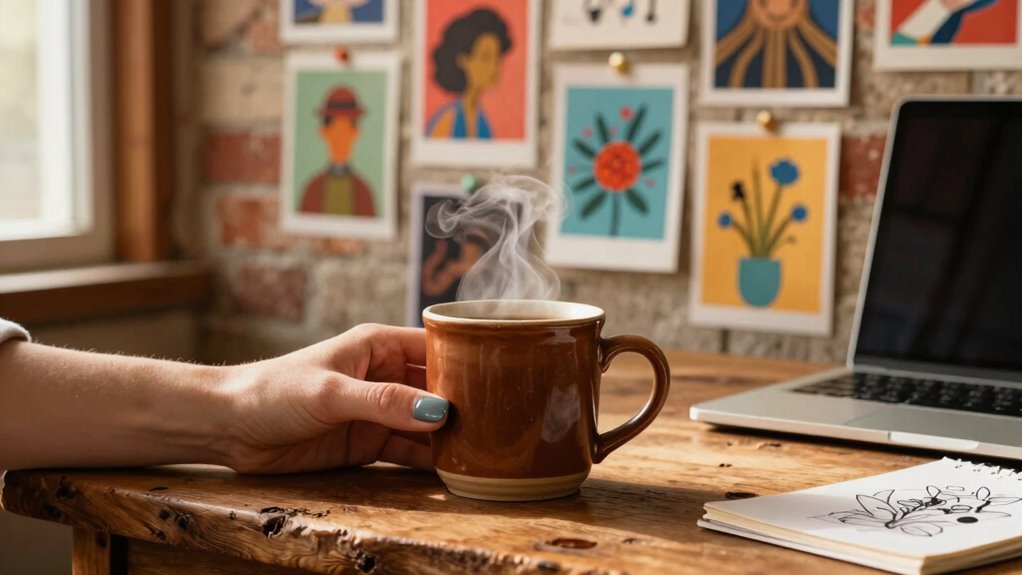
Your choice to embrace specialty coffee often reflects more than just personal taste; it signals your desire to connect with a community that shares your values and creativity. Coffee becomes a medium for artistic expression, allowing you to showcase your individuality through brewing styles or latte art. The sensory experience—aromas, flavors, and textures—fosters a deeper connection to your craft and surroundings. It’s not just about drinking coffee; it’s about engaging with a culture that values authenticity and innovation. This shared appreciation creates a sense of belonging, inspiring collaborations and conversations. Embracing coffee culture transforms coffee from a daily ritual into a powerful symbol of identity and community.
The Future of Coffee as a Symbol of Style and Values
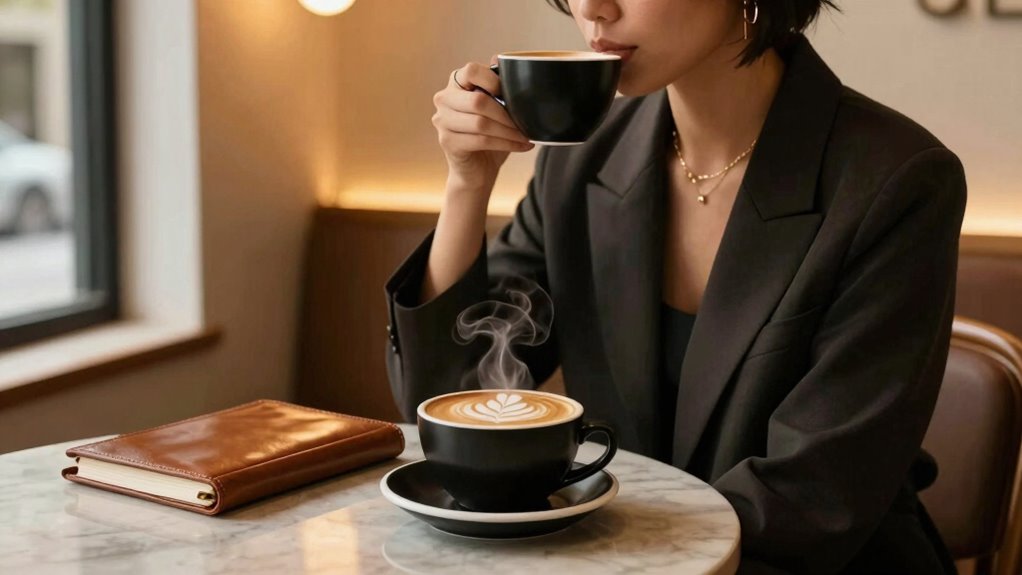
As coffee continues to evolve, it’s increasingly becoming a powerful symbol of personal style and core values. Consumers now prioritize sustainable sourcing, choosing brands that support ethical farming practices and environmental responsibility. This shift reflects a desire to align daily choices with broader values. Coffee rituals are also transforming, emphasizing mindfulness and intentionality—whether it’s slow brewing or savoring each sip. These rituals serve as expressions of identity, showcasing commitment to quality and sustainability. In the future, your coffee choices will likely communicate more than taste; they’ll signal your dedication to environmental stewardship and social responsibility. As a result, coffee isn’t just a beverage anymore—it’s a statement about who you are and what you stand for.
Frequently Asked Questions
How Does Coffee Influence Global Fashion and Design Trends?
You see coffee influence global fashion and design trends through coffee branding and fashion collaborations. Brands partner with designers to create stylish merchandise, turning coffee culture into a statement of identity. You notice coffee-inspired aesthetics in clothing and accessories, blending comfort with chic. These collaborations make coffee a symbol of lifestyle, inspiring designers and consumers alike to incorporate coffee’s warmth, earthy tones, and innovative branding into their fashion choices.
What Role Do Coffee Rituals Play in Personal Identity Formation?
You find that morning routines centered around coffee deeply shape your personal identity, giving you a sense of consistency and purpose. The ritual significance of brewing and savoring coffee becomes a daily affirmation of self-care and mindfulness. These rituals help you feel more grounded, confident, and connected to your habits, reinforcing who you are. Over time, your coffee rituals become an essential part of expressing your individuality and values.
How Do Different Cultures Perceive Coffee as a Lifestyle Choice?
You might find that in Italy, coffee symbolizes social connection, with nearly 90% of Italians enjoying espresso daily, emphasizing cultural rituals. In Ethiopia, coffee’s deeply rooted in tradition, symbolizing hospitality and community, while in Sweden, fika turns coffee into a daily ritual of relaxation and bonding. These perspectives show how different cultures perceive coffee as a lifestyle choice, shaping identities through unique coffee symbolism and rituals.
What Psychological Effects Does Coffee Have on Social Bonding?
You feel a boost in emotional connection and social cohesion when sharing coffee with others. It creates a warm, inviting atmosphere that encourages conversation and trust. The act of drinking coffee together stimulates positive emotions and fosters a sense of community. By participating in these shared experiences, you strengthen bonds, making social interactions more meaningful and enjoyable, ultimately deepening your relationships through the psychological effects of coffee.
How Sustainable Practices Impact Coffee’s Status as a Lifestyle Symbol?
Sustainable farming and ethical sourcing enhance coffee’s status as a lifestyle symbol by emphasizing quality and responsibility. When you choose brands committed to these practices, you support environmentally friendly methods and fair labor conditions. This alignment with values makes your coffee choice more meaningful, reinforcing its role as a symbol of conscious living. Your preferences drive industry change, showing that sustainability isn’t just a trend but a core part of modern coffee culture.
Conclusion
You might be surprised to learn that over 60% of coffee drinkers see their daily brew as a reflection of their personality and lifestyle. As you continue to explore coffee’s cultural role, remember that each cup isn’t just about taste—it’s about identity, community, and self-expression. Whether you’re snapping a trendy latte on social media or savoring a specialty roast, coffee remains a powerful symbol of style and values in your life.