

Resting coffee after roasting lets the beans stabilize and develop their full flavor and aroma. During this time, gases escape gradually, preventing off-flavors and ensuring a smoother brew. Proper resting enhances sweetness, balance, and complexity, while rushing or skipping it can result in sour or grassy flavors. Controlling the environment and waiting the right amount of time are key. If you want to discover how to get the most out of your coffee, keep exploring these tips.

Get coffee and tea gear delivered free — and shop member deals
- Fast, free delivery on millions of items
- Access to Prime Big Deal Days deals on October 6–7
- Prime Video, Amazon Music and more included
Key Takeaways
- Resting allows beans to stabilize, developing full flavor and aroma profiles.
- It facilitates gas release, preventing off-flavors and ensuring consistent extraction during brewing.
- Proper resting enhances sweetness, balance, and complexity in the final cup.
- Resting in optimal conditions prevents spoilage, mold, and flavor degradation.
- It helps achieve a stable, satisfying flavor profile by allowing volatile compounds to mellow.
As an affiliate, we earn on qualifying purchases.
Why Resting Coffee After Roasting Matters
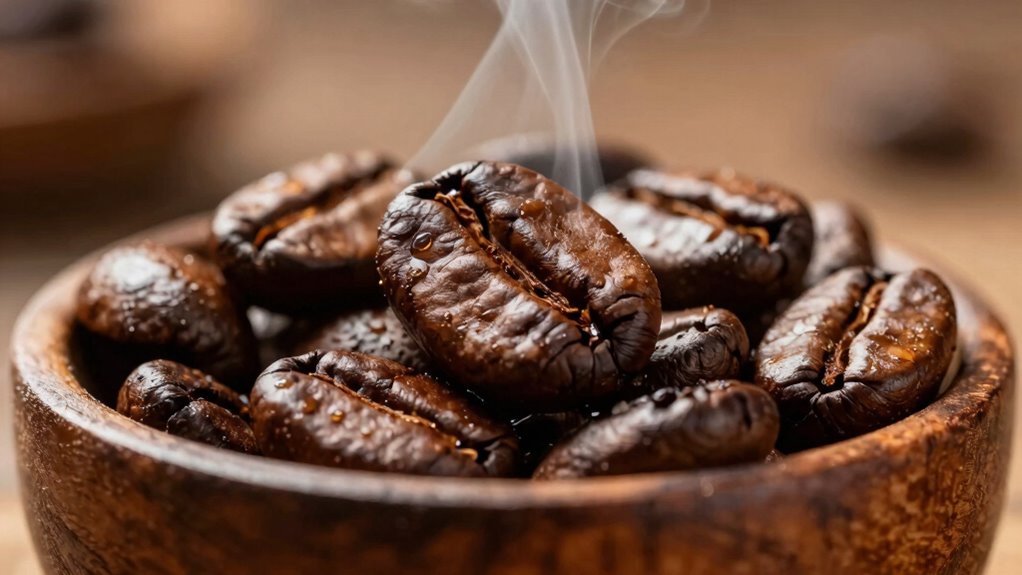
Resting coffee after roasting is essential because it allows the beans to stabilize and develop their full flavor potential. During coffee bean processing, freshly roasted beans release gases that can affect taste and brewing consistency. Resting helps these gases escape gradually, preventing sour or off-flavors. This period also makes it easier for you to make grinder adjustments, as the beans become more uniform and predictable in grind size. When you grind freshly roasted beans immediately, they can produce inconsistent extraction due to uneven particle size and residual gas. By resting the beans, you guarantee a more stable grind, which leads to better extraction and a richer flavor profile. Additionally, proper resting allows the coffee to reach its optimal degassing level, resulting in a more balanced and satisfying cup every time. Understanding the degassing process is key to timing your brew for peak flavor. Allowing the beans to release built-up gases enhances the overall flavor clarity and aroma, making your coffee experience more enjoyable. Proper resting also helps improve the consistency of your brew, ensuring each cup meets your taste expectations. Recognizing the ideal resting period can significantly improve your coffee’s overall quality and enjoyment.
As an affiliate, we earn on qualifying purchases.
How Resting Enhances Coffee Flavor and Aroma

When coffee beans are rested after roasting, their flavors and aromas have a chance to develop fully, revealing more depth and complexity. Resting allows the volatile compounds responsible for aroma to stabilize, enhancing the sensory experience. Coffee bean genetics play a role here—different varieties respond uniquely to roasting and resting, influencing flavor profiles. Additionally, roasting temperature impacts how these compounds develop; beans roasted at ideal temperatures produce more balanced aromas after resting. During this period, the beans undergo chemical changes that mellow harshness and reveal nuanced flavors, such as fruitiness or nuttiness. Proper resting also helps reduce degassing, making the coffee more enjoyable and consistent in brewing. Without proper resting, these subtle notes can remain subdued or unstable. Ultimately, resting guarantees that the full potential of the coffee’s genetic traits and roasting process is realized, delivering richer, more vibrant flavor and aroma. Understanding biodiversity in coffee varieties can further optimize these outcomes by selecting beans with desirable traits. Recognizing the importance of chemical changes during resting can help roasters fine-tune their processes for optimal flavor development.
As an affiliate, we earn on qualifying purchases.
Best Practices for Resting Roasted Coffee

To guarantee your coffee reaches its full flavor potential, it’s essential to follow best practices during the resting period. Start by considering coffee bean genetics, as different varieties may require slightly different resting times to develop their unique profiles. Aim for roast level optimization by allowing beans to rest until the initial CO2 release diminishes, which helps prevent unwanted acidity and preserves flavor complexity. Store your coffee in an airtight container in a cool, dark place, avoiding exposure to light and moisture. Avoid rushing the process; patience allows volatile compounds to settle, enhancing aroma and taste. Proper fluid management during roasting can also influence how beans rest and develop their flavors. Monitoring these factors ensures your coffee’s characteristics are fully expressed, leading to a better brewing experience and a richer cup. Additionally, understanding the resting process can help you fine-tune your roasting techniques for optimal flavor development.
As an affiliate, we earn on qualifying purchases.
How Long Should Coffee Rest Before Brewing?

Determining the ideal resting time before brewing depends on several factors, including the roast level, coffee bean varieties, and your taste preferences. Generally, lighter roasts need a shorter rest, around 12-24 hours, while darker roasts benefit from a longer rest of up to 48 hours to develop flavor. Your choice of roasting techniques also influences resting time, as more aggressive roasting may require additional rest to mellow the beans.
The resting process is crucial for allowing gases to escape, which can affect the taste and aroma of your brewed coffee. Consider these points:
- Light roasts often taste better after 1 day
- Dark roasts can benefit from 2 days of rest
- Freshly roasted beans may release gases for up to 24 hours
- Coffee bean varieties impact resting needs
- Experiment to find your perfect balance
Adjust based on your palate and brewing method.
Common Mistakes to Avoid When Resting Coffee

Avoid rushing the rest period, as it can hinder the coffee’s full flavor development. Don’t ignore the rest environment—temperature and airflow matter more than you might think. Proper airflow control can significantly influence how evenly the coffee cools and develops during this stage. Additionally, monitoring the rest temperature can help ensure optimal flavor maturation. Using a thermometer or temperature sensor can provide precise readings to better manage the rest process. Proper airflow management is also a key aspect of creating an optimal home environment for resting coffee. Ultimately, don’t overlook the ideal rest duration; rushing or waiting too long can both affect your brew. Additionally, maintaining a consistent home decor environment can help create the right conditions for optimal resting.
Rushing the Rest Period
Be cautious of these common mistakes:
- Ignoring the recommended rest time for specific coffee varieties
- Using improper storage conditions during resting
- Rushing to grind or brew before flavors settle
- Overlooking the importance of consistent resting environments
- Neglecting to adjust rest based on roasting profile
Taking your time guarantees the beans emit their full potential, resulting in a richer, more balanced cup. Patience during resting is key to revealing the true flavor profile of your coffee. Additionally, understanding the resting process can help you optimize the timing for each batch, ensuring the best flavor development. It’s also essential to consider resting environment factors like temperature and humidity, which significantly influence how well the flavors develop. Properly managing these environmental factors can enhance the overall quality of your coffee. Recognizing the impact of resting conditions can make a notable difference in achieving optimal flavor extraction. Being aware of roasting profile variations can guide you in adjusting resting times for different beans, maximizing their flavor potential.
Ignoring Rest Environment
The environment where you rest your coffee beans plays a crucial role in developing their full flavor potential. Ignoring the rest environment can lead to inconsistent results and subpar flavor development. Ambient conditions like temperature, humidity, and airflow influence how coffee degasses and matures. If the rest environment is too warm or humid, it can cause unwanted fermentation or mold, compromising flavor. Conversely, a cold or drafty space might slow down degassing, delaying ideal resting. Avoid placing beans near heat sources or in areas with fluctuating temperatures. Instead, choose a stable, well-ventilated spot with consistent ambient conditions. Properly managing the rest environment ensures your coffee rests evenly and develops the complex flavors you’re aiming for, making the entire process more predictable and successful. Additionally, understanding how folklore and traditional practices influence coffee resting can help refine your approach for better results. Being aware of metaphysical influences can also add a layer of mindfulness to your coffee preparation, enhancing the overall experience. Paying attention to environmental factors can further optimize the resting process, ensuring the best flavor development. Incorporating knowledge of resting environment can help you create a more controlled and effective coffee aging process.
Overlooking Rest Duration
While selecting the right rest environment sets the stage, paying attention to how long you let your coffee rest can make all the difference in flavor development. Overlooking rest duration often leads to underdeveloped or overly stale coffee. If you rush the process, you miss out on complex flavors that emerge during proper resting. Proper coffee storage during this period is essential to prevent flavor loss.
Be mindful of these common mistakes:
- Resting coffee too long, causing staleness
- Ignoring recommended rest times for different roasts
- Storing coffee improperly, affecting flavor
- Not monitoring the coffee’s aroma and appearance
- Rushing to brew before flavors fully develop
Understanding and respecting rest duration guarantees you release your coffee’s full potential.
Signs Your Coffee Is Properly Rested and Ready to Brew

You’ll know your coffee is properly rested and ready to brew when it reaches a stable flavor profile that isn’t overly grassy or sour. Proper resting allows the flavors to settle, resulting in a balanced taste. One clear sign is a consistent aroma, free from sharp or raw notes that indicate incomplete development. Additionally, if your coffee’s flavor remains steady across multiple brews, it’s a good sign it’s ready. Proper coffee bean storage after roasting keeps the beans fresh and prevents staling, which can mask these signs. Also, consider your roasting temperature—if it was *ideal*, the beans will have developed fully, and resting will bring out the nuanced flavors. When these signs align, you’ve achieved the *perfect* resting period for your coffee.
Resting vs. Rushing: Why Skipping Resting Diminishes Flavor

Skipping the resting period can prevent the full development of your coffee’s flavors, leaving them dull and incomplete. Rushing also speeds up aroma loss and accelerates freshness decline, making your brew less vibrant. Taking the time to rest your coffee guarantees you get the richest, most balanced taste possible.
Flavor Development Delays
Resting coffee after roasting allows complex chemical reactions to unfold, which are essential for developing rich, nuanced flavors. Skipping this rest period can hinder the full expression of those flavors, as coffee bean aging continues during this time. Without proper resting, the flavor development delays, preventing your coffee from reaching its peak potential. The rest period benefits include allowing volatile compounds to settle and flavors to harmonize. Rushing this process may produce flat or overly sharp notes, diminishing complexity.
- Accelerates flavor maturation
- Promotes even bean aging
- Enhances sweetness and balance
- Allows volatile compounds to stabilize
- Prevents premature flavor loss
Freshness and Aroma Loss
Ever wonder why freshly roasted coffee can lose its vibrant aroma so quickly? The answer lies in how coffee bean genetics and roasting temperature influence freshness. Immediately after roasting, aromatic compounds are at their peak, but rushing to brew prevents these delicate oils from settling. Skipping resting stages means volatile aromatics escape faster, diminishing flavor clarity. Coffee bean genetics determine how much aroma is developed during roasting, but high roasting temperatures accelerate aroma loss if you don’t let the beans rest. Proper resting allows gases to escape gradually, stabilizing the aroma profile. When you rush, you trap these gases inside, resulting in a flat, less aromatic coffee. By giving your beans time to rest, you preserve their unique genetics and maintain the vibrant aroma that makes each cup special.
Tips to Keep Your Coffee Fresh During Resting

Keeping your coffee fresh during the resting period is essential to preserving its flavor and aroma. To do this effectively, store your beans in an airtight container, away from light and moisture. Avoid grinding your coffee until you’re ready to brew, as freshly ground beans lose their freshness quickly. Maintain a consistent brewing temperature—around 195-205°F—to bring out the best flavors without degrading the beans. During resting, keep your beans at room temperature and avoid frequent exposure to air. This helps prevent oxidation and flavor loss. Also, consider using a scale to measure your coffee accurately, ensuring ideal freshness and extraction. Following these tips will help you maintain the quality of your coffee until you’re ready to enjoy it.
Frequently Asked Questions
Does Resting Coffee Improve Its Caffeine Content?
Resting coffee doesn’t increase its caffeine content, but it allows for better flavor development and aroma enhancement. When you give your roasted beans time to rest, the flavors settle and mellow, making each brew richer and more balanced. The aroma also becomes more pronounced, enhancing your overall coffee experience. So, while caffeine levels stay the same, resting improves the coffee’s taste profile, making your cup more enjoyable.
Can Resting Coffee Reduce Bitterness?
Yes, resting coffee can reduce bitterness. When you let coffee rest after roasting, it undergoes flavor development and aroma enhancement, which smooths out harsh, bitter notes. During this resting period, volatile compounds dissipate, leading to a cleaner, more balanced taste. So, by giving your coffee time, you’ll enjoy richer flavors and a more pleasant aroma, making your brew less bitter and more enjoyable overall.
Is Resting Necessary for All Types of Coffee Beans?
Think of resting as giving your coffee beans a gentle nap, allowing their flavors to settle and develop fully. Resting isn’t strictly necessary for all beans, but it greatly enhances flavor development and bean stability. Light roasts may need less rest, while darker roasts benefit from more. You’ll notice a richer, more balanced taste when you give your beans time to settle post-roast, ensuring a better overall coffee experience.
How Does Room Temperature Affect Resting Time?
Room temperature considerably affects resting time because higher temperatures can accelerate degassing, while cooler temps slow it down. Humidity impact and storage conditions also matter, as excessive moisture can hinder proper resting, leading to uneven flavor development. Maintain a consistent, moderate room temperature in a dry, airtight environment to guarantee ideal resting. This helps your coffee degas evenly, resulting in better flavor clarity and aroma when brewed.
Can Resting Coffee Enhance Its Shelf Life?
Resting coffee can indeed enhance its shelf life by stabilizing flavor development and aroma enhancement. When you give coffee time after roasting, it allows volatile compounds to settle, reducing the risk of staling. Proper resting helps preserve freshness longer, preventing rapid flavor loss. By storing rested beans in an airtight container at room temperature, you support both flavor development and aroma, ensuring your coffee stays flavorful and aromatic over extended periods.
Conclusion
Remember, resting your coffee isn’t just a step—it’s the secret ingredient that transforms each brew into a symphony of flavor. Skipping this essential phase is like trying to paint a masterpiece with a dry brush—you’re missing out on the full depth and aroma. So be patient, follow best practices, and give your beans the time they deserve. Your taste buds will thank you for unlocking coffee’s true potential—it’s an experience so rich, it’ll blow your mind.
Fall Picks
fall essentials
As an affiliate, we earn on qualifying purchases.