Dark cups hide the true color of coffee because their dark, opaque surfaces absorb light, making it hard to see the coffee’s rich browns and vibrant hues. This conceals visual clues that help you judge freshness, roast level, and quality at a glance. Without clear visual cues, your ability to assess your brew quickly and accurately is limited. If you’re curious about how different cup choices can enhance your coffee experience, keep exploring.

Get coffee and tea gear delivered free with Prime
- Fast, free delivery on millions of items
- Prime Video, Amazon Music and more included
- Member-only deals all year
Key Takeaways
- Dark cups absorb light, reducing the visibility of the coffee’s true color and subtle visual cues.
- Matte or opaque surfaces diminish reflections, making it harder to perceive coffee nuances.
- The contrast between coffee and dark cup color is minimized, hiding differences in roast and freshness.
- Dark cups conceal visual indicators essential for quick assessment of quality and age.
- Using dark cups limits the sensory experience by obscuring visual information critical for evaluation.
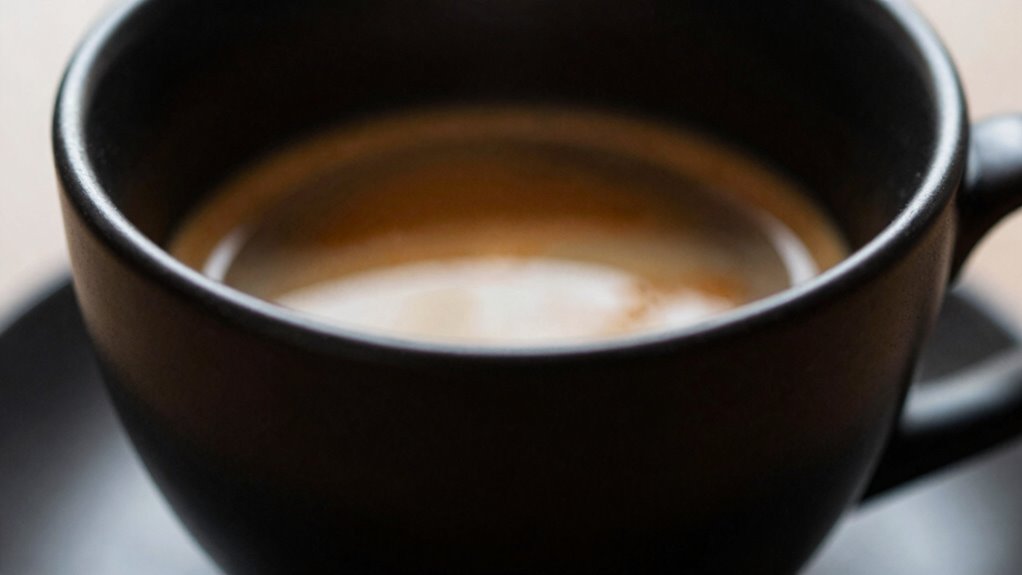
Dark cups can obscure the true color of your coffee, making it harder to judge its freshness and strength at a glance. When you pour your brew into a black or dark-colored cup, the rich browns and vibrant hues that usually give clues about the coffee’s quality become muted or hidden altogether. This isn’t just a visual inconvenience; it impacts your overall experience because color often hints at the roast level and freshness. Without those visual cues, you might overlook the subtle differences that distinguish a fresh, lively cup from one that’s lost its vigor.
Dark cups hide coffee’s true color, making it harder to judge freshness and strength visually.
The coffee aroma plays a significant role in how you perceive your drink, but visual cues also matter. When the cup’s dark material prevents you from seeing the coffee’s true color, you lose an important sensory signal. The aroma might tell you a lot about the coffee’s flavor profile, but the color is a quick, instinctive indicator of its roast and age. If you’re trying to gauge whether your coffee is too old or under-roasted, dark cups make that assessment more difficult. It’s like trying to judge a book by its cover when the cover is intentionally obscured. You miss out on the immediate, intuitive understanding that the color provides about the coffee’s freshness and strength. Additionally, visual perception influences your overall enjoyment and appreciation of the brew. A visual cue is often the first impression you get before even taking a sip, highlighting its importance. Choosing the right cup material can further enhance how well you see your coffee’s color and appreciate its qualities.
Cup material also influences how well you can see your coffee’s color. Dark ceramic or matte finishes absorb light, reducing visibility and making it tougher to appreciate the coffee’s nuances. When you consider the importance of light reflection, choosing cups that reflect light better can significantly enhance your visual perception. Plus, the color contrast between the coffee and the cup itself can make a noticeable difference in how vividly you see the beverage. On the other hand, transparent or light-colored cups allow the true color to shine through, offering a more accurate visual cue. When you’re invested in savoring the full sensory experience, opting for a clear or lighter cup helps you enjoy the visual aspect that complements the aroma and taste.
Ultimately, the choice of cup material and color impacts your overall perception of the coffee. Dark cups may be stylish or practical in some contexts, but they conceal visual clues that are essential to understanding your brew. If you want a more complete sensory experience—one that includes seeing, smelling, and tasting—consider switching to a lighter or transparent cup. This simple change enhances your ability to judge freshness, strength, and roast level instantly, making every sip more satisfying and informed.
Products Worth Considering

Cuisinart DFP-14BCNY 14-Cup Food Processor, 720-Watt, Stainless Steel

Ninja Crispi 4-in-1 Portable Glass Air Fryer, Grey, FN101GY

Ninja Luxe Café Mini Plus Espresso and Coffee Maker with AutoFroth, Bone & Champagne
As an affiliate, we earn on qualifying purchases.
Frequently Asked Questions
Do Dark Cups Affect the Taste of Coffee?
Dark cups can affect the taste of your coffee by causing flavor masking and aroma concealment. The deep color and material of dark cups may absorb or reflect certain flavors and aromas, reducing your ability to fully enjoy the coffee’s nuanced notes. As a result, you might miss out on the full sensory experience. To preserve flavor and aroma, consider using lighter-colored cups that don’t interfere with your coffee’s natural qualities.
Can Lighting Conditions Influence Coffee Appearance in Dark Cups?
Yes, lighting ambiance can influence how coffee looks in dark cups. When you change the lighting, your visual perception shifts, making the coffee appear darker or lighter than it truly is. Bright, natural light reveals subtle color tones, while dim or warm lighting can make the coffee seem deeper and richer. So, adjusting your lighting setup lets you see the coffee’s true color, enhancing your sensory experience.
Are There Specific Coffee Types Better Suited for Light-Colored Cups?
Light-colored cups enhance coffee aesthetics by making the drink’s color more visible, so they’re better suited for showcasing darker roasts or visually appealing brews. The cup material influence also matters; ceramic or glass cups reflect light well, highlighting the coffee’s rich hues. If you want to appreciate your coffee’s color and aroma fully, opt for light-colored, transparent, or glossy cups that reveal the beverage’s true appearance.
How Do Dark Cups Impact the Perception of Coffee Freshness?
You might think dark cups make coffee seem fresher, but they actually impact your perception of color. Dark cups create visual deception, hiding the coffee’s true hue, which is a key indicator of freshness. This means you can’t rely solely on color perception to judge how fresh your brew is. Instead, focus on aroma and taste, since visual cues are less reliable with dark cups, ensuring you enjoy your coffee at its best.
Do Dark Cups Hide Other Coffee Characteristics Besides Color?
Dark cups do hide other coffee characteristics besides color by reducing visual contrast, making it harder to notice subtle details like crema or foam texture. This can impact your ability to assess freshness and quality visually. However, dark cups often boost aesthetic appeal, giving your coffee presentation a sleek, modern look. If you want to observe more coffee nuances, consider using lighter cups that reveal textures and surface details more clearly.
Conclusion
So, next time you sip from a dark cup, remember—you’re holding a secret vault, hiding the vibrant symphony of coffee’s true colors. It’s like trying to see a masterpiece through a blackened glass—completely obscured! If you want to truly appreciate each hue, step into the light and let those rich, swirling shades dance before your eyes. Don’t let darkness blind your senses—unwrap the mystery and savor every fiery, colorful drop!