TL;DR
A shot of espresso contains about 127 mg of caffeine per 2 ounces, while a typical 12-ounce cup of coffee has around 144 mg. Despite higher caffeine per ounce in espresso, larger coffee servings generally deliver more total caffeine. Exact amounts vary based on brewing and bean type.
A standard 2-ounce shot of espresso contains approximately 127 milligrams of caffeine, while a typical 12-ounce mug of brewed coffee averages about 144 milligrams, according to the USDA. This comparison clarifies that, despite espresso’s higher caffeine concentration per ounce, larger coffee servings often provide more total caffeine, impacting consumer choices and daily intake.
Espresso is made by forcing hot water through finely ground coffee under high pressure, resulting in a concentrated 1- or 2-ounce shot. It is traditionally brewed with dark roast beans and a fine grind, which maximizes caffeine extraction. You can learn more about light roast coffee options.
In contrast, a standard cup of drip coffee, typically around 12 ounces, contains approximately 144 milligrams of caffeine, with some large servings reaching over 260 milligrams. The variability in brewing methods, bean types, and serving sizes means that caffeine content can fluctuate significantly. Drip coffee is brewed with coarser grounds over a longer period, extracting caffeine from a broader range of beans and roasts.
While espresso’s high concentration per ounce makes it seem more potent, the larger volume of a typical coffee mug results in a higher total caffeine intake. For tips on brewing the perfect cup, see our guide on Keurig Coffee Maker troubleshooting.
Implications for Daily Caffeine Consumption
Understanding the caffeine content differences helps consumers manage their intake more accurately, especially given the health guidelines of up to 400 milligrams daily. Recognizing that a small espresso shot is highly concentrated but may deliver less total caffeine than a large coffee mug is important for those monitoring their caffeine consumption for health reasons or personal sensitivity.

atatix Espresso Machine with Milk Frother, 20 Bar Pressure Espresso Maker, with 44OZ Removable Tank, Compact Stainless Steel Coffee Machine for Home, Office, Latte, Cappuccino, Macchiato, Silver
【Make Favorite Espresso Coffee by Yourself】The espresso machine with milk frother allows you to prepare all your favorite…
As an affiliate, we earn on qualifying purchases.
As an affiliate, we earn on qualifying purchases.
How Brewing Methods Influence Caffeine Levels
Espresso’s brewing process involves high pressure and fine grounds, extracting caffeine quickly and efficiently, resulting in a concentrated shot. Conversely, drip coffee uses coarser grounds and longer extraction times, leading to a larger volume with a more variable caffeine content. Bean type and roast also influence caffeine levels, with robusta beans naturally containing about twice as much caffeine as arabica beans.
Previous estimates have shown that espresso’s caffeine per ounce exceeds that of brewed coffee, but the total caffeine in a typical serving favors brewed coffee due to larger volume. This distinction is often misunderstood by consumers seeking a quick energy boost or trying to limit intake.
“While espresso contains more caffeine per ounce, the larger volume of a typical coffee mug generally results in a higher total caffeine intake.”
— an anonymous researcher

12. oz Lick the Drip Coffee Mug
As an affiliate, we earn on qualifying purchases.
As an affiliate, we earn on qualifying purchases.
Variability in Caffeine Content Across Beverages
It is not yet clear how much caffeine varies across different brands, brewing techniques, and bean types in real-world settings. Exact caffeine levels can fluctuate significantly, making precise comparisons challenging.
SHARDOR Electric Coffee Grinder, 70g Large Capacity Spice Grinder with Visual Timing Knob for Precise Grind, Quiet Coffee Bean Grinder for Espresso, French Press, Herbs and Grains, Black
【PRECISION GRINDING CONTROL】 Stop guessing how long to grind. Our electric coffee grinder features a clear timing knob…
As an affiliate, we earn on qualifying purchases.
As an affiliate, we earn on qualifying purchases.
Further Research and Consumer Guidance
Researchers and industry experts plan to develop more standardized testing methods to accurately measure caffeine content across various coffee products. Consumers are advised to consider serving sizes and brewing methods when estimating their caffeine intake, especially if they are sensitive or need to limit consumption.
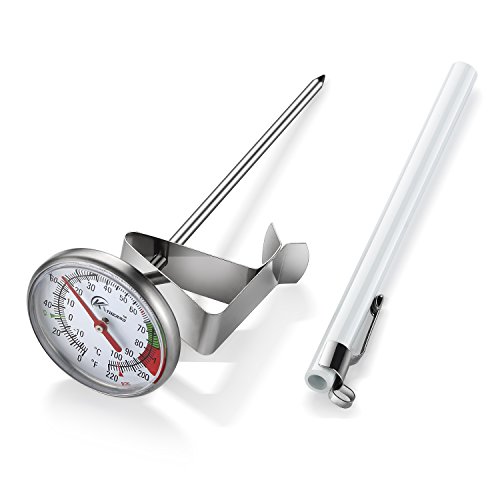
KT THERMO Instand Read 2-Inch Dial Thermometer,Best for The Coffee Drinks,Chocolate Milk Foam
DESIGN:Multi-stage design of the fixed clip, adjust the thermometer read the location of the disk surface to facilitate…
As an affiliate, we earn on qualifying purchases.
As an affiliate, we earn on qualifying purchases.
Key Questions
How much caffeine is in a typical shot of espresso?
About 127 milligrams of caffeine in a 2-ounce shot, according to USDA estimates.
Does a larger coffee mug always mean more caffeine?
Generally, yes. A 12-ounce mug can contain over 144 milligrams of caffeine, depending on brewing strength and bean type.
Is espresso more stimulating than coffee?
Per ounce, yes. But in terms of total caffeine in a typical serving, regular coffee often provides more overall stimulation.
Can caffeine content vary between brands?
Yes, due to differences in beans, roasting, and brewing methods, caffeine levels can vary significantly.
How should I monitor my caffeine intake?
Consider both serving size and brewing method, and stay within health guidelines of about 400 milligrams daily.
Source: Food Republic