
Decaffeinating coffee involves removing caffeine while trying to keep the beans’ flavor intact. You might encounter methods like the Swiss Water process, which uses only water and filters, or the CO₂ technique, which uses high-pressure carbon dioxide. Solvent-based methods involve safe chemicals, carefully controlled to avoid flavor loss. Each method impacts taste differently but aims to preserve quality. If you want to know more about how these processes work and affect flavor, keep exploring.
Key Takeaways
- Decaf coffee is made by removing caffeine from coffee beans while preserving flavor compounds through gentle extraction methods.
- The main decaffeination techniques include solvent-based extraction, Swiss Water process, and carbon dioxide method.
- Solvent-based methods use chemicals like methylene chloride or ethyl acetate to selectively extract caffeine from beans.
- The Swiss Water process relies solely on water and natural filtration, avoiding chemicals and maintaining flavor integrity.
- Decaffeination adheres to strict safety standards, ensuring residual chemicals are within safe limits while preserving coffee’s aroma and taste.

Amazon Fresh Decaf Colombia Whole Bean Coffee, Medium Roast, 12 Ounce
- Roast Level: Medium roast with smooth finish
- Package Size: 12-ounce whole bean bag
- Decaffeinated: Decaf coffee
As an affiliate, we earn on qualifying purchases.
As an affiliate, we earn on qualifying purchases.
How Is Decaf Coffee Made Without Losing Flavor?
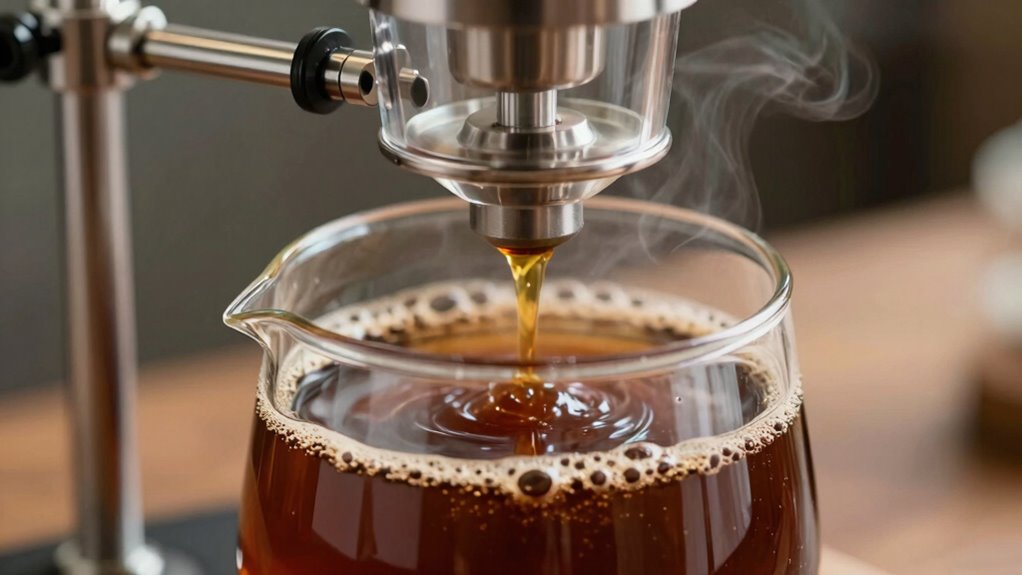
How is decaf coffee made without losing its rich flavor? The secret lies in optimizing flavor preservation during the decaffeination process. Experts focus on decaffeination efficiency, removing caffeine while leaving the coffee’s natural oils, acids, and aromatic compounds intact. They carefully select methods that target caffeine molecules without stripping away essential flavor elements. For example, gentle extraction techniques minimize flavor loss, ensuring the coffee retains its original profile. This precision allows coffee producers to produce decaf beans that taste almost identical to regular coffee. The goal is to strike a balance—removing caffeine efficiently while maintaining the coffee’s vibrant taste and aroma. With advancements in decaffeination technology, you can enjoy decaf coffee that doesn’t compromise on flavor. Additionally, understanding the chemical composition of coffee helps optimize processes to preserve its unique sensory qualities. Incorporating specialized decaffeination techniques further enhances flavor retention, ensuring that decaf coffee remains as flavorful as its caffeinated counterpart. Recent innovations also focus on environmentally friendly methods, making the process more sustainable without sacrificing quality. Moreover, ongoing research into flavor preservation continues to improve the overall decaffeination process, allowing for even better taste outcomes.

Verena Street Sunday Drive, Swiss Water Process Decaf Ground, 11oz
- Coffee Type: Decaf ground coffee, 11oz.
- Flavor Profile: Rich yet mellow flavor
- Decaffeination Method: Swiss Water process
As an affiliate, we earn on qualifying purchases.
As an affiliate, we earn on qualifying purchases.
What Are the Main Decaffeination Methods Explained?

You’ll find that decaffeination mainly uses three methods: solvent-based extraction, the Swiss Water process, and the carbon dioxide technique. Each approach removes caffeine differently while aiming to preserve flavor. Understanding these methods helps you choose the best decaf for your taste preferences. Additionally, the choice of method can influence the overall flavor profile of the decaffeinated coffee.
Solvent-Based Extraction Process
Have you ever wondered how decaf coffee is made without sacrificing its rich flavor? The solvent-based extraction process uses chemical solvents, like methylene chloride or ethyl acetate, to remove caffeine from green coffee beans. This method is efficient and preserves much of the coffee’s original flavor, making it popular for those wanting flavor preservation. It also allows for ethical sourcing, as producers can ensure transparency and safety. During the process:
- Beans are soaked in water to open their pores
- The solvent selectively binds to caffeine molecules
- Caffeine is extracted, leaving flavor compounds intact
- Beans are then thoroughly rinsed and dried
- The process often involves specific decaffeination techniques to ensure safety and quality
This method balances effective decaffeination with maintaining the quality and integrity of the coffee you enjoy.
Swiss Water Method Explained
The Swiss Water Method offers a chemical-free way to decaffeinate coffee, relying solely on water and natural processes. It begins by soaking coffee beans from the coffee plant, allowing caffeine to dissolve into the water. This caffeine extraction process is selective, meaning caffeine is removed while most of the flavor compounds stay in the beans. The water, now containing caffeine, passes through a carbon filter that traps caffeine molecules but leaves other soluble substances intact. The beans are then soaked again in this caffeine-free, flavor-rich water, which helps preserve the original taste. This method’s eco-friendly approach appeals to those seeking decaf coffee without chemical residues, ensuring you get a natural, flavorful cup while effectively removing caffeine during the extraction process. Decaffeination process techniques, like the Swiss Water Method, focus on maintaining the bean’s quality and flavor profile. Additionally, this method is appreciated for its environmentally friendly approach, minimizing chemical waste and pollution. The process also emphasizes sustainability, making it a popular choice among environmentally conscious consumers. This approach is often contrasted with other methods that utilize chemicals, highlighting its advantage in natural decaffeination. Furthermore, the Swiss Water Method is regarded as a chemical-free process, which appeals to consumers concerned about potential chemical residues.
Carbon Dioxide Technique
How does the Carbon Dioxide (CO₂) technique decaffeinate coffee? It uses supercritical CO₂ to selectively extract caffeine while preserving the coffee bean’s flavor and integrity. The beans are soaked in water, then exposed to high-pressure CO₂, which acts like a solvent to remove caffeine. Once caffeine is extracted, the CO₂ is depressurized and recycled for reuse, making it an eco-friendly method. This process guarantees the coffee maintains its original flavor profile, meeting decaf certification standards. Plus, it helps with coffee bean preservation by minimizing damage during decaffeination. supercritical CO₂ is a key component that allows for precise caffeine removal without affecting other compounds. Additionally, the environmentally friendly nature of this method makes it a popular choice among coffee producers seeking sustainable practices. The use of advanced extraction techniques ensures the process remains both effective and environmentally conscious.

Kicking Horse Coffee, Decaf, Swiss Water Process, Dark Roast, Whole Bean, 10 Oz – Certified Organic, Fairtrade, Kosher Coffee
- Tasting Notes: Hazelnuts, chocolate, balanced body, long finish
- Dark Roast Profile: Velvety, earthy, smooth, powerful
- Roasting Location: Roasted in the Canadian Rockies
As an affiliate, we earn on qualifying purchases.
As an affiliate, we earn on qualifying purchases.
How Does the Swiss Water Process Decaffeinate Coffee?
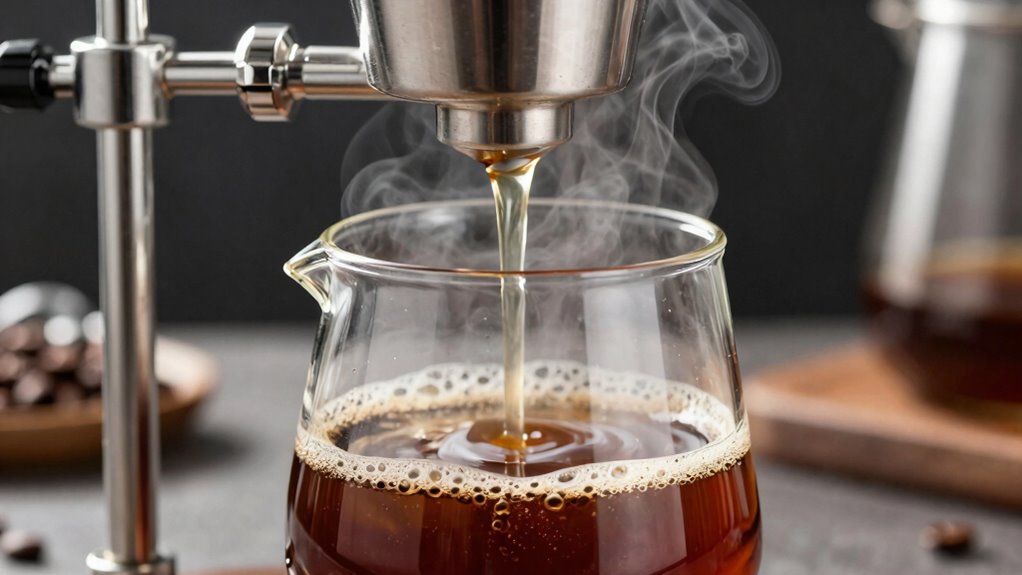
Curious about how the Swiss Water Process removes caffeine from coffee beans without using chemicals? You’ll find that it relies on caffeine removal through water and osmosis. First, green coffee beans are soaked in hot water to dissolve the caffeine and other soluble compounds. This water, now saturated with flavors and caffeine, is then passed through a charcoal filter that traps caffeine molecules while letting flavor compounds pass through. The beans are re-soaked in the decaffeinated water, allowing them to reabsorb most of their original flavors. This cycle continues until most caffeine is removed. Additionally, the process is water-based, making it a naturally gentle decaffeination method. The key benefit? It preserves the coffee’s natural flavors, ensuring you get a rich, satisfying cup without the caffeine. The decaffeination process is carefully designed to maintain the coffee’s original aroma and taste profiles.
Kicking Horse Coffee, Decaf, Swiss Water Process, Dark Roast, Whole Bean, 10 Oz – Certified Organic, Fairtrade, Kosher Coffee
- Tasting Notes: Hazelnuts, chocolate, balanced body, long finish
- Dark Roast Profile: Velvety, earthy, smooth, powerful
- Roasting Location: Roasted in the Canadian Rockies
As an affiliate, we earn on qualifying purchases.
As an affiliate, we earn on qualifying purchases.
Is the Chemical Solvent Method Safe for Decaf Coffee?

Many people wonder if the chemical solvent method is safe for decaf coffee. Generally, it is considered safe because the process is tightly regulated, and residues are minimal. Coffee beans are soaked in solvents like methylene chloride or ethyl acetate, which target caffeine while preserving flavor. Regulations ensure safety by setting strict limits on residual solvents, providing additional reassurance for consumers. You might be curious about flavor preservation and health implications. Here are some key points:
- The process retains much of the coffee’s original flavor.
- Residual solvents are tested to meet safety standards.
- Health concerns are minimal when regulations are followed.
- Some consumers prefer decaffeination safety methods for peace of mind.
- Compliance standards are established to ensure that the decaffeination process remains safe for consumers.
- Advances in decaffeination techniques help improve both safety and flavor quality.
- Laboratory testing plays a crucial role in verifying that residual solvent levels stay within safe limits.
How Does CO2 Decaffeination Work?
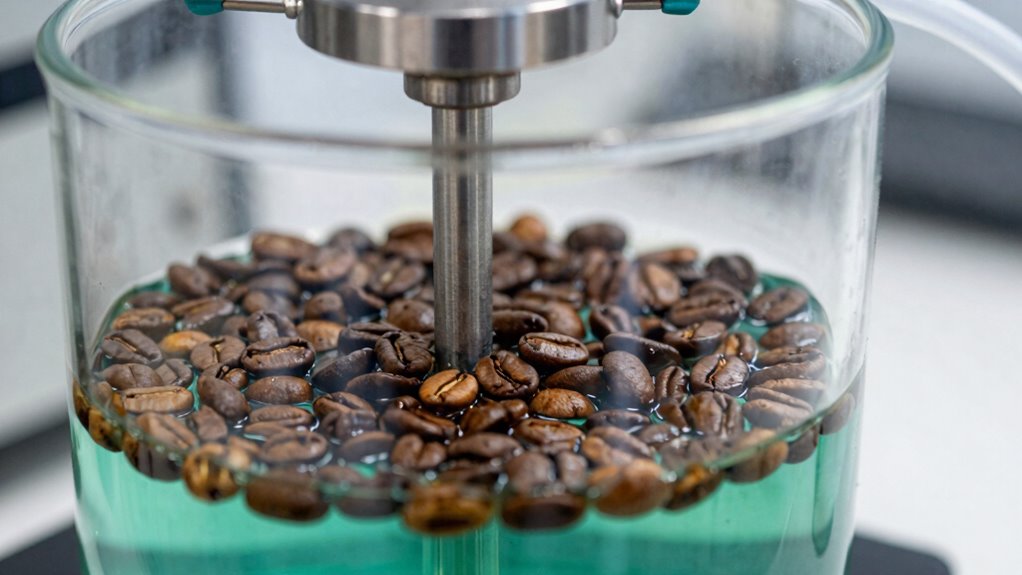
CO2 decaffeination uses carbon dioxide in its supercritical state to extract caffeine from coffee beans efficiently. In this process, CO2 acts like a solvent, selectively bonding with caffeine molecules while leaving most of the coffee’s natural oils and flavors intact. This method preserves the coffee aroma better than other techniques, making for a richer, more authentic cup. From an ethics perspective, CO2 decaffeination is considered more environmentally friendly because it uses recycled CO2 and avoids harmful chemicals. It also aligns with decaffeination ethics by reducing chemical residues in your coffee. Additionally, supercritical CO2 technology allows for precise control over the decaffeination process, ensuring consistent quality. This process is favored for its ability to maintain flavor integrity while removing caffeine effectively. Overall, this method balances effective caffeine removal with maintaining flavor integrity, offering a cleaner, more sustainable way to enjoy decaf coffee without sacrificing taste. The use of eco-friendly solvents further enhances its sustainability profile, making it a preferred choice among conscious consumers.
How Do Decaffeination Techniques Affect Coffee Flavor and Quality?

Decaffeination techniques can considerably influence the flavor and overall quality of your coffee. Different methods, like Swiss Water or solvent-based processes, impact flavor preservation and quality differently. Some techniques preserve more of the coffee’s original flavors, while others may strip away subtle notes. For example, water-based methods tend to maintain better flavor integrity, reducing the quality impact. Conversely, solvent methods might risk altering taste profiles if not carefully managed.
Here are key points to contemplate:
- Flavor preservation varies with the method used
- Quality impact depends on how gently the process treats the beans
- Some techniques retain more aromatic compounds
- Others may slightly dull or change flavor nuances
Choosing the right decaffeination method ensures your coffee remains flavorful and high-quality.
Is Decaf Coffee as Healthy as Regular Coffee?

You might wonder if decaf coffee offers the same health benefits as regular coffee, especially since their nutritional contents differ slightly. While decaf still provides antioxidants and other nutrients, it generally has less caffeine, which can impact certain health effects. Understanding these differences helps you decide which option aligns best with your health goals.
Nutritional Content Differences
While decaf coffee undergoes a process to remove most of its caffeine, its nutritional profile remains quite similar to that of regular coffee. The coffee aroma, rich and inviting, stays largely intact, making it enjoyable without the high caffeine content. Nutritionally, decaf still provides antioxidants, which support overall health, and small amounts of vitamins and minerals like magnesium and potassium. Here are some key points:
- Caffeine content is considerably reduced, but some trace amounts remain.
- The antioxidant levels are comparable, offering similar health benefits.
- Vitamins and minerals are present in small quantities, like regular coffee.
- The coffee aroma remains strong, preserving the sensory experience.
Potential Health Benefits
Decaf coffee offers many of the same health benefits as regular coffee, making it a good choice for those seeking the positive effects without the caffeine boost. Coffee roasting releases antioxidants that help combat oxidative stress, contributing to overall health. Since decaf retains many of these compounds, you can still enjoy their benefits. Additionally, decaf impacts caffeine metabolism differently, causing fewer jitters or sleep disruptions. Research suggests that decaf may reduce the risk of certain conditions, like type 2 diabetes and cardiovascular disease, similar to regular coffee. While it lacks caffeine’s stimulant effects, decaf still provides anti-inflammatory properties and boosts in antioxidants. So, if you’re sensitive to caffeine, decaf coffee can be a healthy alternative without sacrificing many of coffee’s potential health benefits.
Frequently Asked Questions
Does Decaffeination Remove All Caffeine From Coffee Beans?
Decaffeination methods don’t remove all caffeine from coffee beans; they typically eliminate about 97-99%. You might notice a tiny amount of caffeine remains. The goal is to preserve flavor while reducing caffeine content, so experts use gentle processes like Swiss Water or CO2 extraction. These methods help maintain the coffee’s original flavor profile, ensuring you get a satisfying cup without the full caffeine punch.
How Long Does the Decaffeination Process Take?
Decaffeination methods typically take between 8 to 12 hours, depending on the process. For example, in the Swiss Water Method, caffeine extraction occurs over several hours to guarantee thorough decaffeination without chemicals. You can expect the entire process to be efficient yet lengthy, as it carefully removes caffeine while preserving flavor. So, decaffeination isn’t instant—it takes enough time to ensure you get decaf coffee with minimal caffeine content.
Are Certain Coffee Varieties Easier to Decaffeinate Without Flavor Loss?
Some coffee varieties are easier to decaffeinate with minimal flavor loss because they have a higher caffeine content or a more robust flavor profile. Beans with thicker cell walls tend to preserve flavor better during decaffeination. Using gentle decaffeination techniques like the Swiss Water process helps preserve flavor, especially for delicate beans. Choosing naturally decaffeinated or lightly processed beans can also enhance flavor preservation during decaffeination.
Can Decaf Coffee Still Contain Trace Amounts of Caffeine?
Like whispers of the past lingering in memory, decaf coffee can still contain trace amounts of caffeine—usually less than 5 milligrams per cup. Your caffeine metabolism determines how quickly you process it, influencing your decaf beverage preferences. So, if you’re sensitive or aiming to avoid caffeine entirely, it’s wise to choose decaf carefully. Remember, even decaf isn’t entirely caffeine-free, but it’s a much gentler alternative for most.
How Does Decaffeination Impact Coffee Shelf Life?
Decaffeination can slightly reduce coffee’s shelf life because it may strip some natural oils and flavors, leading to faster flavor loss over time. However, proper storage helps preserve flavor and freshness. Different decaffeination methods, like Swiss Water or CO2, impact flavor preservation differently, but all require airtight containers and cool, dark environments to extend shelf life. So, decaf coffee still stays fresh longer with proper storage, despite minor impacts from decaffeination.
Conclusion
As you sip your decaf, imagine the careful dance of water, steam, and gentle solvents working behind the scenes—like a quiet symphony preserving every nuance of flavor. It’s no coincidence that, with each method, your favorite brew retains its rich aroma and smooth taste. So, next time you enjoy your decaf, appreciate the delicate balance and science that keeps your cup just as inviting, even without the caffeine kick. Cheers to mindful sipping!