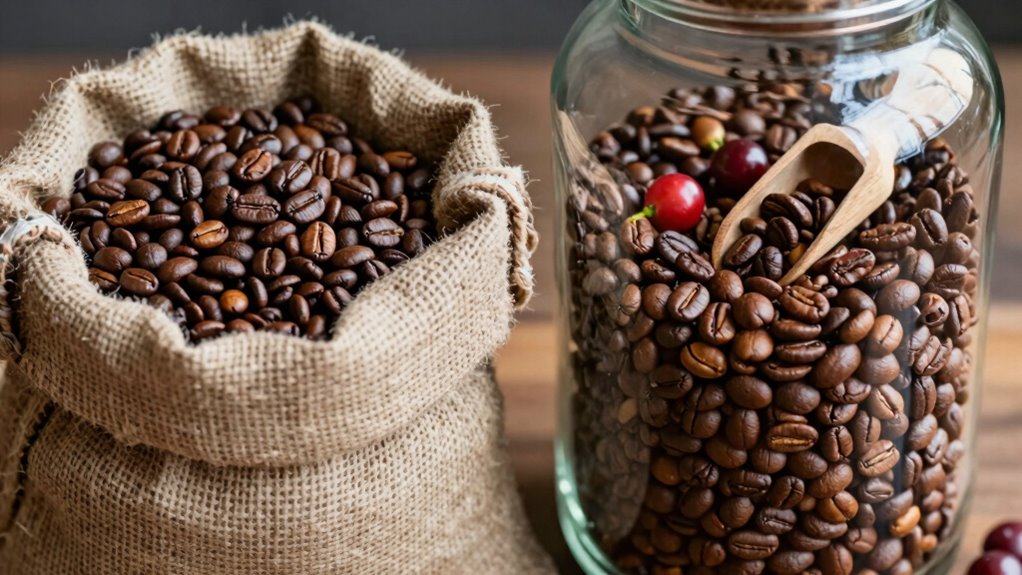

Commodity coffee is mass-produced with less focus on quality, often relying on lower standards and indirect trade, while specialty coffee is carefully sourced, graded, and processed to highlight unique flavors and high standards. Specialty coffee emphasizes ethical sourcing, precise roasting, and attention to detail, resulting in richer, more complex tastes. If you want to understand how these differences impact flavor, price, and your choices, there’s more to explore below.

Get coffee and tea gear delivered free — and shop member deals
- Fast, free delivery on millions of items
- Access to Prime Big Deal Days deals on October 6–7
- Prime Video, Amazon Music and more included
Key Takeaways
- Commodity coffee is mass-produced with lower quality standards, while specialty coffee is carefully sourced and graded for higher quality.
- Specialty coffee emphasizes defect-free beans, precise processing, and roasting to enhance unique flavor profiles.
- Commodity coffee often involves indirect trade and lower transparency, whereas specialty coffee supports direct relationships and ethical certifications.
- Price points differ significantly: commodity coffee is generally cheaper, while specialty coffee commands higher prices due to its quality and craftsmanship.
- Consumer preferences vary: commodity coffee focuses on affordability and convenience, whereas specialty coffee appeals to those seeking distinctive flavors and sustainability.
As an affiliate, we earn on qualifying purchases.
What Are Commodity Coffee and Specialty Coffee?
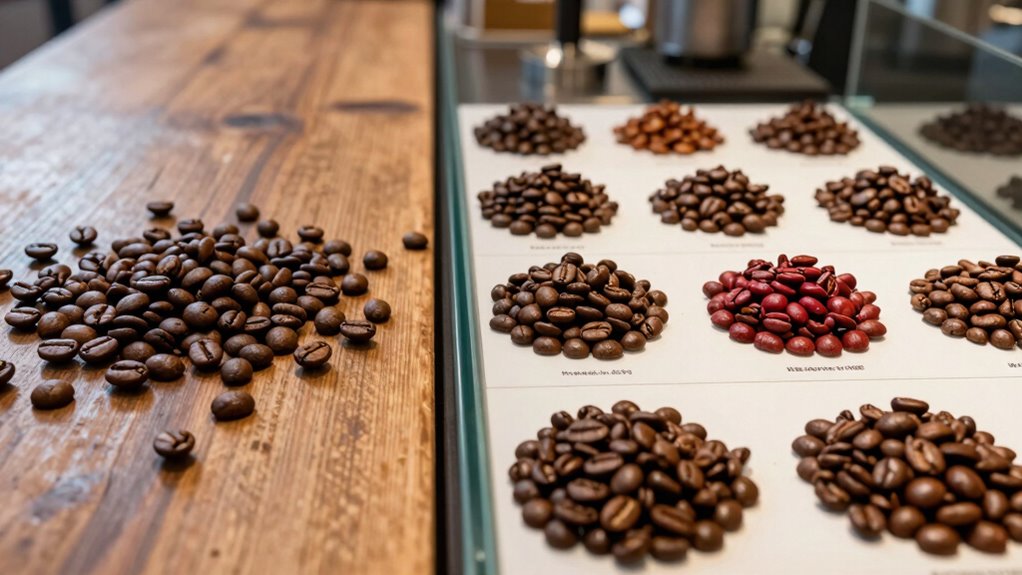
Commodity coffee and specialty coffee are two distinct categories that differ primarily in quality and production standards. When you’re exploring coffee options, understanding these differences helps you make better choices for coffee brewing and storage. Commodity coffee is mass-produced, often with less attention to detail, resulting in a more uniform but lower-quality product. It’s typically stored in bulk, which can affect freshness and flavor over time. Additionally, commodity coffee often lacks the quality control processes that ensure consistency and high standards. Proper storage practices are essential for commodity coffee to maintain its flavor, but they are often less stringently followed. To maximize its shelf life, commodity coffee benefits from proper storage techniques, which can help preserve its flavor for longer periods. Recognizing the production standards involved in coffee processing can help consumers identify higher-quality options. Ensuring that coffee meets grading standards is a key aspect of evaluating quality. Specialty coffee, on the other hand, is carefully sourced, graded, and processed, ensuring higher quality. For the best flavor, specialty coffee requires proper coffee storage to preserve its unique characteristics. When you brew specialty coffee, you’ll notice more nuanced flavors, which makes the extra effort in storage worthwhile.
As an affiliate, we earn on qualifying purchases.
How Do Coffee Sourcing Practices Differ for Each?
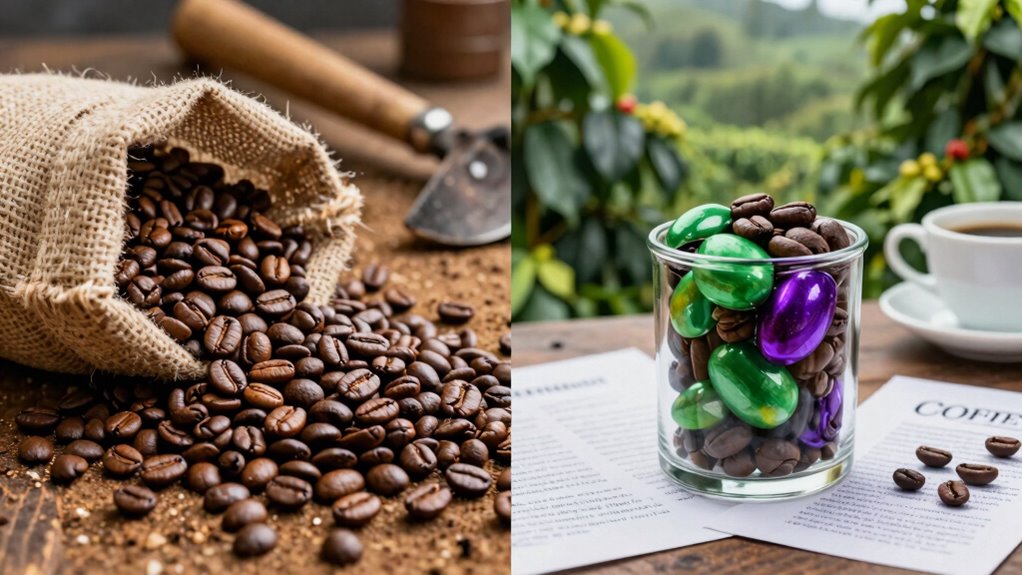
You’ll notice that commodity coffee often relies on lower sourcing standards and certifications, whereas specialty coffee emphasizes strict quality controls. With specialty coffee, direct relationships with farmers are common, ensuring better transparency and support, while commodity coffee usually depends on indirect trade channels. These sourcing practices shape not only the quality but also the sustainability and ethical standards behind each type. Additionally, certification standards play a significant role in distinguishing the two, influencing consumer choice and industry practices. Recognizing the importance of biodiversity conservation can also inform more sustainable sourcing decisions that support ecosystem health and local communities. Incorporating environmental practices into sourcing strategies helps ensure the long-term viability of coffee cultivation, which is vital for both producers and consumers. In particular, adopting environmentally conscious practices helps preserve agricultural diversity, which is vital for resilient coffee cultivation. Moreover, fostering fair trade relationships can further enhance the social and economic sustainability of coffee supply chains.
Sourcing Standards and Certifications
Sourcing standards and certifications play a crucial role in differentiating commodity coffee from specialty coffee. Commodity coffee often lacks strict standards, focusing on mass production and cost efficiency. In contrast, specialty coffee producers prioritize certifications like Fair Trade and Organic certification, ensuring ethical practices and environmental sustainability. Fair Trade certification guarantees fair wages and good working conditions for farmers, while Organic certification confirms the coffee is grown without synthetic pesticides or fertilizers. These standards promote transparency and accountability, supporting farmers who follow sustainable practices. Specialty coffee’s sourcing practices emphasize quality and ethical integrity, often involving detailed traceability. Conversely, commodity coffee’s sourcing is typically driven by volume and price, with less emphasis on certifications or sustainable standards. Additionally, the use of sustainable sourcing methods further distinguishes specialty coffee from its commodity counterpart, highlighting a commitment to environmental and social responsibility.
Direct vs. Indirect Relationships
While many coffee buyers rely on indirect relationships through intermediaries, specialty coffee producers often establish direct connections with farmers. This approach benefits farmers’ livelihoods by providing better compensation and fostering transparency. Direct relationships allow you to understand the farmers’ practices, ensuring quality and sustainability. In addition, these relationships can foster trust and collaboration, which are essential for maintaining high standards. Building direct sourcing relationships helps you support farmers’ communities and maintain high standards. These connections also enable more effective communication, leading to continuous improvements in quality control. These relationships create trust, encourage ethical practices, and promote long-term collaboration. Ultimately, direct sourcing shifts the focus from volume to quality, benefiting both you and the farmers in the supply chain. Recognizing the importance of transparent supply chains can significantly enhance the integrity of your sourcing practices.
As an affiliate, we earn on qualifying purchases.
What Quality Factors Make Specialty Coffee Stand Out?
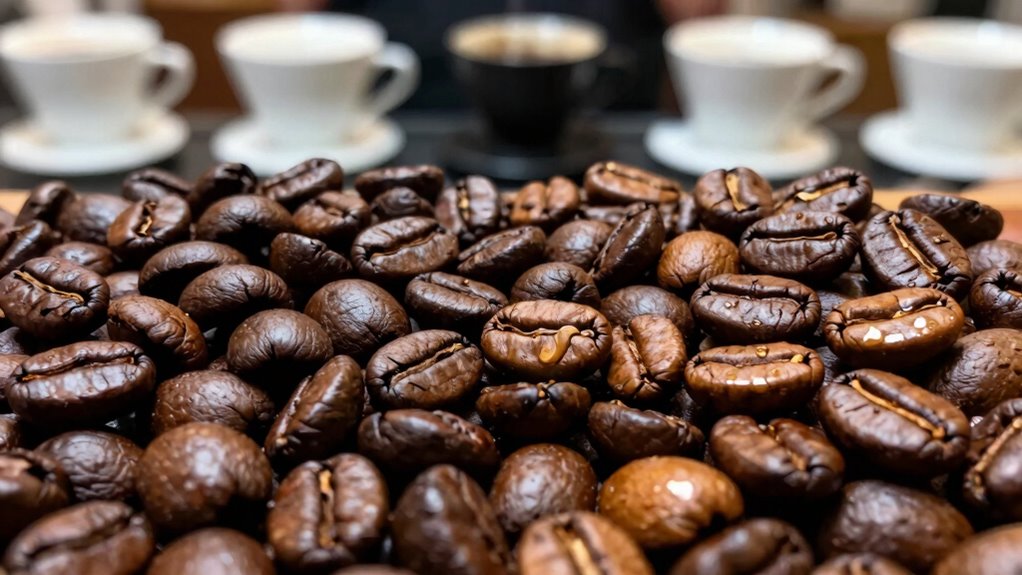
You can tell specialty coffee apart by its strict standards for defect-free beans, which guarantee only the best make it to your cup. These coffees also boast exceptional flavor profiles, offering complex and nuanced tastes that stand out from commodity options. It’s this combination of quality controls and distinctive flavors that truly makes specialty coffee special. Additionally, quality factors such as precise roasting techniques and meticulous sourcing contribute to its superior profile. Recognizing sustainable practices in coffee production further enhances the appreciation of its quality and environmental impact. Implementing strict quality standards ensures consistency and excellence in every batch, setting specialty coffee apart from mass-produced options. Understanding the importance of color management in roasting and processing can also help maintain the coffee’s vibrant qualities from bean to cup. Proper grading methods are essential to accurately assess the beans’ attributes and guarantee top-tier quality.
Bean Defect-Free Standards
Achieving defect-free beans is a fundamental standard that sets specialty coffee apart from commodity options. High bean quality depends on strict adherence to defect standards, which eliminate beans with physical flaws or damage. These standards guarantee uniformity and purity, directly impacting the final flavor and aroma. Beans free of defects like insect damage, mold, or broken pieces are essential. The following table highlights common defects and their impact:
| Defect Type | Description | Effect on Quality |
|---|---|---|
| Insect Damage | Holes or holes caused by pests | Detracts from appearance and flavor |
| Mold | Visible mold or mildew | Introduces off-flavors |
| Broken Beans | Fragments or cracked beans | Reduces uniformity |
| Fermentation Flaws | Over-fermented or under-fermented beans | Affects taste consistency |
| Foreign Matter | Stones, sticks, or debris | Harmful and undesirable |
Exceptional Flavor Profiles
Exceptional flavor profiles are what truly set specialty coffee apart from its commercial counterparts. You’ll notice the complex flavor nuances that reveal themselves with every sip, from bright acidity to rich, layered notes. These profiles are shaped by meticulous harvest techniques, where only ripe cherries are picked at peak flavor. Skilled harvesters ensure that each bean develops its full potential, avoiding underripe or overripe fruit. The careful handling during processing preserves these delicate nuances, resulting in a coffee that’s vibrant and expressive. Unlike commodity coffee, which often lacks distinctive taste, specialty coffee offers a unique sensory experience rooted in the quality of the harvest and attention to detail. This focus on flavor nuances and precise harvest techniques guarantees it to a truly exceptional level.
coffee grinder for specialty beans
As an affiliate, we earn on qualifying purchases.
As an affiliate, we earn on qualifying purchases.
How Do Processing and Roasting Shape Coffee Flavors?
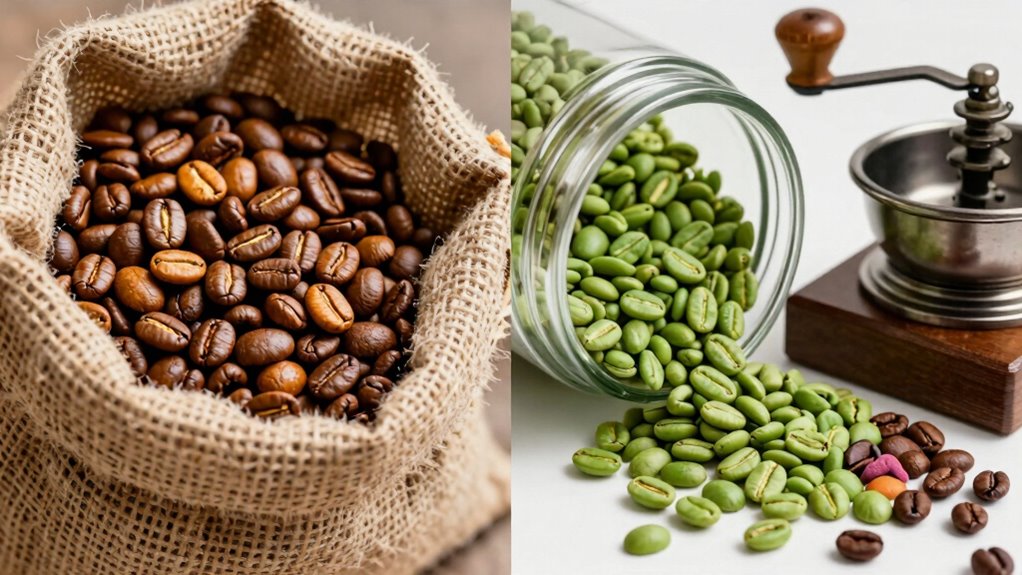
Processing and roasting are essential steps that directly influence the flavor profile of your coffee. The way beans are processed impacts flavor development, highlighting unique traits like fruitiness or acidity. Roasting techniques further shape these flavors through heat, revealing complex aromas and defining body. Different roasting levels—light, medium, dark—bring out distinct characteristics. For example, light roasts preserve origin-specific flavors, while dark roasts emphasize bold, smoky notes. The table below shows how each step affects flavor:
| Step | Effect on Flavor | Key Consideration |
|---|---|---|
| Processing | Enhances unique traits | Method choice (washed, natural) |
| Roasting Level | Alters aroma and body | Roast duration and temperature |
| Roasting Techniques | Defines flavor intensity | Agitation, airflow, heat control |
| Cooling | Locks in flavor | Rapid cooling to stop roast |
| Storage | Maintains freshness | Proper environment for beans |
What Are the Price Differences Between Commodity and Specialty Coffee?
The price difference between commodity and specialty coffee is significant, reflecting their distinct qualities and market value. Commodity coffee prices are often lower due to mass production and standardized quality, with pricing strategies focused on volume and affordability. In contrast, specialty coffee commands higher prices because of its unique flavors, careful cultivation, and meticulous processing. Market demand for specialty coffee remains strong among consumers willing to pay a premium for quality and sustainability. This demand influences pricing strategies, allowing producers and roasters to set higher prices that reflect the craftsmanship involved. Overall, the price gap highlights the differences in production, quality, and consumer perceptions, making specialty coffee a more exclusive and premium product compared to its commodity counterpart. Additionally, coffee grading plays a crucial role in determining the value and pricing of specialty coffees, emphasizing the importance of quality assessment in the market. Moreover, the emphasis on sustainable farming practices further elevates the value of specialty coffee, as consumers increasingly prioritize ethical sourcing. As awareness of ethical sourcing grows, it contributes to the premium prices associated with high-quality, responsibly produced coffee.
How Do Consumer Preferences Vary for Each Coffee Type?

Consumer preferences for coffee vary considerably depending on whether they’re choosing commodity or specialty types. For commodity coffee, consumers often prioritize affordability and convenience, leading to less brand loyalty and more focus on price. Marketing strategies tend to emphasize value, availability, and consistency to attract these buyers. In contrast, specialty coffee appeals to consumers seeking unique flavors, quality, and craftsmanship. These consumers are more likely to develop strong consumer loyalty, valuing transparency about origin and brewing methods. Their purchasing decisions are influenced by stories behind the coffee and brand reputation. Specialty coffee marketers focus on educating consumers and creating an emotional connection, which fosters loyalty and encourages repeat purchases. Additionally, consumer education plays a key role in shaping preferences and building trust with specialty coffee buyers. Overall, understanding these preferences helps brands tailor strategies to meet different consumer needs effectively.
How Can You Choose Between Commodity and Specialty Coffee?
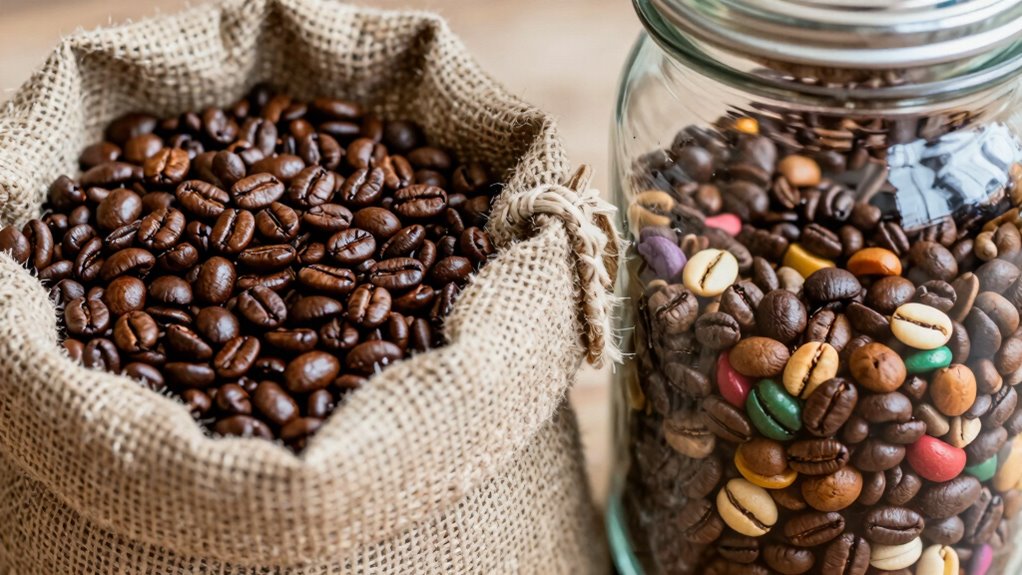
Deciding between commodity and specialty coffee depends on what you value most in your coffee experience. If you prioritize sustainable farming and high-quality coffee farming techniques, specialty coffee is the better choice. It often comes from farms that emphasize environmentally friendly practices and fair labor conditions, ensuring your coffee supports ethical production. On the other hand, commodity coffee typically focuses on mass production, often with less regard for sustainability or unique flavor profiles. To choose wisely, consider whether you want a consistent, affordable option or a more distinctive, ethically sourced experience. Reading labels and asking about the origin and farming methods can help. Ultimately, your preference for sustainability and quality will guide you toward the right coffee type for your taste and values.
How to Start Drinking and Supporting Specialty Coffee
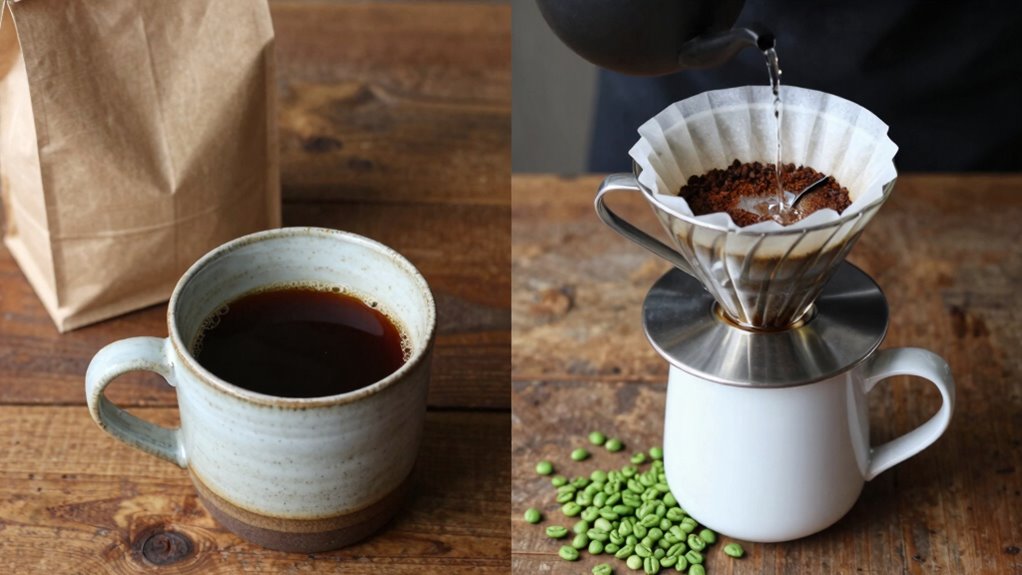
Moving from understanding the differences between commodity and specialty coffee, you can take practical steps to start enjoying and supporting high-quality, ethically sourced brews. Begin by exploring local coffee shops that prioritize specialty beans and ask about their sourcing. When brewing, use methods like pour-over or French press to highlight flavor nuances. Proper coffee storage is essential; keep beans in an airtight container away from light and heat to preserve freshness. Invest in a good grinder to guarantee consistent grind size, which improves extraction. Supporting specialty coffee also means being mindful of your choices—buy directly from roasters or farmers when possible. These small steps help you enjoy richer flavors and promote sustainable practices in the coffee industry.
Frequently Asked Questions
How Does the Environmental Impact Differ Between Commodity and Specialty Coffee?
You’ll find that the environmental footprint of specialty coffee is generally smaller because it relies on sustainable farming practices, like organic methods and shade-grown cultivation. Commodity coffee often has a larger environmental impact due to intensive farming and less eco-friendly practices, which can lead to deforestation and soil degradation. By choosing specialty coffee, you’re supporting environmentally responsible farming practices that help protect ecosystems and promote long-term sustainability.
What Certifications Distinguish Specialty Coffee From Commodity Coffee?
Specialty coffee is distinguished by certifications like Fair Trade, Organic, and Rainforest Alliance, which guarantee quality and ethical standards. These certifications involve rigorous certification processes that verify sustainable farming practices, environmental impact, and fair treatment of workers. As a coffee enthusiast, you’ll notice that these certifications often correlate with superior coffee flavor, transparency, and sustainability, setting specialty coffee apart from commodity options, which lack such standardized quality assurance.
Can Commodity Coffee Ever Be Considered Sustainably Produced?
Yes, commodity coffee can be considered sustainably produced if it’s certified through programs like Fair Trade or Organic farming. These certifications guarantee that farmers follow environmentally friendly practices and fair labor standards. By choosing commodity coffee with such labels, you support sustainable production methods, even if the coffee isn’t classified as specialty. This way, you contribute to environmental health and social equity in coffee-growing communities.
How Do Coffee Grading Standards Vary Internationally?
You’ll find that coffee grading standards vary internationally based on factors like origin, quality, and grading systems. During coffee roasting, these standards influence how beans are classified and marketed. When sourcing beans, it’s essential to understand the grading criteria to guarantee quality, especially if you’re aiming for specialty coffee. Different countries may use distinct grading scales, so familiarizing yourself with these standards helps you select the best beans for authentic flavor.
What Are the Health Benefits Associated With Specialty Coffee?
Specialty coffee is like a health boost in a cup. It’s packed with antioxidants that may lower inflammation and improve brain function. Your flavor profile benefits too, as high-quality beans often contain fewer toxins. When you use precise brewing techniques, you reveal these benefits, making each sip not just flavorful but also potentially healthier. So, enjoy your specialty coffee, knowing you’re nourishing your body while indulging in rich, complex tastes.
Conclusion
Choosing between commodity and specialty coffee is like picking between a quick snack and a gourmet meal—you’ll get very different experiences. Specialty coffee offers richer flavors, ethical sourcing, and a deeper connection to the beans, making each cup a special moment. By understanding these differences, you can make informed choices that support quality and sustainability. So, go ahead, explore the world of specialty coffee—like discovering a hidden treasure at the end of a rainbow.
Fall Picks
fall essentials
As an affiliate, we earn on qualifying purchases.