
Your perception of aroma is greatly influenced by the shape of your cup. Narrower openings trap volatile scent molecules, intensifying the aroma, while wider cups let scents escape quickly, making them seem lighter. The shape also guides scents toward your nose or disperses them outward, shaping your overall experience. Cultural traditions and material choices further affect how aromas are released and perceived. To uncover more about how vessel design impacts your sensory enjoyment, keep exploring the details.

Get coffee and tea gear delivered free with Prime
- Fast, free delivery on millions of items
- Prime Video, Amazon Music and more included
- Member-only deals all year
Key Takeaways
- Narrower openings trap volatile aroma molecules, intensifying scent perception.
- Broader or open shapes allow aromas to disperse quickly, resulting in lighter scent experience.
- Curved or tapered designs direct aroma toward the nose, enhancing sensory richness.
- Material properties (porcelain, glass) influence how aroma molecules are reflected or absorbed.
- The vessel’s shape affects diffusion and layering, altering how aromas are perceived during inhalation.
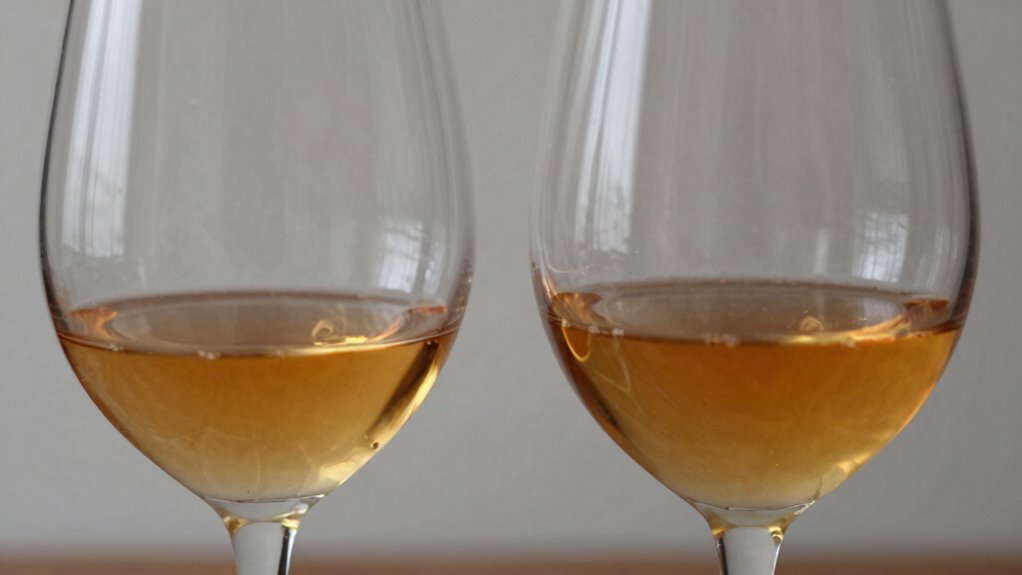
The shape of a cup can considerably influence how you perceive aroma, shaping your sensory experience in subtle but powerful ways. When you lift a cup, your brain doesn’t just process the scent; it interprets it based on the visual cues of the vessel itself. The aesthetic appeal of a cup plays a significant role here—sleek, modern designs can evoke a sense of sophistication, while traditional shapes might evoke comfort or nostalgia. These visual impressions set expectations before you even take a sip, heightening or diminishing your sensory response. For example, a delicately curved tea cup often suggests a refined experience, making the aroma seem more complex and inviting. In contrast, a broader, open mug might diffuse the scent more quickly, reducing the intensity and altering your perception. Cup shape can also influence the way aroma molecules are channeled toward your nose, impacting your overall sensory experience. Additionally, the vessel design can affect how aroma molecules are released and perceived, emphasizing the importance of thoughtful cup selection. Recognizing the aroma diffusion properties of different shapes allows for a more intentional engagement with your beverage.
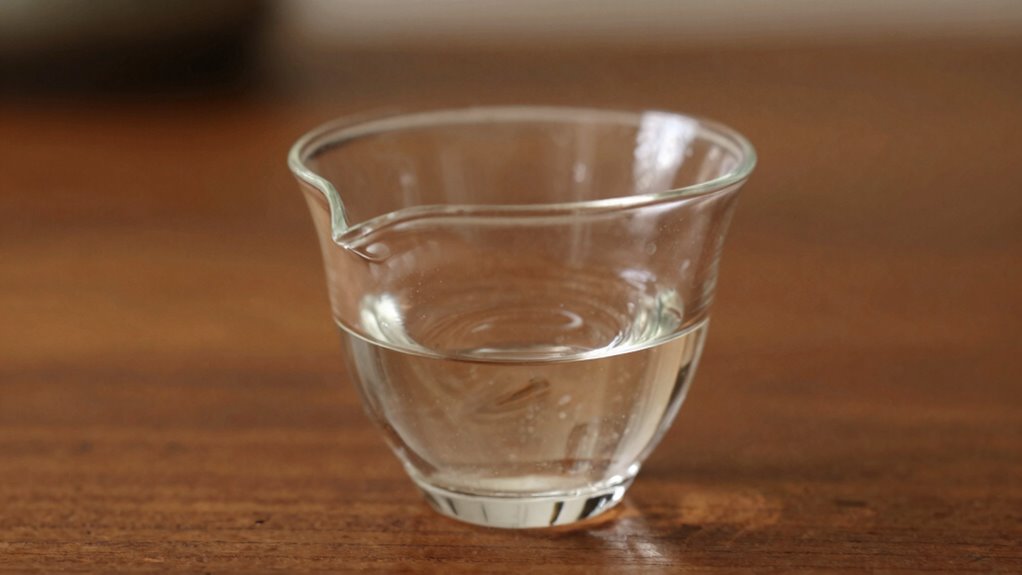
Cultural influences also deeply inform how you perceive aroma through cup shape. Different cultures have developed specific vessel designs that align with their traditions and sensory expectations. In Japan, small, thick-walled cups are used for matcha, emphasizing a focused, immersive experience with concentrated aromas. Meanwhile, European cultures often favor larger, tulip-shaped coffee cups that concentrate aroma towards your nose, enhancing the perceived richness of the brew. These cultural preferences shape not only the aesthetic appeal but also the way your nose interacts with the aroma. The shape influences how the scent is directed, whether it’s funneled upward or dispersed outward, affecting your overall perception. Understanding cultural preferences can help you select cups that align with your sensory expectations and cultural appreciation. You may notice that certain shapes naturally enhance specific aroma characteristics. Narrower openings tend to trap volatile compounds, making the scent seem more intense and layered. Wide, open cups allow aromas to escape quickly, sometimes resulting in a lighter perception of scent. The material of the cup also interacts with shape—porcelain or glass, for example, can reflect or absorb aromatic molecules differently. When you understand these subtle influences, you gain more control over your sensory experience, choosing cups that amplify or mellow the aroma to match your mood or the drink’s profile.
Ultimately, how you perceive aroma isn’t just about the liquid inside but also about the vessel holding it. The aesthetic appeal and cultural influences behind cup shapes shape your expectations and sensory responses. By paying attention to these details, you can enhance your appreciation of your favorite beverages, making each sip a more vivid, engaging experience.
As an affiliate, we earn on qualifying purchases.
Frequently Asked Questions
How Does Cup Material Affect Aroma Perception?
The material of your cup considerably influences aroma perception by affecting material insulation and surface texture. Insulating materials trap heat, enhancing aroma release, while those with rough textures can diffuse scents differently than smooth surfaces. When you choose a ceramic or glass cup, you allow better aroma preservation, whereas metal or plastic might dull or alter scents. Pay attention to both material insulation and surface texture to fully enjoy the aroma of your beverage.
Do Different Beverage Types Influence Cup Shape Choices?
Yes, different beverage types influence your cup shape choices. For instance, you select cups with better ergonomics for hot drinks to prevent spills and burns, while opt for aesthetically appealing designs for cocktails to enhance presentation. Your choice depends on how the cup’s ergonomics improves handling and comfort, and how its aesthetic appeal complements the drink’s presentation, making the experience more enjoyable and tailored to each beverage type.
Can Aroma Perception Vary With Cup Color?
Yes, aroma perception can vary with cup color due to visual influence and color psychology. Bright or warm colors might enhance your senses, making aromas seem more intense, while cooler tones could dull your perception. You may notice that a red or yellow cup amplifies fruity or spicy scents, whereas a blue or green cup provides a calmer, subdued experience. Your visual cues directly impact how you perceive aroma, shaping your overall tasting experience.
How Does Temperature Impact Aroma Release in Different Cups?
Temperature fluctuations greatly impact aroma diffusion in different cups. When the liquid is warmer, it releases aroma molecules more rapidly, enhancing your sensory experience. Conversely, cooler temperatures slow down aroma release, making scents less intense. The cup’s material and shape also influence how heat is retained or dispersed, affecting temperature stability. So, maintaining consistent temperature helps you enjoy a fuller, richer aroma, regardless of the cup you choose.
Are There Cultural Preferences for Specific Cup Shapes?
Cultural traditions and aesthetic preferences shape your choice of cup shapes, making each experience unique. Imagine holding a delicate, ornate teacup from Asian traditions or a minimalist, sleek glass from Western cultures—that’s more than just style; it’s a reflection of history and identity. These preferences influence how you perceive aroma and flavor, connecting you deeply to cultural roots and personal taste, enhancing your overall sensory experience.
As an affiliate, we earn on qualifying purchases.
Conclusion
So, next time you sip your tea or coffee, remember that the cup’s shape isn’t just about style—it’s about enhancing your aroma experience. By choosing the right cup, you can *discover* richer scents, making each sip more delightful. Think of it like a secret recipe from the Victorian era, where even the tiniest detail made all the difference. Pay attention to your cup, and let your senses travel through time and aroma, one delightful whiff at a time.
As an affiliate, we earn on qualifying purchases.
As an affiliate, we earn on qualifying purchases.
Halloween Picks
halloween
As an affiliate, we earn on qualifying purchases.