
Your coffee’s flavor depends on factors like origin, processing, and roasting. Coffees from higher elevations or certain regions often offer bright, fruity notes, while beans grown at lower altitudes tend to be richer and chocolatey. Processing methods, like fermentation and drying, also influence these flavors. Light roasts preserve fruity brightness, while dark roasts enhance chocolatey richness. If you want to explore how these elements shape your favorite cup, there’s more to discover below.
Key Takeaways
- Bean variety and genetics influence flavor, with Arabica often being fruity and Robusta tending toward chocolatey notes.
- Growing altitude and terroir affect acidity and richness, shaping whether coffee tastes more fruity or chocolatey.
- Processing methods, such as fermentation and drying, enhance specific flavors like fruity brightness or chocolate depth.
- Roasting levels determine flavor emphasis; light roasts highlight fruity traits, while dark roasts intensify chocolatey flavors.
- Regional origin and climate conditions contribute to characteristic flavor profiles, with certain regions favoring fruity or chocolatey tastes.

Amazon Fresh, Just Bright Whole Bean Coffee Light Roast, 32 Oz
Light roast with a crisp and clean flavor
As an affiliate, we earn on qualifying purchases.
As an affiliate, we earn on qualifying purchases.
How Does Origin and Terroir Influence Coffee Flavor?

Your coffee’s flavor begins long before it reaches your cup, rooted deeply in its origin and the environment where it’s grown. Coffee farming techniques and the climate impact play significant roles in shaping taste. The region’s soil, altitude, and microclimate influence the beans’ development, giving each coffee its unique profile. For example, higher elevations often produce beans with brighter, more acidic notes, while lower altitudes tend to yield richer, chocolatey flavors. Climate factors like rainfall, temperature, and sunlight affect how the beans ripen and develop their aroma. Changes in climate can alter growing conditions, impacting flavor consistency and quality. Additionally, terroir characteristics such as mineral content and soil composition further contribute to the distinctive flavor profiles of different coffees. Recognizing the importance of growing conditions can deepen your appreciation for the nuanced flavors in your cup. The specific microclimate of a coffee-growing region can also significantly influence the overall flavor profile, making each origin uniquely identifiable. Understanding how origin and terroir influence coffee helps you appreciate the complex layers behind each sip, making every cup a reflection of its unique environment.

Chocolate Covered Roasted Espresso Coffee Beans (2 Pound, Dark Chocolate)
Roasted Espresso Beans Covered With Rich Dark Chocolate
As an affiliate, we earn on qualifying purchases.
As an affiliate, we earn on qualifying purchases.
How Do Bean Variety and Genetics Shape Coffee Flavors?
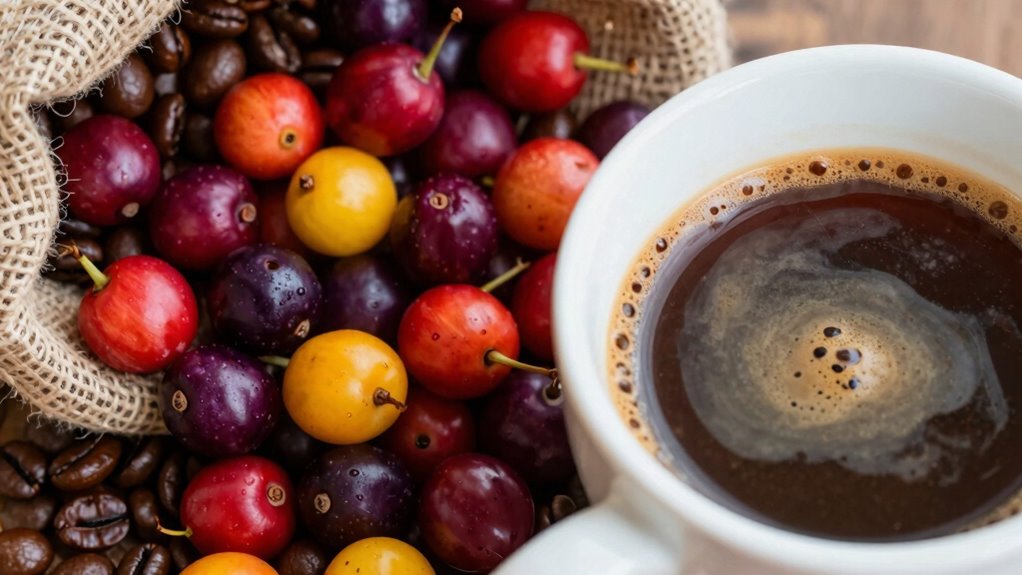
Your choice of coffee bean variety and its genetics directly impact the flavors you experience. Different genetic traits produce beans with unique profiles, from fruity to chocolatey notes. Understanding these factors helps you pick coffees that match your preferred taste. Additionally, color management techniques during processing can influence how these flavors are preserved and showcased. Recognizing the genetic diversity among coffee plants allows growers to cultivate beans tailored for specific flavor profiles. Exploring the plant genetics behind coffee beans can further enhance your appreciation of the intricate factors that shape flavor, including how environmental conditions interact with genetic traits to develop distinct flavor characteristics. Moreover, genetic traits play a crucial role in determining how beans respond to different cultivation environments, ultimately affecting the final flavor profile.
Genetic Factors Influencing Flavors
The flavor profile of coffee beans is considerably shaped by their genetic makeup, with different varieties producing distinct taste characteristics. Genetic diversity plays a critical role, as it introduces unique flavor genetics that influence aroma, acidity, and body. Some beans carry genes that enhance fruity notes, while others favor chocolate or nutty flavors. These genetic factors determine how beans respond to environmental conditions and processing methods, impacting final taste. Understanding flavor genetics helps breeders develop coffee plants with desired flavor profiles, making it possible to cultivate beans tailored to specific tastes. Additionally, genetic variation contributes to the resilience of coffee plants against pests and climate change, ensuring sustainable production. Recognizing how genetic traits influence flavor can guide cultivation practices and improve crop quality. Your appreciation of coffee’s complexity hinges on recognizing how genetics contribute to flavor, emphasizing that every sip reflects a combination of inherited traits and environmental influences.
Bean Variety and Profile
Different coffee bean varieties inherently carry unique flavor profiles that are directly influenced by their genetic makeup. During coffee cultivation, farmers select specific varieties based on desired taste qualities, which are shaped by the plant’s genetics. Some beans, like Arabica, tend to produce nuanced, fruity, and aromatic flavors, while others, like Robusta, often deliver stronger, chocolatey, or earthy notes. Bean hybridization allows breeders to combine traits from different varieties, creating new profiles that can emphasize specific flavor characteristics. These genetic differences influence the bean’s chemical composition, including acids, sugars, and oils, which ultimately determine flavor. Understanding the variety and its genetic background helps you appreciate how specific beans contribute to the taste experience, whether fruity brightness or rich chocolatey depth.

PURE EARTH COFFEE CO. Whole Bean Coffee, Brazil Single-Origin Beans, Dark Roast, Bold Gourmet Specialty Grade Coffee, Chocolate, Walnut, Bold and Smooth Flavor Notes 12oz
This bold Brazilian dark roast delivers a rich, full-bodied experience with deep cocoa tones and a silky finish….
As an affiliate, we earn on qualifying purchases.
As an affiliate, we earn on qualifying purchases.
How Do Processing Methods Bring Out Fruity or Chocolatey Notes?
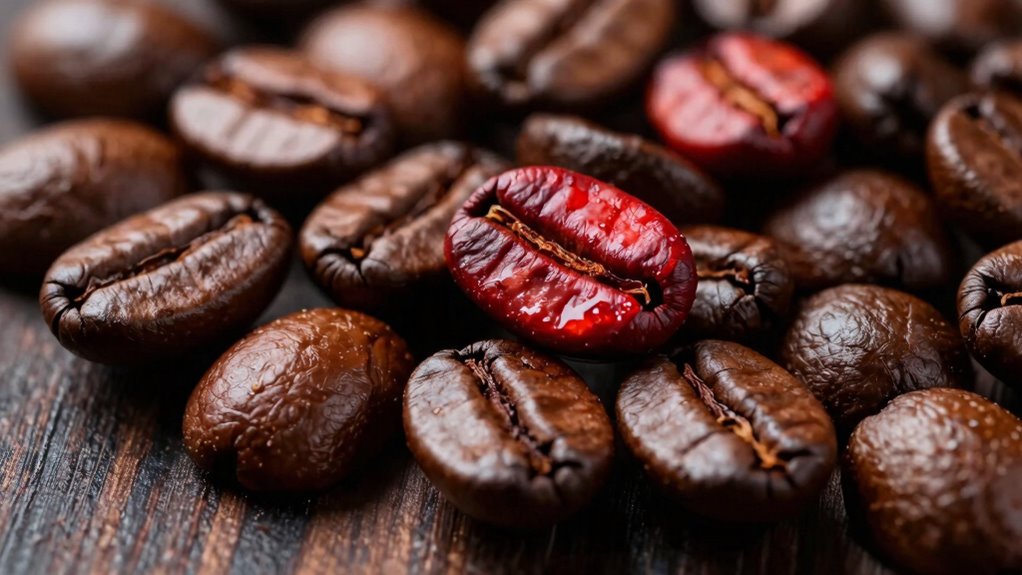
Processing methods play a crucial role in shaping coffee’s flavor profile by influencing how the beans develop their natural aromas and tastes. Coffee fermentation is key—during this stage, microbes break down sugars and acids, which can enhance fruity notes if controlled carefully. Longer, slower fermentation often amplifies these bright, fruity flavors, while shorter fermentation might preserve more of the bean’s inherent chocolatey qualities. Drying techniques also impact flavor development; sun-drying tends to preserve vibrant, fruity characteristics by promoting gentle, even moisture loss. On the other hand, mechanical or shade drying can sometimes lock in deeper, chocolatey tones by controlling temperature and humidity. Together, these processing choices directly influence whether your coffee tastes more fruity or chocolatey.

Mt. Comfort Coffee Organic Peru Medium Roast, 2.5 Pounds – Flavor Notes of Nutty, Chocolate, & Citrus – Sourced From Small, Peruvian Coffee Farms – Roasted Whole Beans
Premium Grade Whole Bean Coffee – The Organic Peru Medium Roast is a single-origin smooth coffee
As an affiliate, we earn on qualifying purchases.
As an affiliate, we earn on qualifying purchases.
How Does Roasting Change Coffee’s Taste and Aroma?
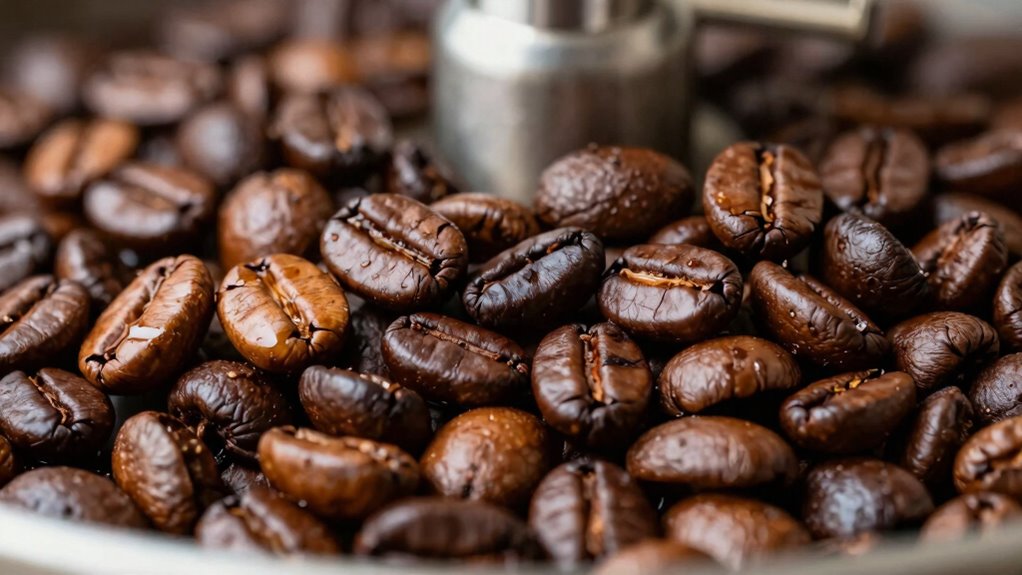
As coffee roasts, chemical reactions like the Maillard process develop new flavors and deepen aromas. Caramelization of sugars adds sweetness and complexity, transforming the taste profile. These changes lead to the rich, inviting scents and flavors that define different roast levels.
Maillard Reaction Development
Have you ever wondered how roasting transforms green coffee beans into the aromatic brew you enjoy? The Maillard reaction plays a key role by creating complex flavor compounds that define coffee aroma. During roasting, heat triggers chemical reactions between amino acids and sugars, developing deeper, richer flavors. These reactions influence the balance of fruity versus chocolatey notes, depending on roasting intensity. Light roasts preserve more of the original bean’s delicate aromas, often highlighting fruity qualities. Darker roasts enhance the Maillard reaction, producing bolder, roasted flavors with chocolatey undertones. Your brewing techniques also impact how these flavors emerge; for example, a quick extraction may highlight brighter notes, while a longer brew emphasizes the deeper, roasted qualities. Understanding this process helps you appreciate how roasting shapes your coffee’s unique taste profile.
Caramelization of Sugars
When coffee beans are roasted, sugars within them undergo a transformation called caramelization, which considerably impacts the drink’s taste and aroma. This process develops rich, sweet notes and adds depth to your coffee. As sugars break down, they produce compounds that create caramel-like flavors, influencing your overall experience. Proper coffee storage prevents premature caramelization, ensuring freshness. The roasting level directly affects caramelization: darker roasts intensify these flavors, while lighter roasts preserve more fruitiness. When brewing, techniques like espresso extraction highlight caramel notes, while pour-over methods emphasize the bean’s original qualities. Visual cues, such as a shiny surface or oily appearance, hint at caramelization’s progress. Ultimately, this transformation shapes whether your coffee tastes sweeter, richer, or more complex.
Flavor Compound Formation
Roasting transforms coffee beans by triggering complex chemical reactions that create a wide array of flavor compounds, shaping the final taste and aroma of your brew. These reactions develop the coffee’s unique aroma profile, influencing whether it tastes fruity or chocolatey. As beans roast, volatile compounds form, adding brightness or richness to the coffee aroma. The formation of these flavor compounds depends on roasting duration and temperature, which you can control with different brewing techniques. Light roasts preserve more of the original fruity notes, while darker roasts enhance chocolatey, roasted flavors. By understanding how roasting impacts flavor compound formation, you can select brewing methods that highlight specific tastes, making your coffee experience more personalized and satisfying.
How Can You Taste and Identify Fruitiness Versus Chocolate Notes?
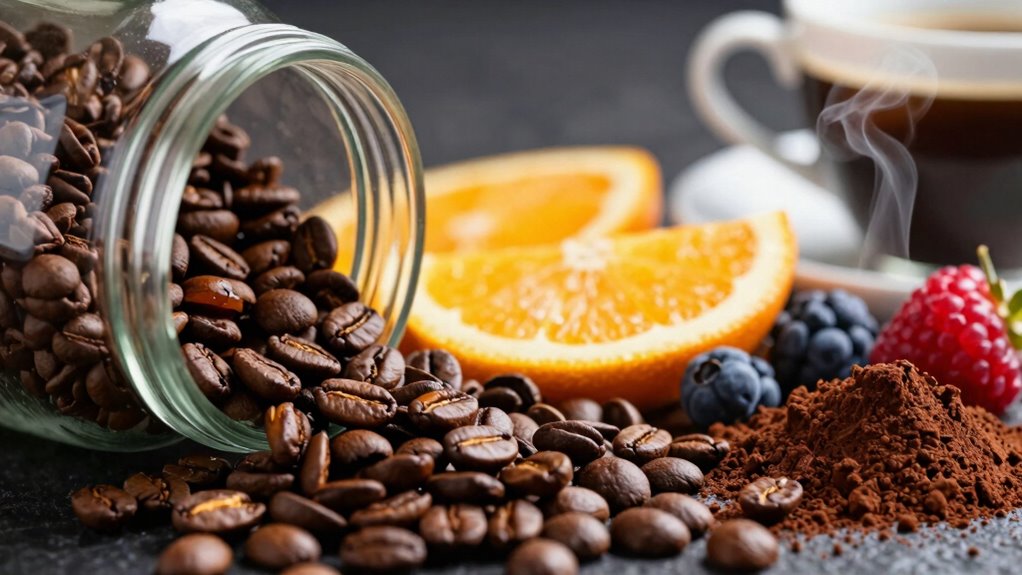
To distinguish fruity from chocolatey notes in coffee, you need to pay close attention to how each flavor manifests on your palate and in your nose. Using a flavor wheel and tasting techniques can help you identify these subtleties. Fruity notes often come across as bright, vibrant, and tangy, reminiscent of berries, citrus, or stone fruits. Chocolate notes tend to be richer, smoother, and more subdued, with hints of cocoa or dark chocolate. To sharpen your perception, consider these aspects:
- *Aromas*: Fruity scents are often sharp and fresh, while chocolatey aromas are warm and mellow.
- *Taste*: Fruity flavors are lively and acidic, contrasting with the creamy, velvety feel of chocolate notes.
- *Finish*: Fruitiness tends to leave a crisp, lingering aftertaste, whereas chocolate notes fade slowly and smoothly.
- Paying attention to flavor profile can enhance your ability to differentiate these taste characteristics more accurately.
How to Choose Coffee Based on Your Flavor Preferences

Understanding your flavor preferences helps you select coffees that truly satisfy your palate. If you prefer fruity notes, look for beans from regions like Ethiopia or Kenya, and experiment with lighter roasting profiles. For chocolatey flavors, opt for darker roasts from regions like South America or Indonesia. To highlight these qualities, choose the right coffee brewing techniques—pour-over or Aeropress can accentuate fruitiness, while French press or espresso may bring out richer, chocolatey notes. Proper coffee storage methods are also key; keep beans in an airtight container away from light and heat to preserve their flavor profile. Paying attention to regional coffee characteristics can further enhance your selection process. By aligning your brewing methods and storage habits with your taste preferences, you’ll enjoy a more personalized and satisfying coffee experience.
Frequently Asked Questions
Can Brewing Methods Affect the Fruity or Chocolatey Flavors in Coffee?
Yes, brewing methods can influence whether your coffee tastes fruity or chocolatey. The way you brew affects flavor extraction, highlighting different notes. For example, pour-over methods emphasize delicate, fruity flavors, while French press brewing extracts richer, chocolatey tones. Additionally, bean roasting impacts flavor profiles, with lighter roasts highlighting fruitiness and darker roasts emphasizing chocolatey qualities. So, your brewing technique and roast level both shape your coffee’s final taste.
How Does Storage Impact the Flavor Profile of Coffee Beans?
Your coffee’s flavor can be dramatically affected by storage, like a butterfly transforming through its life. Proper storage preserves the coffee bean genetics, keeping fruity or chocolatey notes intact. Avoid air, light, and moisture to prevent flavor degradation. Roasting techniques also influence this, but if you store beans poorly, you risk losing those nuanced flavors. Keep your beans airtight, cool, and dark to enjoy the full spectrum of your coffee’s taste.
Are There Specific Coffee Regions Known for Fruity or Chocolatey Tastes?
You’ll find that certain regions are famous for specific tasting notes and flavor profiles. For example, coffees from Ethiopia often deliver fruity tasting notes like berries and citrus, while those from Colombia or Brazil tend to have richer, chocolatey flavors. These regional differences are influenced by altitude, climate, and processing methods, shaping the unique flavor profiles. So, exploring regional coffees helps you discover whether you prefer fruity or chocolatey tastes.
What Role Does Water Quality Play in Extracting Flavors?
Water quality plays a vital role in extracting coffee flavors. When water has the right mineral content, it enhances the coffee’s natural tastes without overpowering them. A balanced pH level guarantees ideal extraction, highlighting fruity or chocolatey notes. Too hard or soft water can dull flavors or create bitterness. By using water with proper mineral content and pH balance, you help bring out the coffee’s best, most vibrant flavors.
Can Aging Coffee Beans Change Their Flavor Characteristics?
Aging coffee beans can change their flavor, mainly due to fermentation effects and bean maturity. As beans age, fermentation alters their chemical composition, often leading to a more mellow, sometimes dull taste. If beans are overly mature when harvested, their natural flavors may become muted or develop different profiles. So, aging can introduce subtle shifts, but it’s essential to balance aging duration to preserve desirable flavors without losing freshness.
Conclusion
Ultimately, exploring coffee’s diverse flavors is like discovering a hidden treasure chest of sensations. Whether you find yourself enchanted by fruity brightness or captivated by chocolatey depths, there’s a brew waiting to whisper your name. Embrace the journey of tasting and learning, and let each cup be a gentle invitation to deepen your appreciation. After all, in the world of coffee, the sweetest discoveries often come when you’re least expecting them—so keep sipping and savoring every moment.