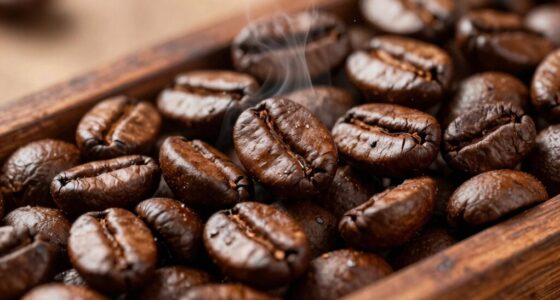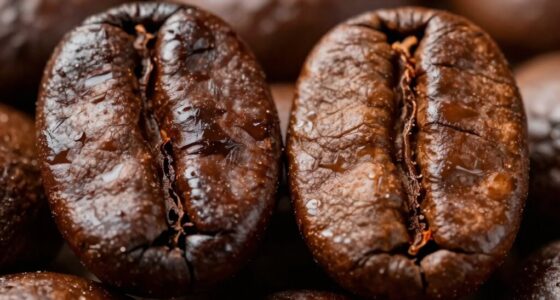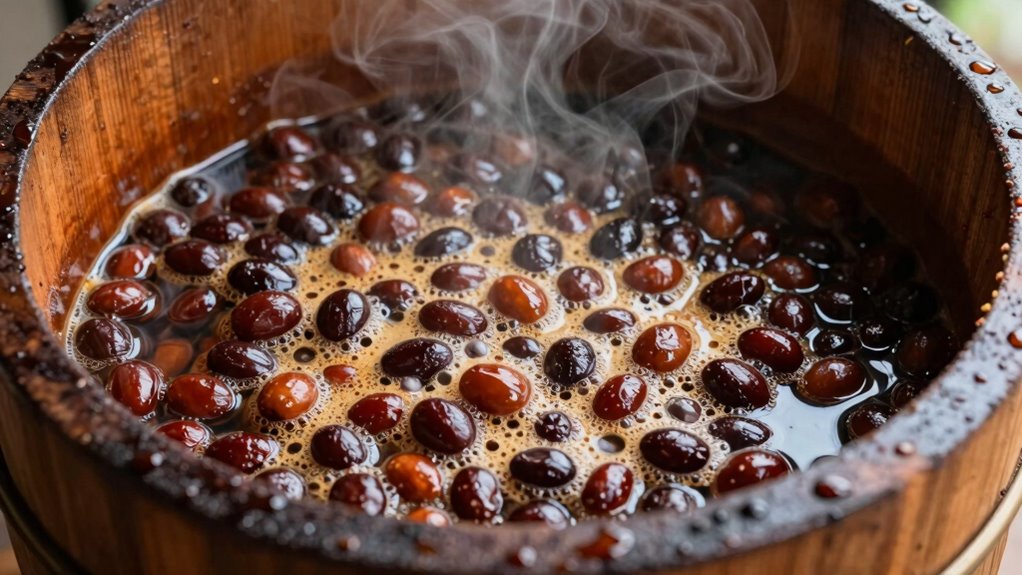

Coffee fermentation isn’t just a trendy word—it’s an essential step that deeply influences your cup’s flavor, aroma, and texture. It involves breaking down the mucilage around the beans, which affects the final taste and complexity. Different fermentation methods, like wet or natural processing, create unique profiles from bright and crisp to layered and fruity. If you keep exploring, you’ll discover how mastering fermentation enhances your appreciation for the craftsmanship behind each brew.
Key Takeaways
- Fermentation fundamentally influences coffee’s flavor, aroma, and texture, making it a crucial step in quality production.
- Different fermentation techniques, like wet and dry methods, produce distinct, complex flavor profiles.
- Proper control of fermentation conditions is essential to avoid off-flavors and ensure clarity and balance.
- Fermentation’s scientific and artisanal aspects elevate coffee from a simple beverage to a crafted sensory experience.
- Recognizing fermentation’s role underscores its importance beyond trends, as it directly impacts coffee quality and uniqueness.
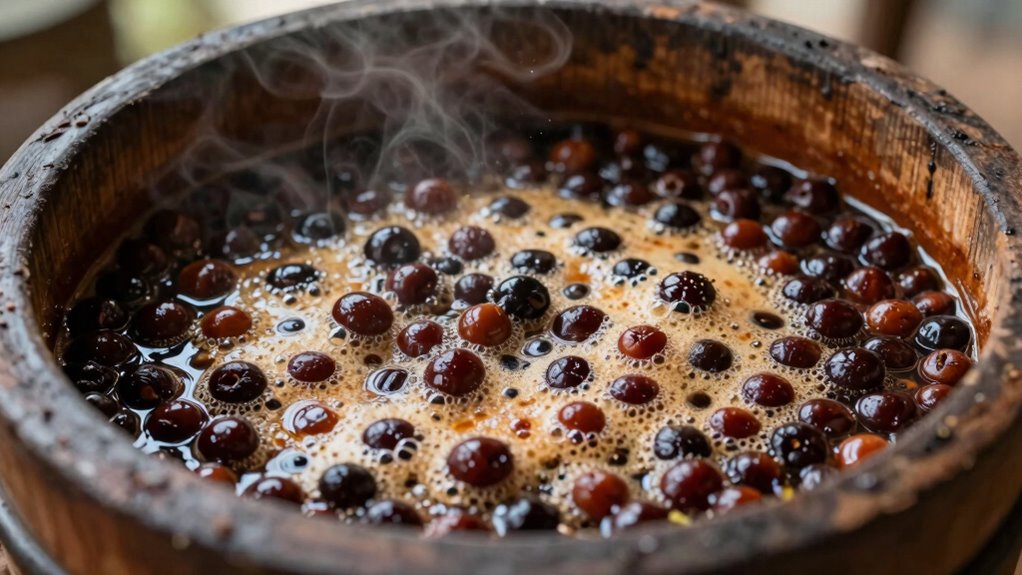
Have you ever wondered what happens to coffee beans before they reach your cup? It’s not just about harvesting and roasting; fermentation plays a crucial role in shaping the flavor profile you experience. This process isn’t a trendy buzzword but a vital step that impacts the flavor complexity of your coffee. When coffee cherries are harvested, they contain the beans along with mucilage, a sticky layer that needs to be broken down. Fermentation techniques are used to facilitate this breakdown, allowing the mucilage to ferment and eventually be washed away. This step is essential because it influences the final taste, aroma, and texture of the coffee.
Fermentation is a vital step that shapes the flavor, aroma, and texture of your coffee.
The way fermentation is handled can significantly alter the beans’ flavor profile. Some producers opt for traditional wet fermentation, where cherries are submerged in water for a set period. This method encourages consistent fermentation and clean flavors, often resulting in bright, crisp cups with well-defined acidity. Others experiment with dry fermentation or natural processing, where cherries are left to ferment in the sun or in controlled environments. These techniques tend to produce more complex, layered flavors, sometimes with fruity or wine-like notes. The choice of fermentation technique directly affects the flavor complexity you’ll notice in the cup, making each coffee unique depending on how it’s processed. Additionally, understanding fermentation techniques helps producers control the flavor development more precisely, leading to higher quality coffees. Developing a deeper understanding of fermentation science allows producers to refine their methods and harness more nuanced flavor profiles.
Fermentation isn’t just about breaking down mucilage; it’s a delicate balance. Too little fermentation can leave behind residual mucilage that impacts flavor clarity, while over-fermentation might introduce unwanted sourness or off-flavors. Skilled producers monitor temperature, humidity, and fermentation time carefully to ensure the beans develop desirable characteristics. In recent years, advances in fermentation science have allowed producers to experiment with controlled fermentation environments, further expanding the range of flavors achievable. This attention to detail allows them to craft coffees with nuanced profiles, showcasing the diversity of flavors that fermentation techniques can unlock. It’s this meticulous process that elevates coffee from a simple beverage to a complex sensory experience.
Ultimately, understanding fermentation’s role helps you appreciate the craftsmanship behind your favorite brew. It’s not just about the beans or the roast; it’s about the intricate processes that transform raw cherries into a complex, flavorful cup. Next time you sip your coffee, consider the fermentation techniques that shaped its taste. Recognizing how this step influences flavor complexity gives you a deeper connection to what’s in your mug. It reminds you that coffee isn’t just a drink—it’s a product of careful science and artistry, where fermentation plays a starring role in delivering the rich, layered flavors you enjoy.
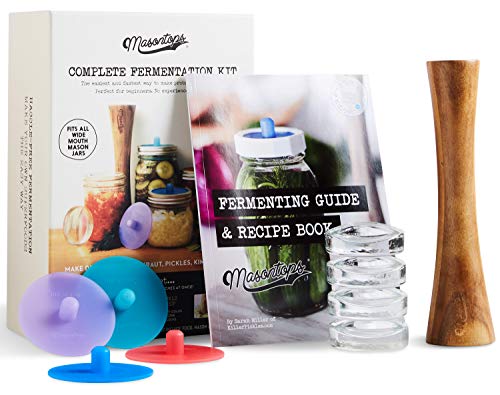
Masontops Complete Mason Jar Fermentation Kit – Pickle Kit, Sauerkraut Making Kit Kimchi Container – Fermentation Airlock Lids Wide Mouth Mason Jars
MASONTOPS COMPLETE MASON JAR FERMENTATION KIT: Includes all the tools needed to turn your ordinary wide mouth mason…
As an affiliate, we earn on qualifying purchases.
As an affiliate, we earn on qualifying purchases.
Frequently Asked Questions
How Does Fermentation Affect Coffee Flavor Profiles?
Fermentation markedly influences your coffee’s flavor profiles by enhancing flavor complexity and aroma. During fermentation, natural sugars break down, developing unique taste notes like fruity, floral, or wine-like qualities. It also boosts aroma enhancement, making the coffee more fragrant and inviting. As a result, fermented coffee offers a richer, more layered experience, allowing you to savor nuanced flavors that aren’t present in non-fermented beans.
What Are the Main Types of Coffee Fermentation Processes?
They say “a chain is only as strong as its weakest link,” and that’s true for coffee fermentation. The main types are washed (or wet), natural (or dry), and honey fermentation processes. Your choice of fermentation techniques depends on your coffee bean selection and desired flavor. Each method influences acidity and body, so experiment to find what best complements your beans and enhances their unique character.
Can Fermentation Improve Coffee Shelf Life?
Yes, fermentation techniques can improve coffee shelf life. By controlling fermentation during processing, you reduce microbial activity that causes spoilage, which helps preserve coffee beans longer. Proper fermentation enhances bean quality and stability, making them less prone to mold or staling. For ideal coffee storage, combining effective fermentation techniques with airtight containers and cool, dry conditions ensures your coffee stays fresh and flavorful for an extended period.
Are There Risks Associated With Unregulated Fermentation?
You might not realize it, but unregulated fermentation can pose risks, especially with regulation challenges. Without proper oversight, harmful bacteria or molds could develop, jeopardizing consumer safety. You could unknowingly consume contaminated coffee, risking health issues. So, while fermentation can enhance flavor, it’s essential that strict standards are in place to guarantee safety. Otherwise, the process might backfire, turning a beneficial technique into a health hazard.
How Does Fermentation Impact Coffee Bean Quality?
Fermentation critically impacts coffee bean quality by enhancing flavor profiles and aroma, thanks to fermentation techniques that allow natural processes to occur. During fermentation, coffee bean enzymes break down sugars and mucilage, developing complex flavors and reducing bitterness. Properly controlled fermentation improves consistency and quality, while poor techniques can lead to off-flavors or spoilage. So, mastering fermentation is essential for producing high-quality, desirable coffee beans.

Fastrack Twin Bubble Airlock and Carboy Bung (2-Pack) | Fermentation Airlocks for Homebrewing Beer, Wine, Mead, and Kombucha
WHAT'S INCLUDED: With this purchase, you'll receive two twin bubble airlocks and two universal-fit carboy bungs for managing…
As an affiliate, we earn on qualifying purchases.
As an affiliate, we earn on qualifying purchases.
Conclusion
You might not realize it, but fermentation is a game-changer for coffee flavor. Did you know that properly fermented beans can increase flavor complexity by up to 30%? That’s a huge leap in quality, transforming your morning cup into a richer experience. So, next time you savor your brew, remember that fermentation isn’t just a trend—it’s an essential step that reveals the coffee’s full potential. Embrace the process and taste the difference.

Apexstone Coffee Stirrer Tool, Coffee Stirring Tamper WDT Distribution Tool, Needle Distribution Tool Espresso, WDT Tool Espresso with Stand Black, WDT Tool Espresso Needle
This Espresso coffee stirrer is made of 7 pieces 304 stainless steel needles that are 0.3 mm in…
As an affiliate, we earn on qualifying purchases.
As an affiliate, we earn on qualifying purchases.

Colombian Specialty Coffee Whole Bean Medium Roast Arabica Bourbon Variety Gourmet Fresh Roasted Low Acid Balanced Flavor Rich Aroma Smooth Notes Single Origin High Altitude Gift Ready 8.8oz 250g
☕️ COLOMBIAN CHIROSO BOURBON COFFEE – FLORAL AROMA THAT LASTS EVEN AFTER OPENING: Discover this rare Colombian specialty…
As an affiliate, we earn on qualifying purchases.
As an affiliate, we earn on qualifying purchases.