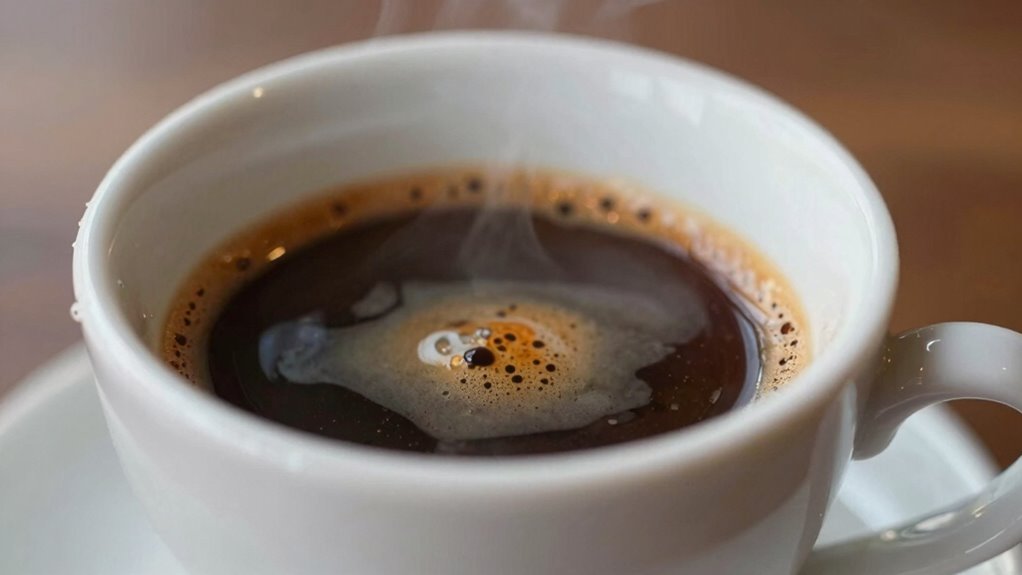
When you drink coffee on an empty stomach, it hits harder because no food slows down caffeine absorption, allowing it to enter your bloodstream quickly. Plus, without food, your stomach produces more gastric acid, which can amplify coffee’s stimulating effects and cause discomfort. This higher acid level and faster absorption boost alertness and jitters. To understand how these factors work together and what you can do, keep exploring the details.
Key Takeaways
- Coffee is absorbed faster on an empty stomach, leading to a quicker and more intense caffeine peak.
- Lack of food increases gastric acid, amplifying coffee’s stimulating and irritating effects.
- Faster caffeine absorption on an empty stomach heightens alertness and jitters.
- Elevated gastric acid can cause discomfort or acid reflux, intensifying coffee’s impact.
- Consuming coffee without food results in a more pronounced, immediate energetic response.
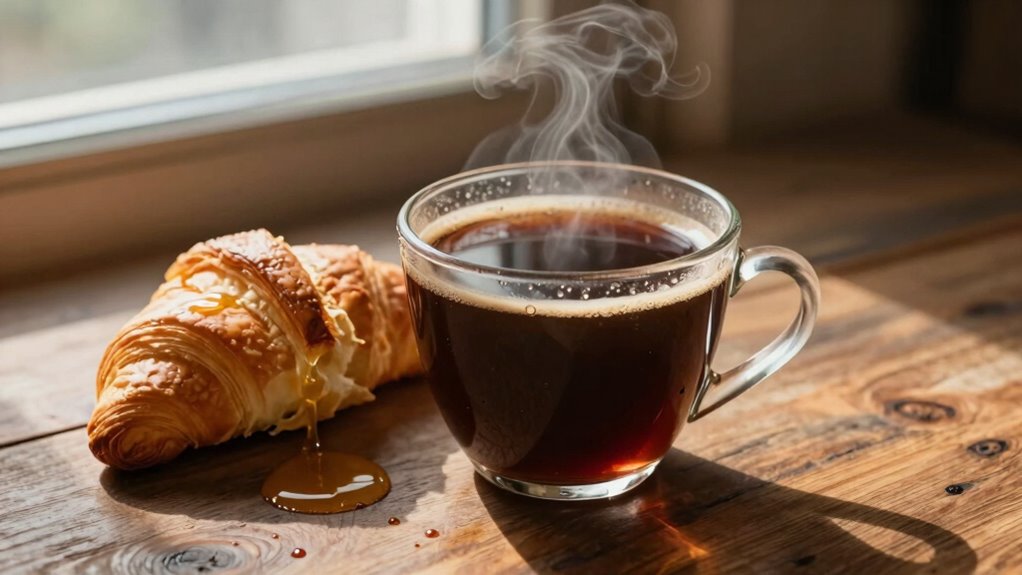
If you’ve ever noticed that your morning coffee feels more intense when your stomach is empty, you’re not imagining things. That heightened sensation comes down to how your body processes caffeine and the state of your digestive system. When your stomach is empty, your body is primed to absorb caffeine more quickly because there’s less food to slow down its passage. This rapid absorption means caffeine reaches your bloodstream faster, amplifying its effects—making you feel more alert, jittery, or even anxious.
Empty stomach speeds up caffeine absorption, intensifying alertness and jitters.
Caffeine metabolism plays a big role here. When you drink coffee on an empty stomach, your liver processes caffeine more swiftly, resulting in a quicker peak in caffeine levels. The faster your body metabolizes caffeine, the sooner you experience its stimulating effects. Conversely, if you’ve eaten recently, food can delay caffeine absorption, dulling the immediate punch you feel from your brew. This is because food, especially high-fat or high-protein meals, takes longer to digest and can slow down the rate at which caffeine enters your bloodstream.
Gastric acid production also influences how coffee affects you on an empty stomach. Your stomach naturally produces acid to help break down food, but when there’s no food present, the acid can become more concentrated. Coffee itself stimulates this acid production, which, in the absence of food, can lead to discomfort or even gastrointestinal issues like acid reflux. This heightened gastric acid can also speed up the digestion process slightly, which may make the effects of caffeine hit harder and faster. The increased acidity can cause your stomach to feel more upset or cause sensations of heartburn, especially if you’re sensitive to these effects. Interestingly, individual differences in gastric acid production can significantly influence how strongly you experience these effects.
Additionally, drinking coffee on an empty stomach can trigger a cascade of hormonal responses. The rapid caffeine spike stimulates your nervous system, increasing adrenaline levels and making you feel more alert. At the same time, the elevated gastric acid might irritate your stomach lining, which could further enhance the discomfort or the intensity of caffeine’s effects. Furthermore, the gastric acid response can vary depending on individual sensitivity, influencing how strongly you experience these effects. Some people may experience more discomfort or heightened effects due to their unique gastric acid levels, highlighting the importance of paying attention to your body’s signals.
Moreover, staying aware of your individual gastric acid levels can help you better understand and manage your reactions to coffee on an empty stomach. In short, when your stomach is empty, your body processes caffeine more efficiently, and your gastric acid production is heightened, both of which contribute to that sharper, more immediate coffee hit. If you want to enjoy your coffee without the jitters or stomach upset, consider having a small snack first. Doing so slows caffeine absorption and buffers the acid response, leading to a smoother, more controlled energy boost.

STANLEY Transit FlipTop Mug | Leakproof Coffee Travel Cup | Vacuum Insulated Stainless Steel | Stays Hot or Cold for Hours | BPA-Free | 16 oz | Ash
- Lightweight and Leakproof: 33% lighter with AeroLight technology
- All-Day Temperature Control: Keeps drinks hot 6h, cold 8h, iced 30h
- Flip-Top Spill-Free Lid: Secure, leakproof flip-top for easy sipping
As an affiliate, we earn on qualifying purchases.
As an affiliate, we earn on qualifying purchases.
Frequently Asked Questions
Can Drinking Water Before Coffee Reduce Its Intensity?
Yes, drinking water before coffee can reduce its intensity. Hydration benefits help your body absorb water more effectively, which can dilute the stomach acid and slow caffeine absorption. By increasing water intake beforehand, you help improve water absorption, potentially lessening coffee’s stimulating effects and reducing jitters or stomach upset. This simple step can make your coffee experience smoother, especially if you’re sensitive to caffeine’s stronger effects on an empty stomach.
Does the Type of Coffee Affect Its Impact on an Empty Stomach?
Your coffee choice can turn your morning into a battlefield. Dark roasted beans, with their intense flavors, often lead to faster caffeine absorption, making the effects hit harder on an empty stomach. Lighter roasts tend to be gentler, as their acidity and compound composition influence absorption rates. So, the type of coffee you drink directly impacts how strongly caffeine affects you, especially when your stomach’s empty, amplifying that invigorating rush.
How Long Before Breakfast Should I Drink Coffee?
You should drink coffee about 30 minutes before breakfast to enjoy its flavor profiles without upsetting your stomach. This timing lets the brewing methods and flavor nuances develop fully, giving you a richer experience. If you prefer a lighter taste, opt for brewing methods like pour-over or French press. Drinking too early might cause acidity issues, so aim for that window to savor your coffee’s complexity while preventing discomfort.
Are There Health Risks to Drinking Strong Coffee on an Empty Stomach?
Like a knight facing a dragon, drinking strong coffee on an empty stomach can pose health risks. You might experience acidity concerns, leading to heartburn or stomach upset, and digestive issues that disrupt your day. Coffee’s acidity can irritate your stomach lining without food to buffer it. If you enjoy your brew, consider eating first or choosing a milder roast to minimize these risks and keep your stomach happy.
Does Coffee’s Acidity Vary Depending on Stomach Conditions?
Yes, coffee’s acidity can vary depending on your stomach conditions. If you have a low stomach pH or increased acid sensitivity, coffee’s acidity may cause discomfort or irritation. On the other hand, people with higher stomach pH levels might not feel these effects as strongly. The acidity mainly impacts those with sensitive stomachs, so paying attention to how your stomach reacts can help you enjoy coffee without discomfort.
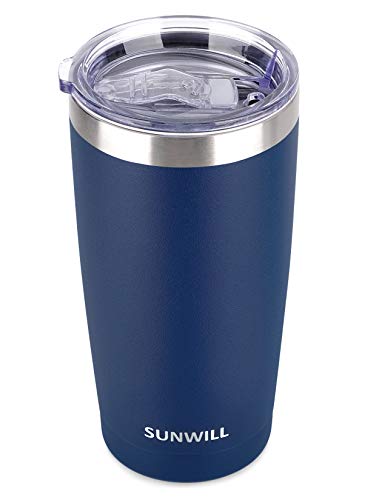
SUNWILL Travel Coffee Tumbler 20 oz, Insulated Mug with Lid, Stainless Steel Cup for Outdoor, Powder Coated Navy
- Capacity: 20 oz insulated tumbler
- Insulation Technology: Double-wall vacuum insulation
- Temperature Retention: Keeps drinks hot 6+ hours, cold 24 hours
As an affiliate, we earn on qualifying purchases.
As an affiliate, we earn on qualifying purchases.
Conclusion
So, next time you’re tempted to sip your coffee first thing in the morning, think twice. Drinking on an empty stomach amplifies caffeine’s effects—making you feel more alert, but also more anxious or jittery. Did you know that nearly 60% of coffee drinkers experience a stronger jolt when they skip breakfast? It’s a small change that can make a big difference in how you enjoy your brew and start your day.
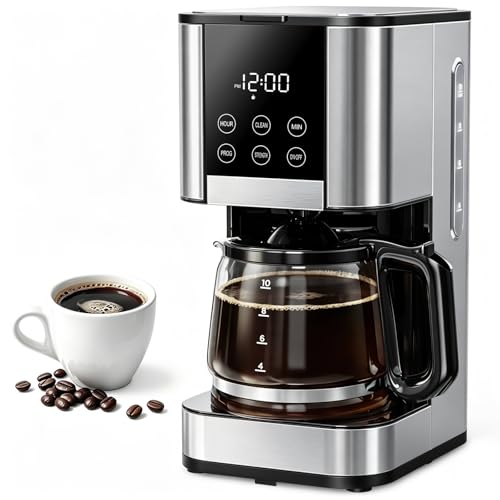
10 Cup Programmable Drip Coffee Maker, Adjustable Brew Strength, Pause & Serve, Heat Resistant Glass Carafe, Permanent Filter, Auto Shut Off, Stainless Steel, Compact Coffee Machine for Home Office
- Large Capacity: Brews 10 cups for family and guests
- 24-Hour Programmable: Pre-set brew time in advance
- Pause & Serve: Quickly pour mid-brew without spills
As an affiliate, we earn on qualifying purchases.
As an affiliate, we earn on qualifying purchases.

Amazon Basics Basket Coffee Filters for 1-4 Cup Coffee Makers, White, 200 Count
- Compatibility: Fits most 1-4 cup coffee makers
- Eco-Friendly: Compostable to ASTM D6868-11 standard
- Country of Origin: Assembled in the USA
As an affiliate, we earn on qualifying purchases.
As an affiliate, we earn on qualifying purchases.