
TL;DR
A chef has unveiled a new pasta recipe that combines colatura di alici, ’nduja, lemon, and yellow cherry tomatoes. This innovative dish highlights bold flavors and regional ingredients, attracting culinary interest. Details about its reception and availability are still emerging.
An Italian chef has introduced a new pasta recipe that combines colatura di alici, ’nduja, lemon, and yellow cherry tomatoes. The dish is gaining attention for its innovative use of regional ingredients and bold flavor profile, highlighting a trend toward creative reinterpretations of traditional Italian cuisine. While details about its full menu inclusion or commercial availability are still emerging, the recipe itself has been shared in culinary circles and social media, sparking interest among food enthusiasts.
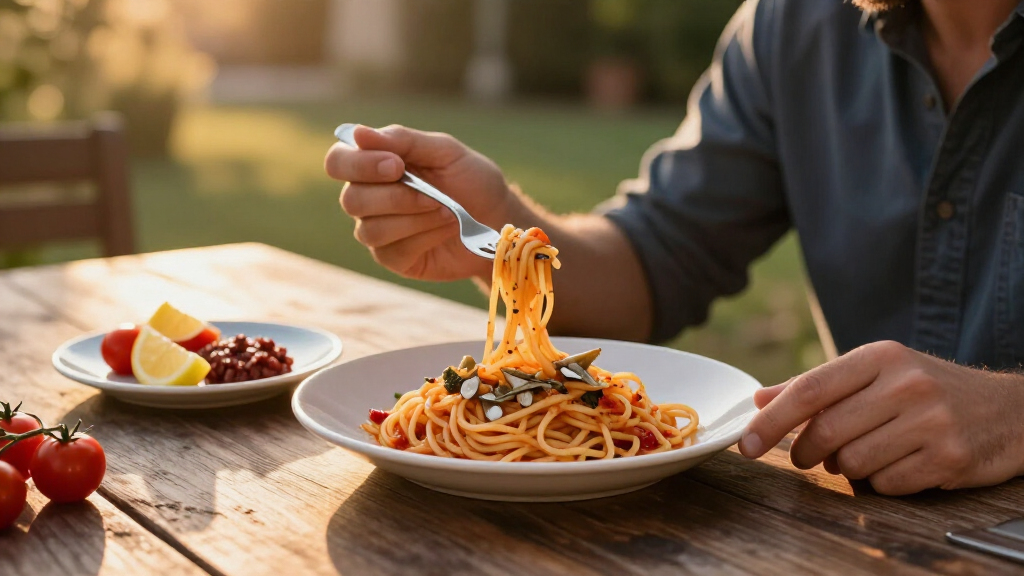
The new pasta dish features colatura di alici, a traditional Italian fish sauce from Campania, combined with ’nduja, a spicy Calabrian spread made from pork and chili. The recipe also incorporates fresh lemon zest and juice, along with yellow cherry tomatoes, creating a bright, savory, and slightly spicy flavor profile. According to the chef behind the creation, the combination aims to balance umami, heat, acidity, and sweetness, offering a fresh take on classic ingredients.
The dish is prepared by cooking spaghetti al dente and tossing it with a sauce made from the melted ’nduja, a drizzle of colatura di alici, lemon zest, and halved yellow cherry tomatoes. The ingredients are combined quickly to preserve freshness and brightness. The chef suggests serving it with a sprinkle of fresh herbs and a drizzle of good-quality olive oil, emphasizing simplicity and quality.
Since its debut, the recipe has circulated on social media and in culinary blogs, with many praising its bold flavor combination. Some chefs have expressed interest in adding it to their menus, though it is not yet confirmed whether it will become a permanent offering at any restaurant or remain a chef’s special.
Unique Fusion of Traditional Italian Flavors
This new pasta recipe exemplifies a trend toward blending regional ingredients to create innovative dishes that respect tradition while pushing culinary boundaries. The combination of colatura di alici and ’nduja highlights Italy’s diverse regional flavors, while the addition of lemon and yellow cherry tomatoes introduces a fresh, modern twist. Such creations can influence restaurant menus and inspire home cooks to experiment with regional ingredients in new ways, potentially expanding the appreciation of Italy’s culinary diversity.
Moreover, the dish’s emphasis on high-quality, simple ingredients aligns with current consumer preferences for authentic, ingredient-driven cuisine. Its popularity on social media indicates a growing interest in innovative Italian dishes that combine tradition with contemporary tastes.
As an affiliate, we earn on qualifying purchases.
Emerging Trends in Italian Culinary Innovation
Over recent years, Italian cuisine has seen a surge in creative reinterpretations that emphasize regional ingredients and bold flavors. Chefs are increasingly blending traditional elements like colatura di alici from Campania and ’nduja from Calabria with modern cooking techniques and presentation styles. This reflects a broader trend toward culinary innovation within Italy, driven by chefs seeking to showcase regional diversity and attract new audiences.
The recent introduction of this pasta dish fits into this pattern, as chefs experiment with flavor combinations that highlight Italy’s rich gastronomic heritage while appealing to contemporary palates. Similar dishes have gained popularity in high-end restaurants and food festivals, signaling a shift toward more adventurous, ingredient-focused Italian cooking.
While traditional recipes remain central, this trend underscores a willingness among chefs to reinterpret and elevate regional ingredients, making them accessible and appealing to a global audience.
“This dish is about balancing the intense umami of colatura di alici with the spicy warmth of ’nduja, accented by the brightness of lemon and the sweetness of yellow cherry tomatoes. It’s a celebration of Italy’s regional flavors in a simple, elegant pasta.”
— Chef Marco Rossi
spaghetti pasta with ’nduja and lemon
As an affiliate, we earn on qualifying purchases.
As an affiliate, we earn on qualifying purchases.
Details on Commercial Availability Still Unclear
It is not yet confirmed whether this pasta dish will be added to restaurant menus on a wider scale or remain a chef’s specialty. The recipe has been shared informally and on social media, but no official restaurant or food brand has announced plans for commercial distribution or mass production. The reception among the broader public and industry insiders remains to be seen, and further details about its availability are expected in the coming weeks.
As an affiliate, we earn on qualifying purchases.
Monitoring Adoption and Reception of the Dish
Food industry observers and culinary enthusiasts will be watching to see if the dish gains popularity in restaurants or appears in food festivals. Chefs may experiment with variations or incorporate it into seasonal menus. Additionally, media coverage and social media reactions will influence whether it becomes a trending dish or remains a niche creation. Further announcements from chefs or restaurants are anticipated as interest grows.
As an affiliate, we earn on qualifying purchases.
Key Questions
What ingredients are used in this pasta dish?
The dish features spaghetti, colatura di alici, ’nduja, lemon (zest and juice), and yellow cherry tomatoes. It may also include olive oil and herbs for garnish.
Is this dish available in restaurants now?
Currently, it is not confirmed whether the dish is available at any restaurant. It has been shared as a recipe and on social media, but widespread availability has not been announced.
What makes this pasta dish innovative?
The dish combines traditional regional ingredients—colatura di alici and ’nduja—with fresh elements like lemon and yellow cherry tomatoes, creating a bold, modern flavor profile that reinterprets classic Italian cuisine.
Who created this recipe?
The recipe was introduced by Chef Marco Rossi, an Italian chef known for blending regional flavors with contemporary techniques.
Could this dish influence future Italian cuisine trends?
Yes, its innovative use of regional ingredients and flavor balancing could inspire other chefs to experiment with traditional elements, potentially shaping future culinary trends in Italy and beyond.
Source: rss