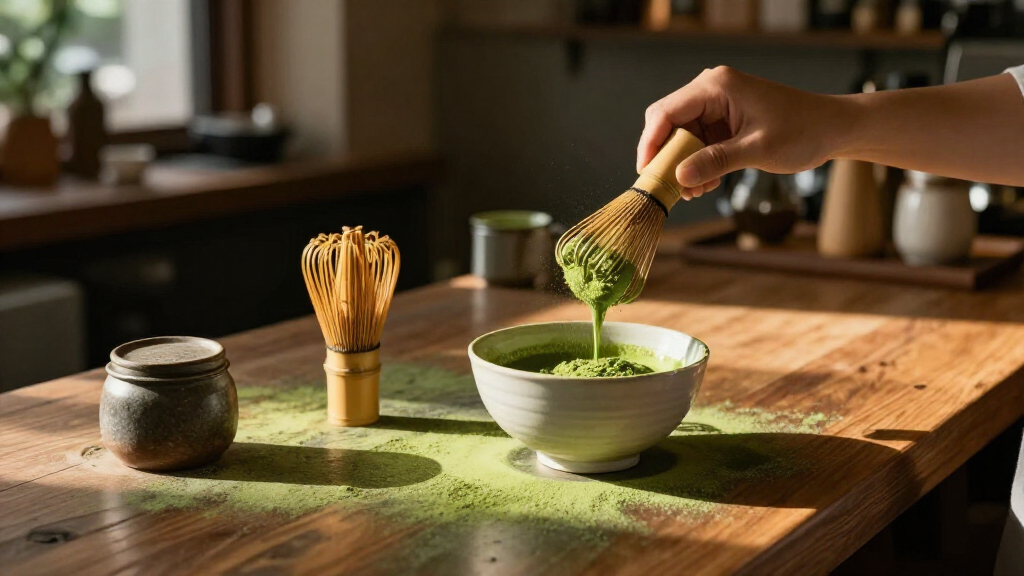

For most buyers, Naoki Superior Blend Matcha is my best overall pick because its small 40 g format suits traditional preparation without committing to a large bag. PerfectTed Ceremonial Grade stands out for a straightforward ceremonial-style choice, while FGO Organic Matcha offers a more practical bag for regular use. The main tradeoffs are ceremonial versus culinary grade, loose powder versus single-serve portions, and freshness versus bulk quantity. Latte mixes and baking-focused powders serve different purposes than matcha intended for whisking with water. Read on for the full breakdown of all 15 options and the best fit for your routine.

Get coffee and tea gear delivered free with Prime
- Fast, free delivery on millions of items
- Prime Video, Amazon Music and more included
- Member-only deals all year
Complete the kit


Key Takeaways
- Small tins and sachets reduce commitment: Naoki, PerfectTed, Satoen, and YAMAEI come in compact formats better suited to testing flavor and preparation habits than the one- or two-pound culinary bags.
- Bulk formats favor recipes and frequent use: Micro Ingredients, the other one-pound culinary options, Matcha DNA, and the two-pound bag are aimed at buyers who can use larger quantities before freshness declines.
- Grade should match the cup: Ceremonial options are positioned for whisking with water, while culinary powders are more practical for smoothies, baking, and mixed drinks.
- Convenience comes in different forms: O’s Bubble and Aiya provide single-serve portions, while Jade Leaf Latte Mix combines matcha with a latte-oriented format rather than offering plain powder alone.
- The best pick depends on how you prepare matcha: This lineup separates into traditional drinking, milk-based drinks, baking, and bulk cooking; choosing by use is more useful than choosing by package size alone.
| O’s Bubble Ceremonial Matcha Powder Kit, 10 x 2 g Packets with Mini Shaker |  | Best for Portable Single Servings | Product type: Ceremonial matcha powder kit | Quantity: 10 packets | Packet size: 2 g | VIEW LATEST PRICE | See Our Full Breakdown |
| FGO Organic Matcha Green Tea Powder, 4 oz Resealable Bag |  | Best for Everyday Versatility | Weight: 4 oz | Form: Fine powder | Certifications: USDA Organic, Non-GMO | VIEW LATEST PRICE | See Our Full Breakdown |
| Micro Ingredients Organic Japanese Matcha Green Tea Powder, First Harvest, Culinary Grade, 1 lb |  | Best for Bulk Recipe Use | Brand: Micro Ingredients | Grade: Culinary | Harvest: First harvest | VIEW LATEST PRICE | See Our Full Breakdown |
| Organic Japanese Matcha Green Tea Powder, Culinary Grade, 1 lb |  | Best for Clearly Portioned Bulk Matcha | Weight: 1 lb (454 g) | Grade: Culinary | Origin: Japanese sourced | VIEW LATEST PRICE | See Our Full Breakdown |
| PerfectTed Ceremonial Grade Japanese Matcha Powder, 30g |  | Best Compact Ceremonial-Grade Pouch | Net weight: 30 g | Servings: 30 | Grade: Ceremonial | VIEW LATEST PRICE | See Our Full Breakdown |
| Jade Leaf Matcha Latte Mix, Original, 150 g |  | Best for Quick Lattes | Flavor: Original | Net weight: 150 g (5.3 oz) | Ingredients: Japanese matcha and organic cane sugar | VIEW LATEST PRICE | See Our Full Breakdown |
| Organic Culinary Grade Matcha Green Tea Powder, 1 lb |  | Best for Baking and Everyday Recipes | Weight: 1 lb (454 g) | Servings: 151 | Serving size: 1 scoop daily | VIEW LATEST PRICE | See Our Full Breakdown |
| Naoki Superior Blend Matcha, 40 g |  | Best for Traditional Tea Preparation | Origin: Uji, Kyoto, Japan | Grade: Ceremonial | Harvest: First harvest | VIEW LATEST PRICE | See Our Full Breakdown |
| Jade Leaf Organic Culinary Grade Matcha Powder, 30 g |  | Best Small Pack for First-Time Buyers | Brand: Jade Leaf | Type: Culinary-grade matcha powder | Weight: 30 g (1.06 oz) | VIEW LATEST PRICE | See Our Full Breakdown |
| Organic Matcha Green Tea Powder, 2 lb, Culinary Grade |  | Best for High-Volume Use | Weight: 2 lb | Type: Organic matcha green tea powder | Grade: Culinary | VIEW LATEST PRICE | See Our Full Breakdown |
| Satoen Honyama Ceremonial Matcha Powder, 30 g (1.06 oz), Shizuoka, Japan |  | Best for Traditional Whisked Matcha | Weight: 30 g (1.06 oz) | Origin: Shizuoka, Japan | Tea type: Ceremonial matcha | VIEW LATEST PRICE | See Our Full Breakdown |
| YAMAEI Matcha Powder, Ceremonial Grade, 1.1 oz, Japanese Green Tea, First Harvest |  | Best for Temperature-Guided Preparation | Origin: Shizuoka, Japan | Package size: 1.1 oz (30 g) | Grade: Ceremonial grade | VIEW LATEST PRICE | See Our Full Breakdown |
| Aiya Matcha To Go Ceremonial Grade Matcha Green Tea Powder, 10 Single-Serve Packs |  | Best for On-the-Go Convenience | Product type: Matcha green tea powder | Grade: Ceremonial | Pack count: 10 single-serve sticks | VIEW LATEST PRICE | See Our Full Breakdown |
| 35°N Matcha Powder for Baking and Desserts, 1.4 oz (40 g) |  | Best for Baking and Desserts | Net weight: 1.4 oz (40 g) | Type: Culinary-grade matcha powder | Ingredients: 100% pure, unsweetened matcha green tea powder | VIEW LATEST PRICE | See Our Full Breakdown |
| Matcha DNA Organic Matcha Green Tea Powder, 16 oz |  | Best Bulk Organic Pick | Brand: Matcha DNA | Product type: Organic matcha green tea powder | Net weight: 16 oz | VIEW LATEST PRICE | See Our Full Breakdown |
| matcha tea powder | Origin | Ingredients | Grade |
|---|---|---|---|
| O’s Bubble Ceremonial Matcha P | Kagoshima, Japan | 100% matcha | — |
| FGO Organic Matcha Green Tea P | — | Whole-leaf green tea; no fillers or additives | — |
| Micro Ingredients Organic Japa | Japan | — | Culinary |
| Organic Japanese Matcha Green | Japanese sourced | — | Culinary |
| PerfectTed Ceremonial Grade Ja | Japan | 100% shade-grown green tea leaves | Ceremonial |
| Jade Leaf Matcha Latte Mix | — | Japanese matcha and organic cane sugar | — |
| Organic Culinary Grade Matcha | — | — | Culinary |
| Naoki Superior Blend Matcha | Uji, Kyoto, Japan | — | Ceremonial |
| Jade Leaf Organic Culinary Gra | — | Pure matcha green tea leaves | — |
| Organic Matcha Green Tea Powde | — | Single ingredient; no added flavors or fillers | Culinary |
| Satoen Honyama Ceremonial Matc | Shizuoka, Japan | 100% Japanese tencha green tea leaves | — |
| YAMAEI Matcha Powder | Shizuoka, Japan | — | Ceremonial grade |
| Aiya Matcha To Go Ceremonial G | Japan | — | Ceremonial |
| 35°N Matcha Powder for Baking | — | 100% pure, unsweetened matcha green tea powder | — |
| Matcha DNA Organic Matcha Gree | — | — | — |
More Details on Our Top Picks
O’s Bubble Ceremonial Matcha Powder Kit, 10 x 2 g Packets with Mini Shaker
O’s Bubble pairs premeasured portions with a mini shaker, making it the most convenient pick here for preparing matcha away from home. Each packet holds 2 g of unsweetened Kagoshima matcha, and the water-cooled milling is described as helping it mix in cold drinks as well as hot ones. Compared with PerfectTed Ceremonial Grade Japanese Matcha Powder, which comes in a resealable 30 g pouch, O’s Bubble makes portioning simpler but gives you less flexibility to adjust each serving. The ten packets are a practical trial or travel supply, not the best fit for someone who drinks matcha daily. Hot preparation also has a temperature limit: water should stay below 158°F, so this kit suits buyers willing to follow that step rather than pour boiling water straight over the powder.
Pros:- Ten premeasured 2 g packets simplify portioning
- Includes a mini shaker for convenient preparation
- Kagoshima, Japan sourcing and 100% matcha ingredients
- Can be mixed into cold or hot drinks without added sugar or additives
Cons:- Ten servings may run short for regular matcha drinkers
- Hot preparation requires water below 158°F
- Individual packets offer less serving-size flexibility than a resealable pouch
Best for: Occasional matcha drinkers, commuters, and travelers who want measured servings and a compact mixing tool.
Not ideal for: Frequent drinkers or anyone who prefers buying bulk powder and adjusting serving size; the kit contains only ten 2 g packets.
- Product type:Ceremonial matcha powder kit
- Quantity:10 packets
- Packet size:2 g
- Included accessory:Mini shaker
- Origin:Kagoshima, Japan
- Ingredients:100% matcha
- Added sugar:None
- Mixing:Cold or hot water
Our verdict“Choose O’s Bubble if portable, premeasured servings matter more than bulk quantity or adjustable portions.”
FGO Organic Matcha Green Tea Powder, 4 oz Resealable Bag
FGO is the flexible middle ground for buyers who want one matcha powder for lattes, smoothies, and baking. Its 4 oz resealable bag offers more room for repeat use than O’s Bubble Ceremonial Matcha Powder Kit, while the fine powder is described as mixing smoothly without clumping. USDA Organic and Non-GMO certifications, along with the absence of fillers and additives, give ingredient-conscious shoppers clear selection points. The tradeoff is that the supplied details do not identify a grade or harvest, so buyers seeking a clearly specified ceremonial matcha may prefer a product such as PerfectTed Ceremonial Grade Japanese Matcha Powder. FGO’s broad use case is its strength, but it is less tailored to anyone choosing matcha primarily for traditional whisked preparation or a particular origin profile.
Pros:- USDA Organic and Non-GMO certifications
- Fine powder is described as dissolving smoothly without clumping
- Suitable for lattes, smoothies, and baking
- Resealable bag helps protect the powder between uses
Cons:- Grade and harvest are not specified in the supplied product details
- No origin information is provided
- A 4 oz bag may be less suited to buyers seeking a small trial portion
Best for: Home cooks and latte drinkers who want certified organic matcha for both beverages and recipes.
Not ideal for: Buyers who prioritize a stated ceremonial grade, harvest, or Japanese origin; those details are not provided here.
- Weight:4 oz
- Form:Fine powder
- Certifications:USDA Organic, Non-GMO
- Ingredients:Whole-leaf green tea; no fillers or additives
- Packaging:Resealable bag
- Suggested uses:Lattes, smoothies, baking
Our verdict“Pick FGO for an organic, multipurpose powder, but choose a clearly graded option if ceremonial preparation is your priority.”
Micro Ingredients Organic Japanese Matcha Green Tea Powder, First Harvest, Culinary Grade, 1 lb
Micro Ingredients is the lineup’s bulk-focused choice: a 1 lb supply of USDA organic, first-harvest Japanese culinary matcha intended for drinks and recipes. Its stated 151 servings and finely ground form make it a better fit for frequent lattes, smoothies, and cooking than FGO Organic Matcha Green Tea Powder, which comes in a smaller 4 oz bag. The product also lists several allergen exclusions and third-party lab testing, useful details for buyers checking ingredient suitability. The main compromise is grade: culinary matcha is positioned for mixing into other foods and drinks, not as the clearest choice for traditional ceremonial-style tea. It also contains naturally occurring caffeine, so this large quantity may be a poor match for shoppers who want to limit caffeine or only drink matcha occasionally.
Pros:- One-pound quantity suits repeated recipe and drink use
- USDA organic, first-harvest Japanese tea leaves
- Finely ground powder is described as easy to mix
- Third-party lab tested and listed as free of soy, dairy, gluten, and tree nuts
Cons:- Culinary grade is less suited to traditional ceremonial-style preparation
- Contains naturally occurring caffeine
- Large package may be excessive for occasional matcha drinkers
Best for: Frequent home cooks and matcha drinkers who want a large organic supply for lattes, smoothies, and recipes.
Not ideal for: Traditional tea drinkers seeking ceremonial-grade matcha, occasional users unlikely to finish a 1 lb bag, or buyers avoiding caffeine.
- Brand:Micro Ingredients
- Grade:Culinary
- Harvest:First harvest
- Origin:Japan
- Weight:1 lb
- Servings:151
- Certification:USDA organic
- Dietary attributes:Non-GMO; no sugar; free of soy, dairy, gluten, and tree nuts
- Testing:Third-party lab tested
Our verdict“Choose Micro Ingredients for frequent culinary use and bulk supply, not for a small amount of ceremonial-style tea.”
Organic Japanese Matcha Green Tea Powder, Culinary Grade, 1 lb
This one-pound culinary matcha makes its serving math easy: the product specifies a 3 g scoop and 151 servings, giving recipe makers a consistent portion to work from. Like Micro Ingredients Organic Japanese Matcha Green Tea Powder, it is a bulk option for drinks and baking, but this listing explicitly calls out the scoop size and zero sugar. Its stated organic, non-GMO, gluten-free, and dairy-free attributes, along with third-party lab testing, may help shoppers who screen for those details. The tradeoff is also clear: this is culinary grade, so it is better aimed at lattes, shakes, and baked goods than buyers seeking ceremonial-style matcha. The supplied information does not name a harvest or a specific Japanese region, leaving less detail about sourcing than Micro Ingredients provides.
Pros:- One-pound container provides a substantial supply
- Three-gram serving size and 151 servings are stated
- No added sugar or other additives
- Third-party lab tested and listed as organic, non-GMO, gluten-free, and dairy-free
Cons:- Culinary grade may not suit buyers seeking ceremonial matcha
- Harvest and specific Japanese growing region are not stated
- A 1 lb quantity may be more than occasional users need
Best for: Recipe-focused households and regular latte makers who want a one-pound supply with a stated scoop size.
Not ideal for: Ceremonial-style tea drinkers or shoppers who want a specified harvest and more detailed sourcing information.
- Weight:1 lb (454 g)
- Grade:Culinary
- Origin:Japanese sourced
- Serving size:3 g (1 scoop)
- Servings per container:151
- Sugar:0 g
- Dietary attributes:Organic, non-GMO, gluten-free, dairy-free, vegetarian
- Testing:Third-party lab tested
Our verdict“Choose this powder for bulk recipes and measured servings, but look elsewhere for ceremonial grade or detailed harvest sourcing.”
PerfectTed Ceremonial Grade Japanese Matcha Powder, 30g
PerfectTed is the compact ceremonial-grade pick for shoppers who want Japanese matcha in a resealable pouch rather than premeasured packets. The 30 g quantity is listed as 30 servings, and the powder is stone-ground from 100% shade-grown green tea leaves with no fillers, sweeteners, or additives. Compared with O’s Bubble Ceremonial Matcha Powder Kit, this pouch allows more control over serving size but does not include a shaker or individual portions. Its stated smooth, umami-rich flavor profile may appeal to buyers looking for a traditional-style drink, while its use in smoothies and recipes keeps it versatile. The product details do not include preparation instructions, so new matcha makers may need to work out their preferred method and serving amount.
Pros:- Ceremonial grade and Japanese origin are specified
- Stone-ground from 100% shade-grown green tea leaves
- No additives, fillers, or sweeteners
- Resealable pouch supports flexible portions and storage
Cons:- Preparation instructions are not provided in the supplied details
- The 30 g package is smaller than the one-pound culinary options
- No shaker or other preparation accessory is included
Best for: Buyers seeking a small resealable pouch of Japanese ceremonial-grade matcha for drinks and occasional recipes.
Not ideal for: Beginners who want premeasured portions or included preparation tools, and frequent users who need more than a 30 g supply.
- Net weight:30 g
- Servings:30
- Grade:Ceremonial
- Origin:Japan
- Ingredients:100% shade-grown green tea leaves
- Processing:Stone-ground
- Dietary attributes:Vegan, gluten-free, non-GMO
- Packaging:Resealable pouch
Our verdict“Pick PerfectTed for a small, resealable supply of Japanese ceremonial-grade matcha, especially if you do not need portioning tools.”
Jade Leaf Matcha Latte Mix, Original, 150 g
This is the easiest pick here for a matcha latte routine: the blend combines Japanese matcha and organic cane sugar, so there is no separate sweetener to measure. Mix it with hot water or milk, or serve it iced; dairy and plant-based milk both work. Compared with Naoki Superior Blend Matcha, which is unsweetened ceremonial-grade powder suited to a wider range of preparations, this pouch is more convenient for sweet lattes but less flexible if you want to control sweetness or make traditional tea. The 150 g supply is described as enough for about three to four weeks of daily lattes. Its tradeoff is built into the format: this is a latte mix, not a plain matcha powder, and each drink starts with added sugar.
Pros:- Pre-sweetened blend skips measuring a separate sweetener
- Made with Japanese matcha and organic cane sugar
- Can be prepared hot or iced with dairy or plant-based milk
- 150 g pouch is described as supplying about three to four weeks of daily lattes
Cons:- Added sugar cannot be adjusted independently from the matcha
- Latte blend is less versatile than plain matcha powder
- Not the best fit for buyers seeking ceremonial-style preparation
Best for: People who want a fast, lightly sweetened matcha latte with dairy or plant-based milk and do not want to add sugar separately
Not ideal for: Buyers seeking unsweetened matcha for traditional tea, baking, or precise control over sweetness
- Flavor:Original
- Net weight:150 g (5.3 oz)
- Ingredients:Japanese matcha and organic cane sugar
- Matcha origin:Uji and Kagoshima, Japan
- Certification:USDA Organic
- Preparation:Mix with hot water or milk
- Serving options:Hot or iced; dairy or plant-based milk
- Estimated supply:About 3 to 4 weeks of daily lattes
Our verdict“Choose this pouch for quick, lightly sweetened lattes; choose Naoki Superior Blend Matcha if you want unsweetened powder and more preparation options.”
Organic Culinary Grade Matcha Green Tea Powder, 1 lb
This one-pound bag suits cooks who want unsweetened matcha in a large supply for baking, smoothies, and drinks. Its fine stone-ground powder is made from early spring leaves, and the listing describes it as organic, vegan, and third-party lab tested. Compared with Jade Leaf Organic Culinary Grade Matcha Powder, the 30 g option, this bag is much better suited to frequent recipe use; the smaller Jade Leaf pack is easier to choose if you only need a little. The tradeoff is grade: this is culinary matcha, so buyers prioritizing a refined traditional tea experience may prefer Naoki Superior Blend Matcha, which is identified as ceremonial grade. The powder is free from many listed allergens and has no added sugar, but a large bag is less appealing if you rarely use matcha.
Pros:- One-pound supply is suited to frequent recipes and drinks
- Organic, unsweetened, and listed as zero sugar
- Fine stone-ground powder made from early spring leaves
- Third-party lab tested and free from a broad list of common allergens
Cons:- Culinary grade is less suited to buyers focused on ceremonial-style tea
- Large package may be more than occasional users need
- The supplied product details do not specify a matcha-growing region
Best for: Home bakers, smoothie makers, and regular matcha drinkers who want a large supply of unsweetened culinary powder
Not ideal for: Occasional users who would struggle to finish a one-pound bag, or tea drinkers seeking ceremonial-grade matcha for traditional preparation
- Weight:1 lb (454 g)
- Servings:151
- Serving size:1 scoop daily
- Grade:Culinary
- Harvest:Early spring leaves
- Processing:Fine stone ground
- Dietary attributes:Vegan, unsweetened, zero sugar
- Testing:Third-party lab tested
- Free from:GMOs, gluten, soy, dairy, wheat, eggs, fish, shellfish, tree nuts, and fillers
Our verdict“Pick this for frequent baking and everyday recipes; choose the smaller Jade Leaf culinary pouch if you want to try a modest amount first.”
Naoki Superior Blend Matcha, 40 g
Naoki is the strongest fit in this group for buyers who want ceremonial-grade matcha rather than a pantry-sized cooking powder. It is made from first-harvest, shade-grown leaves from Uji, Kyoto, then freshly ground and sealed in airtight packaging. The stated flavor is smooth and balanced with mild bitterness, which makes it a more natural choice for drinking as tea than either of the culinary-grade bags, including Organic Culinary Grade Matcha Green Tea Powder. It can also go into lattes, smoothies, and recipes, so it is not limited to traditional preparation. The compromise is quantity: 40 g makes about 20 servings, far less than the one-pound options. It is also unsweetened and contains caffeine, so it will not suit buyers looking for a sweetened latte mix or a caffeine-free drink.
Pros:- Ceremonial grade from first-harvest, shade-grown leaves
- Uji, Kyoto origin and freshly ground, airtight-sealed packaging
- Smooth, balanced flavor with mild bitterness
- Can be used for tea, lattes, smoothies, and recipes
Cons:- 40 g tin provides about 20 servings
- Contains caffeine
- Small quantity is less suited to frequent baking than the one-pound culinary powders
Best for: Matcha drinkers who want a small tin of first-harvest, ceremonial-grade powder for traditional tea and occasional lattes
Not ideal for: Frequent bakers or high-volume matcha drinkers who want a large supply, or anyone avoiding caffeine
- Origin:Uji, Kyoto, Japan
- Grade:Ceremonial
- Harvest:First harvest
- Tea growing method:Shade-grown
- Net weight:40 g (1.4 oz)
- Servings:About 20
- Serving size:2 g (1 tsp)
- Caffeine:Contains caffeine
- Sugar and gluten:Sugar-free and gluten-free
Our verdict“Choose Naoki for a compact, ceremonial-grade tea option; choose a larger culinary powder if your main goal is frequent recipes.”
Jade Leaf Organic Culinary Grade Matcha Powder, 30 g
This 30 g pouch is a low-commitment way to try plain matcha before choosing a larger supply. It contains only pure, shade-grown tea leaves, carries USDA Organic certification, and is described as suitable for tea, lattes, smoothies, and baking. Its culinary grade makes it more practical for mixed drinks and recipes than Naoki Superior Blend Matcha, which is the better fit here for a ceremonial-style cup. Compared with the one-pound Organic Culinary Grade Matcha Green Tea Powder, Jade Leaf is easier to finish if you use matcha occasionally, but it offers much less for frequent cooking. The small package is the central tradeoff: it keeps the commitment modest, but regular drinkers may run through it quickly. It is unsweetened, so latte drinkers add their own sweetener if desired.
Pros:- Small 30 g package limits commitment for occasional use
- USDA Organic certified
- Pure matcha leaves with no added ingredients
- Versatile for tea, lattes, smoothies, and baking
Cons:- Small package may run out quickly with regular use
- Culinary grade is not the strongest fit for ceremonial-style preparation
- Plain powder requires buyers to add their own sweetener for sweetened lattes
Best for: First-time matcha buyers and occasional users who want a small, organic pouch for drinks and recipes
Not ideal for: Frequent matcha drinkers or bakers who want a large supply, or buyers seeking ceremonial-grade powder
- Brand:Jade Leaf
- Type:Culinary-grade matcha powder
- Weight:30 g (1.06 oz)
- Certification:USDA Organic
- Ingredients:Pure matcha green tea leaves
- Dietary attributes:Vegan and naturally gluten-free
- Sourcing regions:Uji and Kagoshima, Japan
Our verdict“Choose this to try organic culinary matcha in a small quantity; pick the one-pound culinary bag if you already use matcha often.”
Organic Matcha Green Tea Powder, 2 lb, Culinary Grade
This two-pound bag is the lineup’s most substantial option for buyers who go through matcha regularly. The powder is described as single-ingredient, first-harvest, and shade-grown, with about 302 servings at 3 g each. Organic and non-GMO certifications, third-party testing, and the absence of added sugar or artificial ingredients add useful detail for people choosing a staple powder. Compared with the Organic Culinary Grade Matcha Green Tea Powder, 1 lb, this package offers roughly twice the weight and about twice the stated servings, making it better suited to frequent household use. Both are culinary grade, so neither is the pick for a ceremonial-focused cup; Naoki Superior Blend Matcha fills that role, but in a much smaller tin. The main drawback is commitment: occasional users may have no need for two pounds, and the supplied details do not specify an origin region.
Pros:- Two-pound package with approximately 302 servings
- Single-ingredient powder with no added sugar, flavors, or fillers
- Certified organic and non-GMO
- Third-party lab tested and free from soy, dairy, gluten, and tree nuts
Cons:- Large package may be excessive for occasional users
- Culinary grade is less suited to ceremonial-style tea
- Product details do not identify a specific growing region
Best for: Frequent matcha drinkers, meal-prep households, and cooks who want a large supply of plain culinary powder
Not ideal for: Occasional users who may not need two pounds, or buyers seeking ceremonial-grade matcha and a specified regional origin
- Weight:2 lb
- Type:Organic matcha green tea powder
- Grade:Culinary
- Harvest:First harvest
- Ingredients:Single ingredient; no added flavors or fillers
- Serving size:About 1 scoop (3 g)
- Servings:Approximately 302
- Certifications:Certified organic and non-GMO
- Testing and allergen information:Third-party lab tested; free from soy, dairy, gluten, and tree nuts
Our verdict“Choose this for frequent cooking and daily matcha use at home; choose Naoki if your priority is ceremonial-grade tea in a smaller amount.”
Satoen Honyama Ceremonial Matcha Powder, 30 g (1.06 oz), Shizuoka, Japan
Satoen Honyama is the strongest fit here for buyers who want a smooth, low-bitterness cup made from Shizuoka-grown tencha. Its umami-forward profile and fine texture suit traditional whisking, while the same powder can go into lattes, iced drinks, and desserts. Compared with YAMAEI Matcha Powder, Satoen gives more detail about the expected flavor and offers a stated serving size for traditional preparation; YAMAEI instead provides a water-temperature recommendation and an oxygen absorber. The 30 g tin is a small supply, and the recommendation to use it soon after opening makes it less convenient for occasional drinkers. Traditional preparation also calls for a bamboo whisk, so this is a less hands-off choice than Aiya Matcha To Go. Its award and kabuto-inspired tin add distinction, but the main reason to choose it is the flavor-led, versatile format.
Pros:- Shizuoka-grown Japanese tencha with a smooth umami flavor and low bitterness
- Fine texture and stated servings for traditional or bottled preparation
- Works in whisked tea, lattes, iced drinks, desserts, and baking
- Recognized with the Japan Food Selection Grand Prix
Cons:- The 30 g tin is a limited supply for frequent matcha drinkers
- Instructions recommend using it soon after opening
- Traditional preparation requires a bamboo whisk
Best for: Matcha drinkers who prefer smooth, low-bitterness Shizuoka tea and plan to prepare whisked cups as well as occasional lattes or desserts.
Not ideal for: Occasional users without a whisk, or anyone who needs a larger pack that can sit open for an extended period.
- Weight:30 g (1.06 oz)
- Origin:Shizuoka, Japan
- Tea type:Ceremonial matcha
- Ingredients:100% Japanese tencha green tea leaves
- Suggested traditional serving:About 2 g
- Suggested bottled matcha serving:About 3 g
- Award:Japan Food Selection Grand Prix
Our verdict“Choose Satoen Honyama for a flavor-focused, whisked Shizuoka matcha, but skip it if you want single-serve convenience or a large pack.”
YAMAEI Matcha Powder, Ceremonial Grade, 1.1 oz, Japanese Green Tea, First Harvest
YAMAEI Matcha Powder suits buyers who want a straightforward ceremonial-style tin with clear brewing guidance. The suggested 176°F water temperature gives new matcha drinkers a practical starting point, while the oxygen absorber is intended to help preserve freshness in the small 30 g package. Like Satoen Honyama, it comes from Shizuoka and can be used for hot matcha or lattes; YAMAEI adds sparkling water as an option but provides less specific flavor detail. Its roughly 15 servings make it a trial-size choice rather than a pantry staple, especially compared with the much larger Matcha DNA Organic Matcha. A whisk or frother helps produce a smoother texture, so this is not as convenient as Aiya Matcha To Go, whose sticks are made for quick mixing. The heritage and freshness details appeal most to buyers who will use the tin regularly.
Pros:- Shizuoka origin and first-harvest positioning
- 176°F water guidance helps set up hot preparation
- Oxygen absorber is included to help preserve freshness
- Suitable for hot matcha, lattes, and sparkling water
Cons:- About 15 servings per tin means frequent buyers may need to restock
- A whisk or frother is recommended for a smoother texture
- Flavor details are limited compared with Satoen Honyama
Best for: New or regular matcha drinkers seeking a small Shizuoka tin with a specified brewing temperature for hot cups, lattes, or sparkling drinks.
Not ideal for: Frequent drinkers who want a larger supply, or people who need powder that mixes without a whisk or frother.
- Origin:Shizuoka, Japan
- Package size:1.1 oz (30 g)
- Grade:Ceremonial grade
- Servings:Approximately 15 at 2 g per serving
- Recommended water temperature:176°F (80°C)
- Included:Oxygen absorber
- Suggested uses:Hot matcha, lattes, and sparkling water
Our verdict“Pick YAMAEI if you value brewing guidance and a freshness aid in a small Japanese tin, not if you need bulk quantity or tool-free mixing.”
Aiya Matcha To Go Ceremonial Grade Matcha Green Tea Powder, 10 Single-Serve Packs
Aiya Matcha To Go earns its place for convenience rather than a traditional tea-making ritual. Each of the 10 single-serve sticks is portioned for quick preparation with hot or cold water, and stirring or shaking replaces sifting and whisking. That makes it easier to pack than Satoen Honyama or YAMAEI Matcha Powder, both of which come in tins and benefit from dedicated preparation tools. The tradeoff is limited flexibility: single portions are handy away from home, but they do not suit people who want to adjust the amount for larger drinks, baking, or recipes. The product description also gives less origin and flavor detail than the Shizuoka tins. Compared with 35°N Matcha Powder, which is explicitly positioned for baking and desserts, Aiya is a better match for portable water-based drinks than kitchen use.
Pros:- Ten individual sticks are easy to portion and pack
- Can be prepared with hot or cold water
- No sifter, whisk, or other special equipment is required
- Japanese ceremonial-grade powder
Cons:- Single-serve format limits control over portion size
- Only 10 servings are included
- Requires stirring or shaking, and offers less preparation detail than the Shizuoka tins
Best for: Commuters, travelers, and office drinkers who want pre-portioned Japanese matcha that can be mixed with hot or cold water without special equipment.
Not ideal for: Home cooks who need flexible quantities for baking, or matcha drinkers who prioritize detailed origin and flavor information.
- Product type:Matcha green tea powder
- Grade:Ceremonial
- Pack count:10 single-serve sticks
- Origin:Japan
- Preparation:Mix with hot or cold water
- Equipment:No special equipment required
Our verdict“Choose Aiya for portable, pre-portioned matcha drinks, but select a tin or culinary powder for flexible home use.”
35°N Matcha Powder for Baking and Desserts, 1.4 oz (40 g)
35°N Matcha Powder is the clear kitchen-focused choice in this group: it is culinary grade, finely milled, and made from unsweetened matcha without fillers or artificial additions. That makes it more suited to batters, creams, smoothies, and yogurt than ceremonial options such as Satoen Honyama or YAMAEI Matcha Powder, which are framed around drinking matcha. It can still go into lattes, with a stated yield of up to 20 servings at 2 g each, but its strongest reason to buy is recipe flexibility rather than a described ceremonial flavor profile. The 40 g pouch is smaller than the large-format Matcha DNA Organic Matcha, so frequent bakers may use it up quickly. Storage also asks for attention: reseal and refrigerate after opening, then use within 1–2 months for best freshness.
Pros:- 100% pure, unsweetened matcha without fillers or artificial additions
- Fine milling helps it blend into batters, creams, and milk
- Suitable for baking, desserts, smoothies, ice cream, and yogurt
- Stated yield of up to 20 lattes at 2 g per serving
Cons:- The 40 g pouch may not last long for frequent cooking or drink use
- Needs tight resealing and refrigeration after opening
- Best used within 1–2 months, which can be inconvenient for occasional users
Best for: Home bakers and dessert makers who want unsweetened, finely milled matcha for batters, creams, smoothies, and occasional lattes.
Not ideal for: Traditional matcha drinkers seeking ceremonial-grade flavor, or frequent users who want a large supply and less time-sensitive storage.
- Net weight:1.4 oz (40 g)
- Type:Culinary-grade matcha powder
- Ingredients:100% pure, unsweetened matcha green tea powder
- Texture:Finely milled
- Suggested uses:Baking, desserts, lattes, smoothies, ice cream, and yogurt
- Storage:Reseal tightly and refrigerate after opening
- Recommended use after opening:Within 1–2 months for best freshness
- Yield:Up to 20 lattes at 2 g per serving
Our verdict“Buy 35°N for recipe-ready culinary matcha and skip it if your priority is a ceremonial whisked cup or long-term pantry storage.”
Matcha DNA Organic Matcha Green Tea Powder, 16 oz
Matcha DNA Organic Matcha is the volume choice: its 16 oz package gives regular users far more powder than the 30–40 g tins and pouch from Satoen Honyama, YAMAEI, and 35°N. USDA Organic certification and third-party testing for impurities are its clearest distinguishing points, while BPA-free packaging adds a packaging detail not supplied for the smaller options. The powder is described for tea, lattes, smoothies, and baking, so it can serve several routines, but the product data does not give a grade, origin, serving guidance, or taste profile. That makes it a less informed choice for buyers seeking a specific Shizuoka ceremonial cup, where Satoen and YAMAEI offer more origin and preparation detail. A large pack also makes the most sense for steady use, not someone who may leave matcha open for months.
Pros:- USDA Certified Organic
- Third-party tested for impurities
- 16 oz supply suits regular use across drinks and recipes
- Packaging is certified BPA-free
Cons:- No grade or origin is specified in the supplied product details
- No taste profile or serving guidance is provided
- The large package may not suit occasional users who need a small quantity
Best for: Frequent matcha users who want a large organic supply for drinks, smoothies, and recipes and value third-party impurity testing.
Not ideal for: Occasional drinkers or shoppers who want a stated grade, Japanese origin, or detailed flavor guidance before choosing.
- Brand:Matcha DNA
- Product type:Organic matcha green tea powder
- Net weight:16 oz
- Certification:USDA Organic
- Packaging:Certified BPA-free
- Testing:Third-party tested for impurities
- Suggested uses:Tea, lattes, smoothies, and baking
Our verdict“Choose Matcha DNA for bulk organic versatility and testing details, but favor Satoen or YAMAEI if origin and ceremonial preparation matter more.”
How We Picked
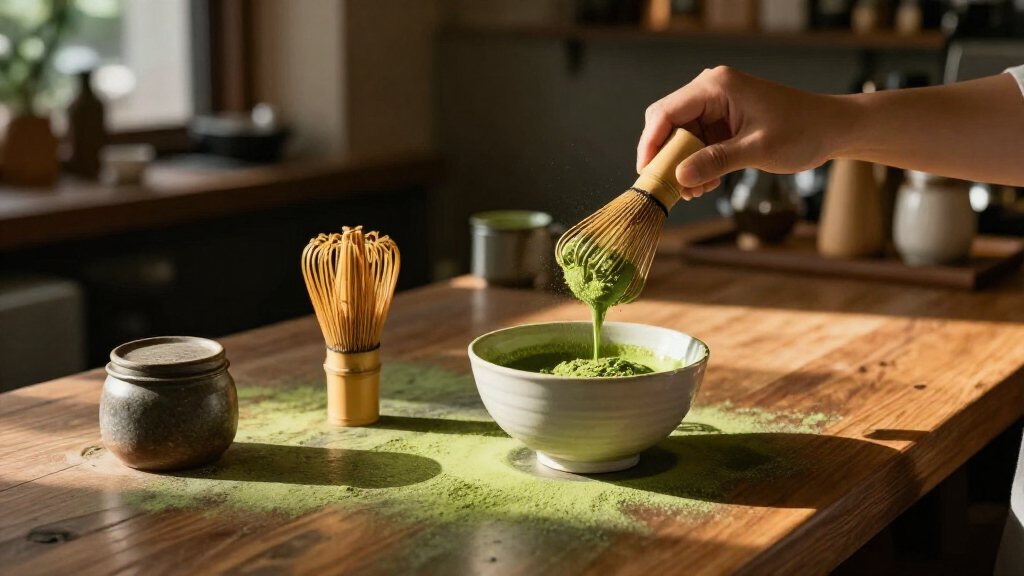
I compared the 15 options by the choices that change the buyer experience most: stated grade and intended use, package size, portioning, and whether the product is plain matcha or a prepared latte mix. I gave more weight to products with a clear role and manageable quantity for their intended preparation, since matcha flavor and freshness can be harder to maintain in a large opened bag. I also treated single-serve packs and shaker kits as convenience tools rather than assuming they replace loose powder for every use.
The ranking favors versatility and a clear match between format and likely use. Compact ceremonial-style powders rise for buyers who want to whisk matcha traditionally; accessible bags rank well for everyday mixing; and large culinary formats make more sense for baking or frequent recipes than for an occasional bowl. Specialty choices remain useful, but they rank lower for general-purpose buying when their format, grade, or preparation style narrows who will benefit.
| matcha tea powder | Origin | Grade |
|---|---|---|
| O’s Bubble Ceremonial Matcha P | Kagoshima, Japan | — |
| FGO Organic Matcha Green Tea P | — | — |
| Micro Ingredients Organic Japa | Japan | Culinary |
| Organic Japanese Matcha Green | Japanese sourced | Culinary |
| PerfectTed Ceremonial Grade Ja | Japan | Ceremonial |
| Jade Leaf Matcha Latte Mix | — | — |
| Organic Culinary Grade Matcha | — | Culinary |
| Naoki Superior Blend Matcha | Uji, Kyoto, Japan | Ceremonial |
| Jade Leaf Organic Culinary Gra | — | — |
| Organic Matcha Green Tea Powde | — | Culinary |
| Satoen Honyama Ceremonial Matc | Shizuoka, Japan | — |
| YAMAEI Matcha Powder | Shizuoka, Japan | Ceremonial grade |
| Aiya Matcha To Go Ceremonial G | Japan | Ceremonial |
| 35°N Matcha Powder for Baking | — | — |
| Matcha DNA Organic Matcha Gree | — | — |
Factors to Consider When Choosing Matcha Tea Powder
I would choose matcha by deciding how it will be prepared and how quickly the package will be used. The points below help avoid common mismatches that package labels alone may not resolve.
Match the Grade to the Preparation
For matcha whisked with water, look for a product presented for ceremonial-style drinking and check that the seller gives clear origin and grade details. Culinary grade is generally a more practical fit for recipes, smoothies, and drinks with milk or other strong flavors. A common mistake is buying a large culinary bag for traditional tea and expecting it to taste like a dedicated drinking powder. The reverse can also waste a small, carefully positioned powder in baking, where other ingredients may dominate its flavor. If you make both styles, separate powders can make sense, but only if you can use each before it loses freshness.
Choose a Package Size You Can Finish Fresh
Matcha is sensitive to air, light, heat, and moisture after opening, so package size should reflect your real weekly use rather than the best quantity per serving. A 30–40 g tin or a set of sachets is a lower-commitment choice for new drinkers and occasional preparation. One- or two-pound bags can suit a busy kitchen, bakery, or household that uses matcha in recipes often. Buying bulk for an occasional cup may leave powder sitting open for too long, dulling its aroma and color. Check whether the packaging can be tightly resealed and plan to transfer or protect powder if the original bag does not seal well.
Decide Whether Convenience Is Worth the Format Tradeoff
Single-serve sachets simplify measuring and travel, while a shaker kit can make preparation easier without a traditional whisk. Those formats reduce mess and guesswork, but they offer less flexibility in portion size and create more individual packaging. Loose powder lets you adjust strength and use the same product in drinks or recipes, though it requires careful measuring and storage. A latte mix is not interchangeable with plain matcha: it is designed for a milk-based drink and may include other ingredients. Before buying, check whether you want pure powder or a ready-to-mix beverage base.
Read Origin and Harvest Claims as Context, Not a Guarantee
Japanese origin, first-harvest language, and named growing regions can help distinguish products, but they do not replace clear information about grade, freshness, and intended use. Treat those claims as useful context rather than proof that a powder will suit your palate. If origin matters to you, compare the specificity of the label and seek details about where the tea was grown and processed. Broad claims can be difficult to compare across brands when the listing does not explain them. Flavor preference also varies, so a small package is a sensible way to try a new style before committing to a bulk format.
Think About How Strong the Matcha Flavor Needs to Be
Milk, sweeteners, fruit, and baked ingredients can soften matcha’s grassy, bitter, or vegetal notes. For a simple bowl of matcha and water, flavor balance and a fine texture matter more because there are few ingredients to mask roughness. In lattes and smoothies, a culinary powder may be a more practical choice than using a small ceremonial tin. Baking can call for a powder formulated or marketed for desserts, especially when color and matcha character need to remain noticeable. Start with the preparation you make most often, then choose a powder suited to that flavor environment.
Check Serving Instructions Before Buying Accessories
Fine matcha can clump when it meets water or milk, so sifting and mixing technique affect the finished cup. A bamboo whisk helps create a traditional frothy bowl, while a shaker or electric frother can suit a faster routine. Do not assume a kit is necessary if you already own a reliable way to mix drinks, and do not assume a shaker will produce the same texture as whisking. Follow the product’s recommended amount and liquid temperature rather than using boiling water, which can make bitterness more pronounced. Simple tools and consistent preparation often matter more than adding accessories to the order.
Frequently Asked Questions
Can I use culinary matcha for a plain cup of tea?
You can whisk culinary matcha with water, but it may taste more assertive or less balanced than a powder specifically positioned for drinking on its own. That difference is easier to notice when the cup contains no milk or sweetener. If plain matcha is your main use, begin with a small drinking-oriented package rather than buying a bulk culinary bag. If you already have culinary powder, try a modest serving and adjust the water and powder ratio to your taste. Save the larger format for recipes if its flavor is too strong for a simple bowl.
Is a ceremonial-grade powder worth choosing if I mostly make lattes?
It can be, but the extra distinction matters less when milk and sweetener dominate the drink. A culinary powder or latte mix may be a more practical choice for frequent milk-based preparation, while a ceremonial-style powder gives you the option of whisking it with water as well. Consider whether you want one powder for several uses or a more focused product for plain tea. Check whether a latte mix is plain matcha or includes other ingredients before treating it as a substitute. If you rarely drink matcha without milk, a smaller, less specialized purchase may fit your routine better.
Should I buy a one-pound or two-pound bag to save time on repeat orders?
A large bag makes sense when matcha is a frequent ingredient in your kitchen, but it can be a poor fit for occasional cups. Once opened, powder is exposed to air and moisture each time it is used, so buying more than you can consume while it is fresh can undermine the convenience. Estimate your likely weekly use across drinks and recipes before choosing a bulk size. If your routine is uncertain, start with a smaller package and move up only after you know how quickly you use it. Resealable packaging and cool, dark storage help, but they do not make an oversized purchase ideal for every buyer.
Are single-serve matcha packets a good choice for daily use?
Packets can be a good fit if measured portions, portability, and a quick setup matter more than adjusting each serving. They are especially useful for office, travel, or occasional preparation where carrying a tin and measuring spoon is inconvenient. Loose powder usually gives more control over strength and can be easier to use across drinks and recipes. Compare the number of servings with how often you expect to drink matcha, and consider the extra packaging. For a daily home routine, a resealable bag or tin may be simpler once you have settled on your preferred amount.
How can I tell whether a matcha powder is a latte mix or plain matcha?
Read the ingredient list and product description rather than relying on the word “matcha” on the front of the package. A latte mix may contain sweetener or other ingredients, while plain matcha should be presented as tea powder rather than a prepared drink base. This difference affects sweetness, recipe flexibility, and how much control you have over each cup. If you want to bake with matcha or make unsweetened tea, plain powder is usually the more adaptable choice. For a quick milk drink, a mix can be convenient if its included ingredients match your preferences.
Conclusion
For the best overall fit, I’d choose Naoki Superior Blend Matcha for its compact size and traditional-drinking focus. For value in regular everyday use, FGO Organic Matcha is the more practical bag format, while PerfectTed Ceremonial Grade is my pick for a premium-leaning, small-package drinking option. Newcomers who want portion control can start with O’s Bubble’s kit or Aiya’s single-serve packs. For baking and frequent recipes, I’d choose a culinary bulk option such as Micro Ingredients or the larger Matcha DNA format; for milk drinks, Jade Leaf’s latte mix is the more direct fit. Choose by your main preparation and how quickly you will finish the package, and the grade and quantity will be easier to narrow down.