
TL;DR

Get coffee and tea gear delivered free with Prime
- Fast, free delivery on millions of items
- Prime Video, Amazon Music and more included
- Member-only deals all year
Good Housekeeping’s home-care experts outlined 11 ways to use baking soda for household cleaning, including deodorizing carpets and scrubbing light grime. The advice relies on gentle, limited use and notes that baking soda is not suited to every surface or heavy-duty mess.
Good Housekeeping’s home-care experts have outlined 11 household uses for baking soda, including freshening mattresses, cleaning light kettle deposits and scrubbing minor grime. The advice presents baking soda as a mildly abrasive cleaner and deodorizer for selected jobs, while cautioning readers to use it gently and check whether a surface can tolerate it.
For odors, the report recommends sprinkling baking soda over a mattress or carpet, leaving it for 15 to 30 minutes, then vacuuming thoroughly. For carpets, it advises emptying the vacuum’s dust cup before use so the appliance can collect the powder efficiently. These steps are presented as ways to freshen fabric surfaces, not as a substitute for treating the source of a persistent odor.
For a kettle with light deposits, the instructions call for adding 1 to 2 teaspoons of baking soda and enough water to fill the kettle at least halfway. Bring the mixture to a boil, switch the kettle off and let it stand for about 20 minutes, then rinse the container thoroughly. The report also suggests a baking-soda-and-water paste for showerhead nozzles, followed by a hot-water rinse; for deeper mineral buildup, it says a vinegar soak may help.
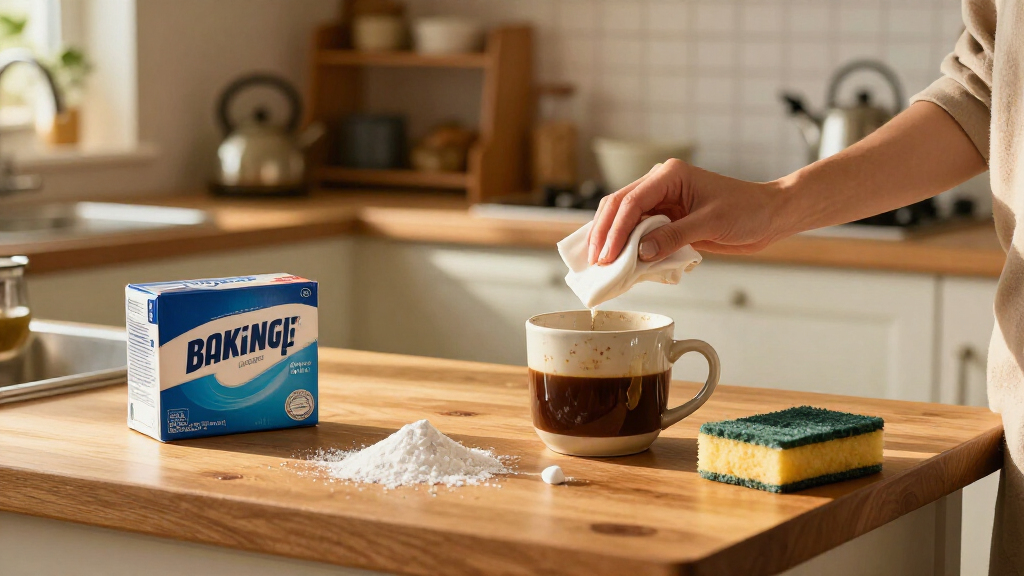
Other suggested uses include gently rubbing stubborn spots on cloudy glassware, cleaning air-fryer residue with a soft cloth and a paste, and scrubbing light grime from oven racks before rinsing. For grout, the report recommends a paste of baking soda and hydrogen peroxide. It also describes using baking soda to freshen a garbage disposal after cleaning the baffle and drain area with dish soap, and to rub small rust spots on stainless steel with a damp cloth. A damp sponge with a small amount of powder can serve as a general gentle scrub for sinks and surfaces.
Where a Household Staple Can Help
The list offers readers specific, low-complexity cleaning methods using an item many households already keep on hand. Its value lies in matching the method to the problem: baking soda may help with odors, light deposits and minor residue, while other cleaning products or approaches may be more appropriate for tougher jobs.
The limits matter as much as the suggestions. The report describes baking soda as mildly abrasive, which can assist with lifting grime but also makes surface compatibility relevant. It advises a light touch on finishes and recommends checking manufacturer instructions when uncertain. For oven racks, it says a stronger oven-cleaning spray is more suitable for a heavier mess; readers should not assume baking soda is a universal replacement for purpose-made cleaners.
Products Worth Considering
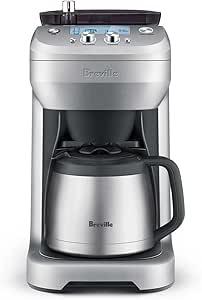
Breville Grind Control BDC650BSS Thermal Carafe Coffee Maker – Brushed Stainless Steel

De'Longhi Magnifica Evo Fully Automatic Espresso Machine with Manual Milk Frother, Silver

Weber Genesis E-415 4-Burner Propane Gas Grill, Black
As an affiliate, we earn on qualifying purchases.
The Report’s Cleaning Approach
The Good Housekeeping report groups the suggestions by common household tasks, from soft furnishings and kitchen appliances to bathroom fixtures and sinks. Several methods use baking soda on its own, while others combine it with water to form a paste. The grout suggestion pairs it with hydrogen peroxide, and the disposal instructions mention vinegar as an optional addition for foaming.
The guidance is specific to the tasks described: for example, the kettle method is for light deposits, and the stainless-steel advice is for small rust spots. The source does not provide independent testing data or claim that every technique works on every material. Its recommendations should be read as practical home-care advice rather than a guarantee of results.
Surface Compatibility and Results
The report does not specify how well each method performs across different materials, finishes or levels of buildup, and it does not provide test results. Surface compatibility can vary, particularly for delicate appliance finishes and glassware. The article advises gentle rubbing, spot testing where appropriate, and checking manufacturer instructions, but it does not identify every surface on which baking soda should be avoided.
It is also not clear from the supplied material when the report was published. Its suggestions should not be treated as product-specific care instructions: the guidance does not replace directions from appliance or surface manufacturers, nor does it establish that baking soda will remove persistent odors, heavy deposits or extensive rust.
Check Care Guidance Before Use
Readers considering these methods should start with the task-specific steps in the report and test a small, inconspicuous area when surface compatibility is uncertain. Follow the appliance or product manufacturer’s care instructions, use soft tools and light pressure on delicate finishes, and rinse away cleaning mixtures as directed. For stubborn buildup beyond the report’s light-cleaning examples, use an appropriate product and follow its label rather than relying on baking soda alone.
Key Questions
How long should baking soda sit on a mattress or carpet?
The report recommends leaving it for 15 to 30 minutes, then vacuuming it up. For carpet, empty the vacuum’s dust cup before cleaning.
Can baking soda clean an electric kettle?
For light deposits, Good Housekeeping recommends boiling 1 to 2 teaspoons of baking soda in a kettle filled at least halfway with water, letting the mixture stand for about 20 minutes, then rinsing the kettle thoroughly.
Is baking soda safe for all surfaces?
No universal compatibility is established in the report. Because baking soda is mildly abrasive, use gentle pressure, spot test when appropriate and check manufacturer instructions before cleaning delicate finishes.
What can be used for heavier oven-rack grime?
The report says baking soda can help with light grime, but recommends oven-cleaning spray for heavier messes. Follow the product label and the oven manufacturer’s care guidance.
Source: goodhousekeeping.com