
TL;DR
Open a free Amazon Business account
Business pricing, bulk buying and tax-exempt orders.
Create a free accountAs an affiliate, we earn on qualifying purchases.
In Bogotá, informal meat stalls operating without regulation are increasing, prompting health concerns. Authorities are investigating potential food safety risks, but details remain unclear.
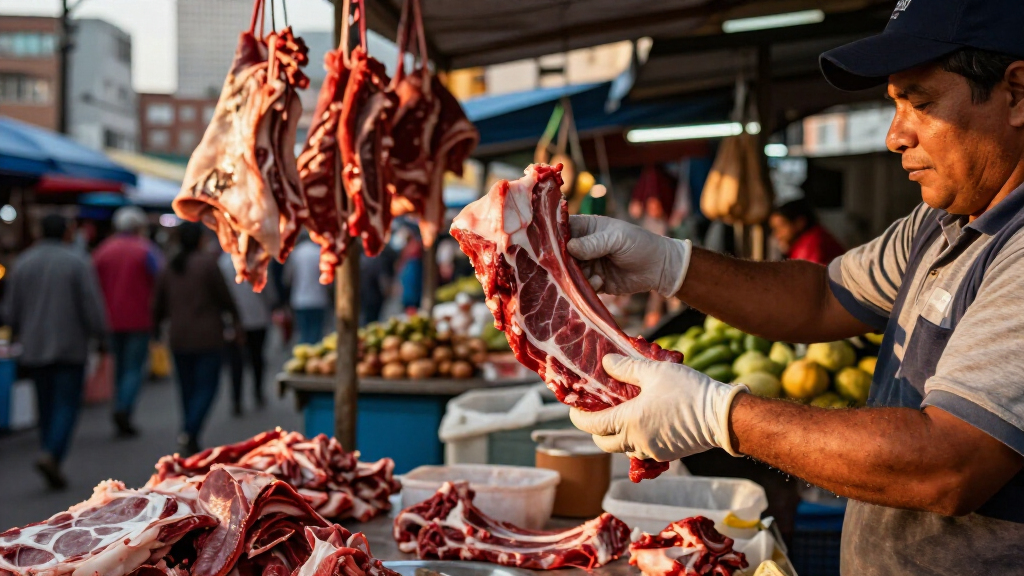
Authorities in Bogotá are investigating a surge in unregulated meat stalls operating across the city, raising concerns over food safety and public health. These informal vendors, often lacking proper hygiene standards or official permits, have become increasingly visible, prompting calls for regulation and inspection. The investigation follows a spike in public interest and reports of potential health risks associated with these stalls.
Local officials confirmed that a significant number of informal meat vendors are operating without proper licenses or health certifications. These stalls are often set up in busy markets, street corners, and neighborhoods, selling beef, pork, and poultry. The absence of official oversight means that meat handling, storage temperatures, and hygiene practices vary widely, increasing the risk of contamination and foodborne illnesses.
Public health authorities have initiated preliminary inspections in several districts after receiving complaints from consumers and health advocates. While some vendors claim they follow traditional practices, inspectors have found inconsistencies in cleanliness and storage conditions. No official data yet quantifies the number of cases linked directly to these stalls, but health experts warn of potential outbreaks if unregulated practices continue.
The local government has stated that it is working on a strategy to formalize these vendors, offering training and certification programs. However, enforcement remains challenging due to the widespread presence of these stalls and their importance to local economies, especially for vendors relying on daily income.
Health Risks from Unregulated Meat Sales in Bogotá
This situation underscores the potential public health risks posed by unregulated food vendors, including contamination, foodborne illnesses, and outbreaks of diseases such as salmonella or listeria. The rise of these stalls also highlights the difficulty authorities face in balancing food safety enforcement with economic realities for small vendors. For consumers, the lack of regulation means increased exposure to unsafe meat handling practices, which could lead to serious health consequences. The issue is particularly urgent given the ongoing concerns about food safety standards in informal markets across the city.As an affiliate, we earn on qualifying purchases.
Rise of Informal Meat Markets in Bogotá
Over recent years, Bogotá has seen a growing number of informal food vendors, particularly in low-income neighborhoods where access to regulated markets is limited. These vendors often operate without licenses, motivated by the demand for affordable meat products. Historically, the city’s authorities have struggled to regulate street food and market stalls effectively, citing resource constraints and the cultural significance of traditional selling practices. The current spike in interest appears linked to broader economic pressures and a desire among vendors to meet consumer demand despite regulatory hurdles.
Previous efforts to improve food safety in Bogotá’s markets have included inspections and campaigns promoting hygiene, but enforcement remains inconsistent. The current situation reflects ongoing challenges in integrating informal vendors into formal food safety systems, which is a common issue across Latin America.
As an affiliate, we earn on qualifying purchases.
Unclear Scope and Impact of Unregulated Meat Sales
It is not yet clear how widespread these unregulated stalls are across Bogotá or how many cases of foodborne illness they have caused. Authorities have not released comprehensive data linking health incidents directly to these vendors, and ongoing investigations are still in preliminary stages. There remains uncertainty about the effectiveness of proposed formalization strategies and whether enforcement will significantly reduce unregulated sales in the short term.
As an affiliate, we earn on qualifying purchases.
Next Steps in Regulating Bogotá’s Informal Meat Vendors
Authorities plan to expand inspection campaigns and implement training programs aimed at formalizing vendors. There is also an expected increase in public awareness campaigns about food safety. Monitoring data will be collected over the coming months to assess the impact of these measures, and further investigations will clarify the extent of health risks posed by unregulated stalls. Stakeholders anticipate ongoing debates over balancing regulation with economic realities for small vendors.
As an affiliate, we earn on qualifying purchases.
Key Questions
Are these unregulated meat stalls legal?
No, these stalls operate without official permits or health certifications, making them informal and unregulated.
What are the main health risks associated with unregulated meat?
The primary risks include contamination, bacterial growth, and potential outbreaks of foodborne illnesses like salmonella and listeria.
What is being done to address this issue?
Local authorities are conducting inspections, offering training to vendors, and working on formalization strategies to improve safety standards.
How can consumers protect themselves?
Consumers should buy from licensed vendors, observe hygiene practices, and ensure meat is stored at appropriate temperatures.
Will regulation eliminate all informal stalls?
It is uncertain; enforcement challenges and economic factors may limit complete eradication, but efforts aim to reduce unsafe practices.
Source: local
Flea & tick season Picks
flea and tick prevention
As an affiliate, we earn on qualifying purchases.