TL;DR

Get coffee and tea gear delivered free — and shop member deals
- Fast, free delivery on millions of items
- Access to Prime Big Deal Days deals on October 6–7
- Prime Video, Amazon Music and more included
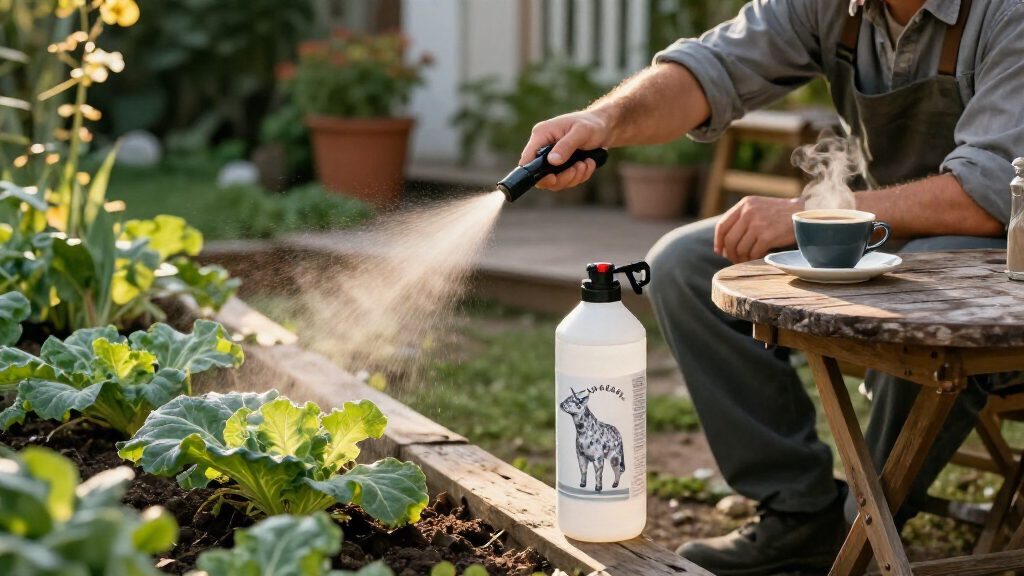
Wildlife experts interviewed by Good Housekeeping say animal repellents can sometimes reduce garden damage, but they are not a reliable barrier against hungry wildlife. They recommend applying products early and repeatedly, varying methods, and combining repellents with fencing and motion-activated devices.
Animal repellents may reduce wildlife damage to gardens, but they cannot reliably stop animals from feeding, according to wildlife specialists interviewed by Good Housekeeping. The experts describe sprays and granules as potentially temporary and limited tools, with results depending on factors including animal numbers, available food, weather and consistent reapplication.
Repellents generally work through taste or smell, said Robert Pierce, an associate professor and state extension fisheries and wildlife specialist at the University of Missouri. Contact repellents are put on a plant or surface to make it unpleasant to eat; area repellents use odors intended to discourage animals from approaching. Taste products may use bitter or hot ingredients such as capsaicin, while scent products can include materials such as rotten eggs, rotten milk or blood meal.
Sheldon Owen, a wildlife extension specialist at West Virginia University, said taste-based products require an animal to take a bite before it experiences the unpleasant taste. That may discourage further feeding, but does not prevent the first bite. Odor-based products aim to deter animals before they start feeding. Neither approach works in every situation, and some animals may continue eating despite an unpleasant taste or smell, said Mike Mengak, a wildlife specialist and professor emeritus at the University of Georgia.
Experts say conditions can outweigh a product’s formulation. Mengak said deer density matters: a low number of deer may leave a garden with less pressure, while a much larger local population can overwhelm repellents. Owen added that animals may target garden plants when other food is scarce, including as greenery dies back in fall. Rabbits, voles and mice can remain active year-round; woodchucks also feed heavily in fall before winter hibernation.
Why Repellents Have Limits
For gardeners, the practical takeaway is that repellents are not a stand-alone guarantee against damage to vegetables, flowers or shrubs. A product may help under some conditions, but its performance can change as wildlife pressure and food availability shift. That matters when gardeners are deciding whether to rely on a spray or granules to protect costly plants or a season’s harvest.
Repeated applications also require time and attention. The report says products may need renewed use after rain or snow, and high temperatures can also affect how often they need to be applied. Some odor products may bring unintended visitors: Owen cautioned that coyote urine intended to deter herbivores such as rabbits could attract coyotes investigating the scent. Combining methods can reduce reliance on any single product, though no method is described as eliminating wildlife damage in all circumstances.
animal repellent sprays for garden
As an affiliate, we earn on qualifying purchases.
As an affiliate, we earn on qualifying purchases.
How Garden Repellents Work
The Good Housekeeping report distinguishes between contact repellents, which are applied to potential food, and area repellents, which are placed near the area a gardener wants to protect. Both aim to change an animal’s experience or perception of a feeding site; neither physically blocks access in the way a fence does.
The experts’ advice reflects the range of animals that may visit a garden. Deer can browse flowers and shrubs, while rabbits, voles, mice, raccoons, opossums and woodchucks may damage other plants or crops. Owen said wildlife feeding patterns can change with the season and the amount of food available. That variation helps explain why a product that seems to work for one gardener, animal or period may not deliver the same outcome elsewhere.
“Depending on the circumstances and wildlife species, various repellent formulations can offer temporary and limited effectiveness.”
— Robert Pierce, University of Missouri wildlife specialist
As an affiliate, we earn on qualifying purchases.
What Results Gardeners Can Expect
The report does not provide a controlled comparison of particular brands, ingredients, application rates or success rates. It therefore does not establish which commercial product is most effective or how much damage a gardener should expect to prevent. Effectiveness remains situational, and individual animals may respond differently even within the same species.
The supplied material also gives no location-specific wildlife counts or product testing data. Advice about frequency of reapplication is general rather than a schedule for every formulation. Gardeners should follow the product label, and the source does not establish that any repellent will protect plants through every season or weather event.
motion-activated animal repellent devices
As an affiliate, we earn on qualifying purchases.
As an affiliate, we earn on qualifying purchases.
Practical Steps Beyond Sprays
The specialists recommend starting before animals have established a feeding routine, then reapplying repellents as directed, especially after rain or snow. They also suggest alternating products with different ingredients to reduce the chance that wildlife becomes accustomed to one scent or taste. The report warns that common do-it-yourself ideas—including soap, coffee grounds, human hair and urine—have little or no evidence of preventing garden damage; Mengak also dismissed sonic devices as ineffective.
Gardeners can combine deterrents with physical barriers and habitat changes. The report says fencing can help with rabbits and deer, with fences a few feet high for rabbits and six feet or taller for deer. Removing brush or wood piles near a home may reduce nearby habitat. Pierce and Mengak also point to motion-activated devices that spray water, which can startle animals; moving them periodically may make it harder for wildlife to become accustomed to them. The source does not specify a single next milestone or guarantee of results, so the outcome will depend on local conditions and continued management.
garden fencing for wildlife protection
As an affiliate, we earn on qualifying purchases.
As an affiliate, we earn on qualifying purchases.
Key Questions
Can animal repellents keep deer out of a garden?
They may discourage some feeding, but they cannot reliably keep deer away. The report’s experts say high deer density and scarce food can make repellents ineffective.
How often should garden repellents be reapplied?
The report says repellents often need frequent reapplication, particularly after rain or snow, and high temperatures can also matter. Follow the individual product’s label because the source does not give a universal schedule.
Do homemade repellents such as soap or coffee grounds work?
The experts cited in the report say there is little to no evidence that soap, coffee grounds, human hair, urine or similar DIY mixtures prevent wildlife damage. Mengak also said sonic devices are ineffective.
What can gardeners use alongside repellents?
The report recommends combining approaches, such as fencing, removing nearby brush or wood piles, and motion-activated water sprayers. Moving scare devices from time to time may help keep animals from getting used to them.
Source: rss
Halloween Picks
halloween
As an affiliate, we earn on qualifying purchases.