TL;DR

Get coffee and tea gear delivered free with Prime
- Fast, free delivery on millions of items
- Prime Video, Amazon Music and more included
- Member-only deals all year
A Good Housekeeping report advises moving five types of items away from windowsills where condensation pools: picture frames, plants, books, general clutter and thick curtains. The article says moisture can damage belongings and restricted airflow can leave damp around windows, but the extent of risk depends on conditions in each home.
Good Housekeeping has advised homeowners to clear five types of items from windowsills where condensation gathers: picture frames, plants, books, general clutter and thick curtains. The report says standing moisture can damage belongings, while items that block airflow may keep the area damp and create conditions where mold can grow.
The advice comes from a Good Housekeeping report on household condensation. It explains that condensation forms when warm, humid indoor air meets cold window glass, causing moisture to collect and sometimes run down onto the sill. The report links the problem to colder weather and indoor heating, but does not provide measurements or a study quantifying the risk to specific objects.
Books and framed photographs are among the items the report says to move. Moisture may make book pages wavy, and the report warns of possible mold spots and a musty smell. Water can also collect under picture frames; moisture entering through gaps may distort photographs, while dampness beneath frames can encourage mold or bacterial growth.
The other items are plants, general clutter and thick curtains. The report says persistently damp soil may dry more slowly, increasing the risk of root rot, while leaves touching cold glass can suffer damage. Clutter may obstruct airflow around the window. Thick curtains can hold damp air against the glass; the advice is to open them during the day and avoid leaving them gathered on the sill at night. The report also suggests opening trickle vents where available.
Protecting Belongings and Window Areas
Moving vulnerable items is a low-cost step that may reduce their exposure to pooled water and damp air. Paper, photographs and plant leaves can be particularly vulnerable to moisture, while clutter and curtains may limit air movement around the glass. If dampness persists, the report says mold may develop on the window frame or nearby walls, making the issue relevant beyond the objects on the sill.
The advice is not a substitute for identifying persistent moisture problems. Clearing the sill and opening curtains can help air reach the glass, but the supplied report does not establish that these steps alone will prevent condensation or mold in every home.
Products Worth Considering

Cuisinart CPZ-120 Indoor Pizza Oven, Stainless Steel

Traeger Woodridge Pro Wood Pellet Grill and Smoker, 970 sq. in., WiFIRE
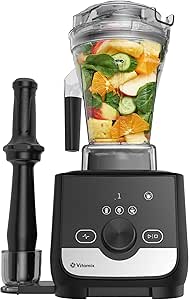
Vitamix Ascent X3 Professional-Grade Blender, 3 Programs, Shadow Black
As an affiliate, we earn on qualifying purchases.
How Window Condensation Forms
The report describes condensation as moisture produced when humid indoor air reaches a colder surface, such as a window. In colder weather, moisture can collect on the glass and run down to the sill. The source frames the guidance as seasonal household advice and focuses on reducing contact between condensation and belongings, as well as avoiding blocked airflow.
Good Housekeeping’s household advice editor Katie is identified in the source material as the report’s author. The supplied information does not include a publication date, expert interviews, laboratory testing or data comparing damage rates across different window types or homes.
What the Advice Cannot Establish
The report does not quantify how much condensation is needed to damage a photograph, book or plant, or how quickly that damage may occur. It also does not say that every home with condensation will develop mold. The risk depends on how much moisture collects, how long surfaces remain damp and the airflow around the window; the source provides no case-specific assessment.
It remains unclear from the supplied material whether the advice was reviewed by an independent building or plant-care specialist. The article offers practical recommendations, not a diagnostic test for the cause of condensation or a guarantee that moving items will resolve an ongoing damp problem.
Practical Steps for Damp Sills
For readers following the report’s advice, the immediate steps are to move books, picture frames and plants away from wet glass, clear unnecessary objects from the sill, and open curtains during the day. Where a window has a trickle vent, the report recommends opening it regularly to improve ventilation. Plants can be kept nearby for light, but the source advises keeping leaves from touching the cold glass.
People dealing with recurring condensation can monitor whether the glass and sill dry after these changes. The supplied report does not set out a repair process or say when professional help is needed; persistent damp or visible mold may require further investigation beyond rearranging the windowsill.
Key Questions
Which items does Good Housekeeping advise moving?
The report names picture frames, plants, books, general clutter and thick curtains. It recommends moving vulnerable objects away from windows where condensation collects and keeping curtains open during the day.
Why are books at risk near a wet window?
The report says moisture may make pages wavy or distorted, and warns that mold spots and a musty smell may follow. It recommends storing books in a dry, cool place away from direct sunlight.
Should plants be removed from windowsills entirely?
The report advises moving plants away from the sill rather than abandoning the window area. It says damp soil may dry slowly, and leaves touching cold glass can be damaged; it suggests keeping plants nearby for sunlight.
What can be done about curtains and condensation?
Good Housekeeping advises opening curtains during the day so air can reach the glass, and not leaving them tucked onto the sill at night. It also mentions opening available trickle vents for added ventilation.
Does clearing a windowsill guarantee mold will not grow?
No. The report presents clearing items and improving airflow as ways to reduce moisture exposure, but it does not claim these steps will prevent mold in every home or address every cause of persistent condensation.
Source: goodhousekeeping.com