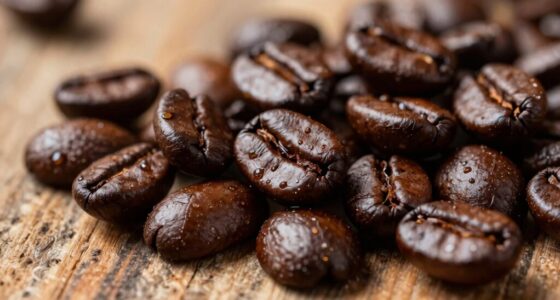
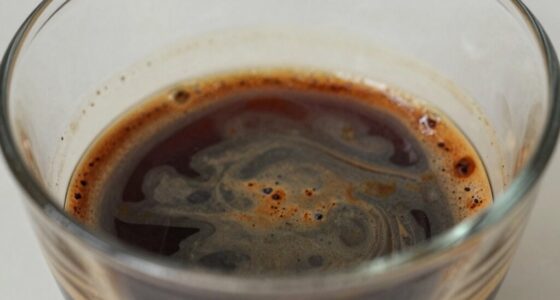
You may notice that freshly ground coffee smells amazing because it releases a burst of aroma full of caramel, nuts, and spices, which excite your senses. However, this aroma doesn’t always match the taste because factors like grind size, brewing time, and water temperature influence flavor more than scent. While the aroma promises a delicious cup, the actual flavor can fall short if brewing variables aren’t optimized. Keep exploring to discover how to truly balance aroma and flavor.

Get coffee and tea gear delivered free — and shop member deals
- Fast, free delivery on millions of items
- Access to Prime Big Deal Days deals on October 6–7
- Prime Video, Amazon Music and more included
Key Takeaways
- Freshly ground coffee releases aromatic compounds that evaporate quickly, enhancing the smell but not always translating into strong flavor.
- Factors like grind size, brewing method, and water temperature can diminish the flavor even if aroma remains rich.
- Aroma is a prelude to flavor but doesn’t guarantee the taste will match the initial scent.
- Immediate aroma from grinding fades rapidly, but flavor development depends on proper extraction during brewing.
- A discrepancy occurs when brewing variables prevent the aroma’s potential from fully translating into taste.

There’s something undeniably inviting about the aroma of freshly ground coffee beans, even if the taste doesn’t always match the promise of that enticing smell. That rich, fragrant coffee aroma immediately awakens your senses, creating an expectation of a flavorful, satisfying cup. You might find yourself drawn in by the complex layers of scent—notes of caramel, nuts, and spices—that signal quality and freshness. This aroma isn’t just pleasant; it’s a vital part of coffee’s appeal, often serving as a prelude to the flavor experience you’re about to enjoy. When you grind your beans just before brewing, you’re unlocking a burst of aroma that heightens your anticipation. This process enhances the overall coffee experience by boosting the sensory appeal, making each cup feel more vibrant and alive. Additionally, understanding the importance of bean freshness can significantly influence both aroma and flavor quality. Proper storage techniques also play a crucial role in maintaining the integrity of those freshly ground beans, ensuring that their aroma remains potent. However, that delightful coffee aroma doesn’t always translate into the same level of flavor when you taste your brew. Several factors come into play here. For example, the grind size matters—too coarse, and you might not extract enough flavor; too fine, and the brew could become overly bitter. Even with the right grind, variables like water temperature, brewing time, and bean quality influence the final taste. Sometimes, despite the beautiful smell, the flavor can fall flat or be a little off, leaving you disappointed. This contrast between aroma and flavor is common and can be frustrating. It’s as if the coffee’s scent promises more than what hits your palate. That’s where understanding flavor enhancement becomes crucial. Fresh grinding is a powerful tool to amplify your coffee’s aroma, but it’s only part of the equation. To truly enjoy the full flavor potential, you need to pay attention to brewing techniques, water quality, and bean freshness. Properly brewed coffee should deliver a harmonious balance of aroma and flavor, where each sip matches the initial scent’s promise. When you master these details, you’ll find that the difference between the smell and taste diminishes, and your coffee becomes a more satisfying experience overall. Until then, know that the scent of freshly ground beans is a reliable indicator of the coffee’s potential—sometimes more reliable than the taste itself.
As an affiliate, we earn on qualifying purchases.
Frequently Asked Questions
Why Does Freshly Ground Coffee Smell Better Than It Tastes?
You notice that freshly ground coffee smells better than it tastes because the aroma develops quickly, releasing complex flavors. As you grind, volatile compounds escape, creating a rich aroma that entices your senses. However, some flavor complexity can diminish when brewed, due to oxidation or over-extraction. So, while the scent is vibrant and inviting, the taste may not fully match the initial aroma, especially if brewing isn’t optimized.
Can the Aroma of Fresh Grinding Vary by Coffee Type?
Imagine the aroma of fresh grinding as a symphony, each coffee type playing its unique tune. Yes, the aroma varies by coffee bean origin and grind size impact. Beans from different regions release distinct scents, while a finer or coarser grind alters how aroma escapes. So, your coffee’s smell can change dramatically depending on its origin and how you grind it, making each brew a new olfactory adventure.
How Long Does the Fresh Grind Aroma Last?
The fresh grind aroma typically lasts about 15 to 30 minutes, depending on factors like coffee type and storage conditions. To maximize flavor longevity and aroma preservation, grind just before brewing and keep the grounds in an airtight container away from light and heat. This way, you’ll enjoy a stronger, more vibrant aroma and better-tasting coffee throughout your brewing session.
Does the Smell Indicate the Coffee’s Freshness?
Yes, the smell indicates freshness, as freshly ground coffee releases aromatic compounds that fade over time. Coffee bean aging affects aroma and flavor, with fresher beans smelling more vibrant. Roast level differences also influence scent; lighter roasts often have brighter, more complex aromas, while darker roasts emit richer, deeper scents. So, a strong, pleasant smell usually means you’re dealing with relatively fresh coffee, but always check the roast and packaging date for certainty.
Why Do Some Spices Smell Strong but Taste Mild?
You notice some spices smell strong but taste mild because their aroma decay happens faster than flavor potency. When spices are ground, their aroma molecules are released quickly, creating a strong smell. However, the actual flavor compounds, which contribute to taste, often last longer and don’t decay as fast. This mismatch means you get an intense aroma but a subtler taste, especially if the spices are old or poorly stored.
coffee grinder for optimal grind size
As an affiliate, we earn on qualifying purchases.
As an affiliate, we earn on qualifying purchases.
Conclusion
So, next time you grind fresh coffee or spices, trust that invigorating aroma. It’s like a promise of flavor yet to come, teasing your senses with a scent that’s richer and more enticing than the actual taste. That fleeting burst of smell whispers secrets of freshness and quality, making every grind a small ritual. Sometimes, the aroma’s magic outshines the taste, inviting you to savor the anticipation as much as the flavor itself.
As an affiliate, we earn on qualifying purchases.
coffee storage airtight container
As an affiliate, we earn on qualifying purchases.
As an affiliate, we earn on qualifying purchases.
Fall Picks
fall essentials
As an affiliate, we earn on qualifying purchases.