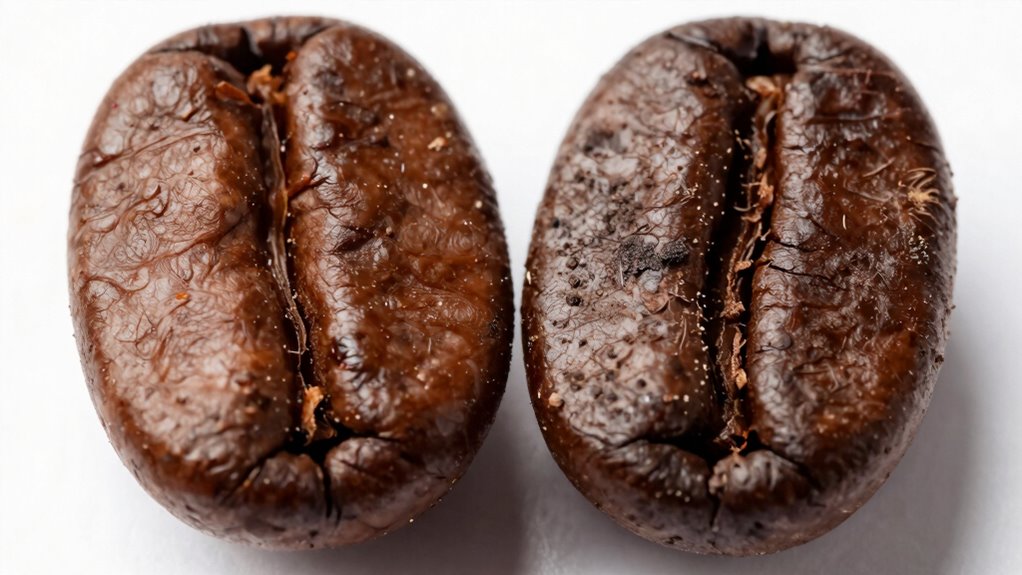

To make your coffee feel clean, choose lighter roasts and washed beans, which highlight brightness and clarity. Proper brewing techniques, like good filtration and correct extraction time, also help eliminate grit and unwanted particles. Processing methods are key—washed beans tend to be cleaner, while natural, dry-processed beans may leave residue or dust. The way you roast and brew directly affects the mouthfeel, so paying attention to these details guarantees a fresh, vibrant cup. Keep exploring to learn more.
Key Takeaways
- Proper processing methods, like washed techniques, reduce residual impurities, ensuring a cleaner coffee feel.
- Light roasts preserve clarity and brightness, contributing to a more clean-tasting cup.
- Adequate filtration during brewing removes particles that cause a dusty or gritty mouthfeel.
- Consistent roasting and processing prevent residual grit or dullness in the final coffee.
- Advanced processing and brewing technologies help achieve a residue-free, crisp coffee experience.
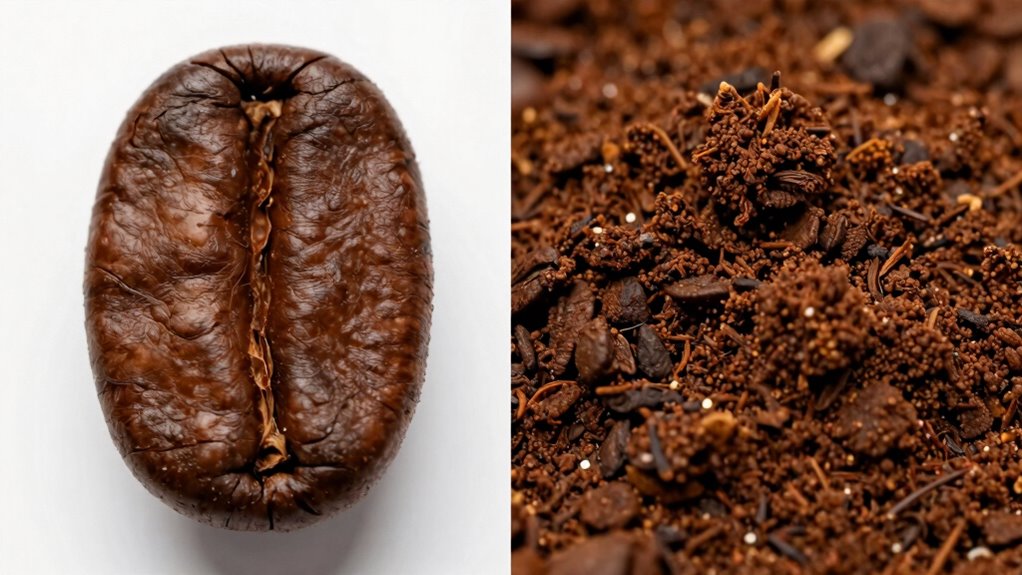
When it comes to coffee, the way it feels on your palate—whether clean or dusty—largely depends on how it’s processed and brewed. The flavor profiles you experience are shaped by a combination of factors, but two critical elements are the roasting techniques used and the way the beans are processed. These steps influence not just the taste, but also the overall mouthfeel, making your coffee feel smooth and vibrant or dull and gritty.
Roasting techniques play a significant role in defining the final flavor profile and texture of your coffee. Light roasts tend to preserve more of the beans’ original characteristics, resulting in brighter, more nuanced flavors that can feel clean on your palate. Dark roasts, on the other hand, develop deeper, more robust flavors but can sometimes introduce a smoky or bitter edge that might be perceived as dusty if not roasted carefully. The key is in the control of roasting time and temperature. Precise roasting brings out desirable flavors without creating burnt or overly bitter notes, which can contribute to a dusty or dull feeling.
Light roasts preserve freshness and clarity, while dark roasts deepen flavors but risk a smoky, dusty finish.
Processing methods also dramatically impact whether your coffee feels clean or dusty. Washed or wet-processed beans are typically cleaner because the outer layers are removed thoroughly, leaving behind beans with brighter, crisper flavor profiles. This processing method minimizes residual impurities, resulting in a cleaner feel on your palate. Conversely, natural or dry-processed beans are dried with the fruit still on the bean, which can sometimes leave behind residual sugars and particles. If not carefully processed and cleaned, these can cause a gritty or dusty sensation when you sip the coffee. Additionally, the processing method impacts the residual impurities and overall cleanliness of the final brew. Proper sanitation during processing is essential to ensure a cleaner final product that doesn’t carry unwanted flavors or particles. Ensuring consistent processing techniques is crucial for achieving a reliably clean cup each time. Furthermore, advances in processing technology have improved the consistency and cleanliness of coffee beans, reducing the chances of residual grit.
Brewing techniques further influence the final experience. Proper filtration, water quality, and extraction time ensure that undesirable particles are removed, emphasizing the coffee’s clean, crisp qualities. If you use coarse grounds or don’t filter well, you might end up with a muddy or dusty mouthfeel. Conversely, a well-executed pour-over or AeroPress method can highlight the bright, lively notes and leave behind no residual grit.
Ultimately, if you want your coffee to feel clean, pay attention to both the roasting process and the way the beans are processed. Choose lighter roasts and washed beans for a clearer, more refined flavor profile. Use proper brewing techniques to filter out any unwanted particles. When these elements come together, your coffee will feel fresh, vibrant, and clean on your palate—free from dust or dullness.

Blue Bottle Whole Bean Organic Coffee, Balanced, Medium Roast, 12 Ounce bag (Pack of 1)
SMOOTH AND BALANCED BLEND: This 12 oz. bag of whole bean organic coffee is a medium-light roast that's…
As an affiliate, we earn on qualifying purchases.
As an affiliate, we earn on qualifying purchases.
Frequently Asked Questions
How Does Storage Affect Coffee’s Cleanliness?
Storing your coffee properly directly impacts its cleanliness, flavor consistency, and freshness preservation. If you keep coffee in an airtight container away from light, heat, and moisture, it stays cleaner and retains its rich flavors longer. Avoiding exposure to air prevents dust, mold, or contaminants from settling in, ensuring your coffee remains fresh and pure. Proper storage methods help maintain the quality and cleanliness you expect from every brew.
Can Water Quality Influence Coffee’s Dusty or Clean Feel?
Think of water quality as the canvas for your coffee’s personality. If you use unfiltered water with high mineral content, it’s like adding dust to a painting—your coffee can feel gritty and dull. But with water filtration, you clear away impurities, allowing the true flavors to shine through, making your coffee feel crisp and clean. So, choose your water wisely to let your coffee’s true character emerge.
Does Roast Level Impact the Perception of Cleanliness?
Yes, roast level impacts your perception of cleanliness in coffee. Light roasts preserve more of the bean’s original flavors, offering clearer flavor clarity and purer aroma purity, which makes the coffee feel fresher and cleaner. Dark roasts tend to mask these qualities with smoky, roasted notes, often making the coffee feel dustier or muddier. So, if you prefer a clean, bright cup, opt for a lighter roast.
How Do Brewing Methods Alter Coffee’s Texture?
Brewing methods directly influence a coffee’s texture through flavor extraction and grind consistency. For example, French press extracts more oils, creating a full-bodied, velvety feel, while pour-over emphasizes clarity and a lighter texture. Using a consistent grind size guarantees even extraction, preventing a gritty or dusty sensation. You can adjust your brewing technique—like steeping time or grind fineness—to optimize texture, making your coffee feel smooth and well-balanced.
Are Certain Coffee Origins More Prone to Dustiness?
Certain coffee origins can be more prone to dustiness due to their flavor profile and processing techniques. For example, coffees from regions with high-altitude, washed processing tend to be cleaner and brighter, reducing dustiness. In contrast, natural or dry-processed coffees often have a bolder, fruitier flavor profile, which can sometimes feel dustier or heavier. Your choice of origin and processing method influences whether your coffee feels clean or dusty.

Amazon Fresh, Just Bright Whole Bean Coffee Light Roast, 32 Oz
Light roast with a crisp and clean flavor
As an affiliate, we earn on qualifying purchases.
As an affiliate, we earn on qualifying purchases.
Conclusion
Ultimately, the subtle differences that make coffee feel clean or dusty are like whispers of refinement in each sip. When you notice a smooth, bright clarity, you’re experiencing a gentle elegance that’s been carefully cultivated. Conversely, a slightly muted or earthy note might hint at a more rustic charm. Embracing these nuances allows you to appreciate the artistry behind each cup, turning an everyday ritual into a delicate dance of flavors and textures.
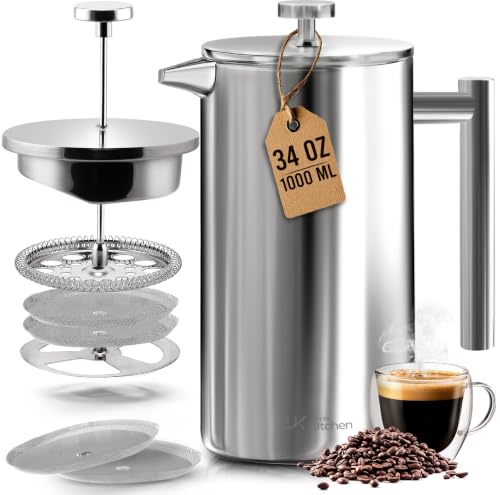
Utopia Kitchen 304 Grade Stainless Steel French Press Coffee Maker 34 Oz, Double Wall Insulated Coffee Press with 4-Level Filtration System, Include 2 Extra Filters, Rust-Free, Dishwasher Safe, Silver
Double-Walled French Press: Make perfectly brewed coffee at home like a barista. The double-walled coffee press is heat…
As an affiliate, we earn on qualifying purchases.
As an affiliate, we earn on qualifying purchases.

Melitta #4 Unbleached Coffee Filters, Natural Brown Cone Filters, 3-Pack
FLAVOR-ENHANCING MICROFINE PERFORATIONS: Unlock the full, rich flavor of your coffee with Melitta’s signature Microfine Flavor Enhancing Perforations…
As an affiliate, we earn on qualifying purchases.
As an affiliate, we earn on qualifying purchases.