Caffeine typically stays in your system for about 3 to 7 hours, but this varies based on factors like age, genetics, liver health, and how much you consume. Your body processes it faster if you’re younger or have a healthy liver, and slower if you’re older or pregnant. Habitual use can also extend its effects. If you want to understand how to make the most of your energy and when caffeine wears off, there’s more to learn.

Get coffee and tea gear delivered free — and shop member deals
- Fast, free delivery on millions of items
- Access to Prime Big Deal Days deals on October 6–7
- Prime Video, Amazon Music and more included
Key Takeaways
- Caffeine’s effects typically last 3 to 7 hours, depending on individual metabolism and factors like age and liver health.
- Genetic differences in enzymes such as CYP1A2 influence how quickly caffeine is processed and eliminated.
- Larger or frequent doses extend caffeine’s stimulating duration and may lead to longer-lasting effects.
- Factors like pregnancy, medications, and lifestyle habits can slow caffeine clearance, prolonging its effects.
- Symptoms of caffeine withdrawal, like fatigue and headaches, indicate the stimulant’s effects are fading, usually within 12-24 hours.
As an affiliate, we earn on qualifying purchases.
How Does Caffeine Keep You Awake?
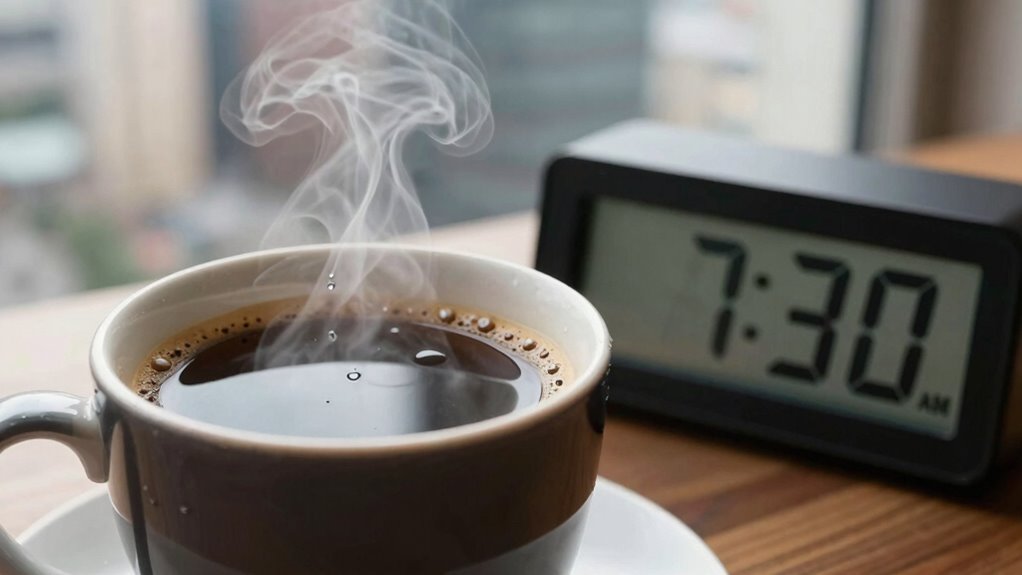
Caffeine keeps you awake by blocking the action of a neurotransmitter called adenosine, which promotes sleep and relaxation. Its chemical structure resembles adenosine, allowing it to bind to adenosine receptors in your brain. When caffeine attaches to these receptors, it prevents adenosine from activating them, reducing feelings of drowsiness. This interruption leads to increased alertness and energy. The impact on sleep is significant because caffeine’s ability to block adenosine can delay sleep onset and decrease sleep quality if consumed later in the day. Your brain perceives less fatigue, making you feel more awake and focused. Understanding caffeine’s chemical structure helps explain how it directly influences your nervous system, keeping you alert but potentially disrupting your natural sleep cycle. Adenosine’s role in promoting sleep is crucial to understanding how caffeine affects your overall sleep patterns. Additionally, individual differences in metabolism can influence how long caffeine’s effects last.
As an affiliate, we earn on qualifying purchases.
How Long Does Caffeine Last in Your Body?

Your body’s rate of metabolizing caffeine influences how long it stays in your system, and this varies from person to person. Factors like age, liver health, and even pregnancy can affect how quickly caffeine clears out. As caffeine leaves your system, you might notice symptoms like reduced alertness or withdrawal effects. Understanding your personal metabolism rate can help you better manage your caffeine consumption. Additionally, maintaining good indoor air quality can support overall health and well-being, which may influence how your body processes substances like caffeine. Being aware of individual differences in caffeine metabolism can also help you make more informed choices about your intake. Recognizing these variations underscores the importance of personalized health awareness in managing consumption habits.
Caffeine Metabolism Rate
The rate at which caffeine is broken down and eliminated from your body varies depending on several factors, including age, liver function, and genetic makeup. When you consume caffeine, it’s quickly absorbed through your digestive system, entering your bloodstream. From there, your liver processes caffeine via specific metabolic pathways. How fast this happens depends on your unique physiology. Additionally, metabolic pathways determine the efficiency of caffeine breakdown, influencing how long its effects last. Variations in metabolic rate can significantly impact how quickly caffeine is cleared from your system, which explains why caffeine lasts longer for some people than others, based on how quickly your body processes and clears it through these metabolic pathways.
Factors Affecting Duration
Several factors influence how long caffeine stays in your system, making its effects last longer or shorter depending on individual circumstances. Your age, body weight, genetics, and liver function all play roles. If you’re prone to caffeine addiction, your body may metabolize it differently, potentially prolonging its effects. Regular consumers might experience milder caffeine withdrawal symptoms when they cut back, but the duration of caffeine’s presence can vary. Additionally, pregnancy, certain medications, and liver health impact caffeine clearance. To visualize, here’s a quick overview:
| Factor | Effect on Caffeine Duration | Notes |
|---|---|---|
| Age | Slower metabolism | Older adults process slower |
| Genetics | Varies per individual | Some metabolize faster/slower |
| Liver function | Increased or decreased rate | Liver health vital |
| Caffeine addiction | Longer effects | Habitual use impacts breakdown |
| Pregnancy | Slower clearance | Due to hormonal changes |
Moreover, metabolism rate can significantly alter how long caffeine remains active in your body. External factors like medication use can also influence caffeine metabolism, making individual experiences quite different. Additionally, liver health plays a crucial role in how efficiently caffeine is processed and eliminated from the body. Factors such as age-related changes can further impact how quickly caffeine is metabolized over time. Understanding these individual differences can help you better manage your caffeine intake and avoid unwanted side effects.
Symptoms of Caffeine Clearance
Once caffeine starts leaving your system, you may notice certain symptoms signaling its clearance. These signs often indicate your body is adjusting after caffeine’s effects diminish.
- You might experience a dip in alertness or feel more sluggish, a common sign of caffeine withdrawal starting to set in.
- Headaches can occur as blood flow shifts, especially if you’ve developed tolerance over time.
- You may also notice increased feelings of fatigue or irritability, signaling that your body is recalibrating without the stimulant.
- Recognizing these symptoms can also be influenced by metabolism rates, which vary among individuals and affect how quickly caffeine is processed. Additionally, individual metabolic differences can impact how long caffeine remains in your system. Factors such as age, genetics, and overall health can further influence caffeine clearance, and the duration of its effects. Variations in liver function can also play a significant role in how efficiently caffeine is metabolized and eliminated from the body. An understanding of biological factors can help explain why caffeine duration varies from person to person.
As an affiliate, we earn on qualifying purchases.
What Factors Affect How Long Caffeine Stays in Your System?

Your age, metabolism, and genetics all influence how quickly caffeine leaves your system. The more caffeine you consume, the longer it might stay active in your body. Additionally, genetic differences can cause some people to process caffeine faster or slower than others. Creating safe and stylish living spaces can also help promote overall well-being, including better sleep patterns that may influence caffeine metabolism. Factors like lifestyle habits and overall health can further impact how quickly caffeine is broken down and eliminated. Moreover, maintaining good indoor air quality through proper ventilation and purification can support overall health, potentially affecting how your body metabolizes substances like caffeine. Proper air quality management can also reduce exposure to environmental factors that might hinder your body’s ability to process stimulants efficiently. Effective air circulation helps remove airborne contaminants that could otherwise impact metabolic processes.
Age and Metabolism Rate
Have you ever wondered why caffeine seems to leave your system faster or slower at different ages? Your age influences how quickly your body processes caffeine due to metabolism variations. Younger adults typically have faster metabolisms, which means caffeine is cleared more quickly. As you age, your metabolism slows down, leading to longer-lasting effects. Additionally, metabolic rate can vary significantly between individuals, further impacting caffeine duration. Consider these factors:
- Age groups: Children and young adults tend to metabolize caffeine faster than older adults.
- Metabolism variations: Genetics and overall health can speed up or slow down how caffeine is processed.
- Lifestyle factors: Activity level and diet also influence your metabolic rate, affecting caffeine clearance.
Understanding your age and metabolic rate helps predict how long caffeine will stay in your system.
Caffeine Consumption Amount
The amount of caffeine you consume directly impacts how long it stays in your system. If you regularly drink large amounts, especially through frequent coffee brewing, you may develop caffeine addiction, which can prolong its effects. Drinking multiple cups quickly leads to higher blood caffeine levels, making it stay longer. Conversely, if you limit your intake, caffeine clears faster. Your body’s response varies depending on how much caffeine you ingest at once, affecting how long you feel its stimulating effects. Keep in mind that larger doses can increase tolerance, meaning you might need more to achieve the same alertness. So, your consumption habits, especially frequent or high-volume coffee brewing, play a vital role in determining caffeine’s duration in your system.
Genetic Differences in Processing
Genetic differences play a significant role in how quickly your body processes caffeine. Your genetic variations influence the efficiency of enzymes involved in caffeine processing, especially CYP1A2. This enzyme determines how fast caffeine is metabolized and cleared from your system.
- Some people have genetic variations that make CYP1A2 highly active, leading to quicker caffeine metabolism.
- Others have less active variants, causing caffeine to stay in their system longer.
- These differences can impact your sensitivity to caffeine, affecting how long its effects last.
Understanding your genetic makeup can help you manage your caffeine intake better. Your genes fundamentally set the pace for how long caffeine stays in your bloodstream, influencing your overall response.
As an affiliate, we earn on qualifying purchases.
How Can You Tell When Caffeine Wears Off?

You can usually tell when caffeine starts to wear off by paying attention to how your body feels. As the stimulating effects fade, you might notice a return of fatigue, sluggishness, or difficulty concentrating. These signs indicate that your caffeine intake is diminishing in effect. If you frequently rely on caffeine, you might also experience early signs of caffeine withdrawal, such as headaches or irritability, once the caffeine’s effects decline. Recognizing these signals helps you understand your body’s response and avoid overdependence. Caffeine dependence can make it harder to notice when caffeine wears off, but being mindful of changes in energy levels and mood will help you gauge when the stimulant’s effects are fading. Paying attention to your body’s cues can also help you maintain a balanced family lifestyle and prevent over-reliance on stimulants.
How Can You Extend Caffeine’s Energizing Effects?
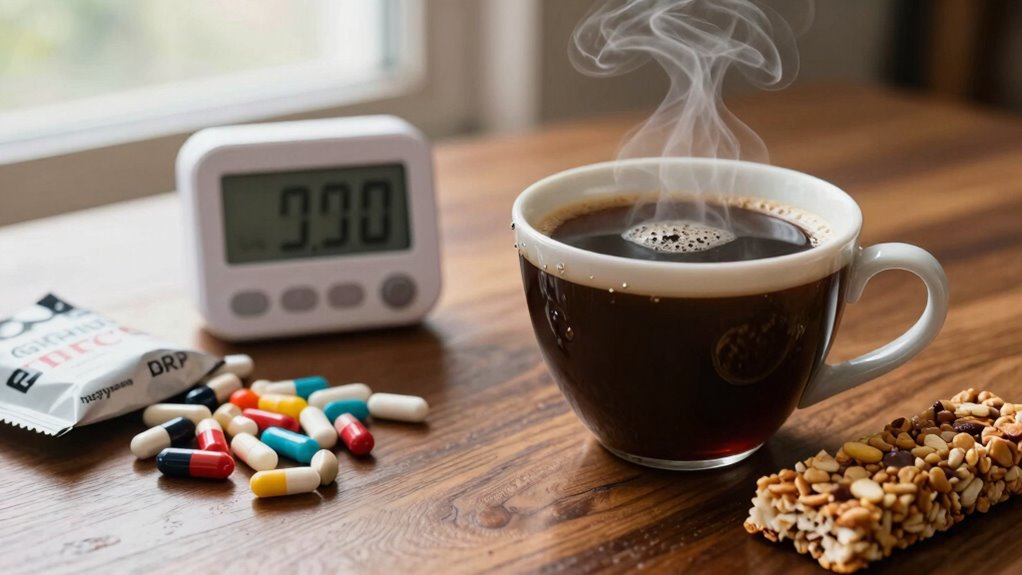
Once you start noticing the signs that caffeine is wearing off, you might wonder how to keep that energy boost going longer. To extend caffeine’s effects, try these strategies:
Notice caffeine wearing off? Try light exercise and healthier alternatives to sustain your energy naturally.
- Incorporate caffeine alternatives like green tea or yerba mate, which provide a gentler, more sustained energy release.
- Practice good sleep management by ensuring you get enough quality sleep overnight, reducing your dependence on caffeine during the day.
- Stay active with light exercise or stretching, which can boost your alertness naturally without relying solely on caffeine.
These tips help you maintain energy levels without overloading on caffeine, which can lead to crashes later. Balancing caffeine intake with healthy habits ensures your energy lasts longer and remains stable throughout the day.
Tips for Managing Your Caffeine Intake for Lasting Energy

Managing your caffeine intake effectively is key to maintaining steady energy levels throughout the day. To avoid crashes, consider incorporating caffeine alternatives like herbal teas or decaffeinated drinks, which provide hydration without the jitters. You can also explore natural energy supplements such as B vitamins or adaptogens, which support sustained vitality. Spread your caffeine consumption evenly, limiting large doses at once, and avoid consuming caffeine late in the day to prevent sleep disturbances. Combining small doses with healthy habits like regular breaks, balanced meals, and physical activity helps keep your energy stable. By managing your intake thoughtfully, you’ll experience more consistent alertness and avoid the highs and lows associated with over-reliance on caffeine.
Frequently Asked Questions
Does Caffeine Affect Sleep Quality Even if It’s Out of Your System?
Yes, caffeine can affect your sleep quality even after it’s out of your system. It can cause sleep disruption by altering your sleep architecture and delaying REM sleep. Caffeine metabolism varies from person to person, so its effects may linger longer in some. Even if you don’t feel its immediate stimulant effects, residual caffeine can interfere with falling asleep or reduce sleep quality throughout the night.
Can Caffeine Tolerance Develop Over Time?
Absolutely, caffeine tolerance can build over time, transforming your energetic boost into a familiar routine. When you regularly consume caffeine, tolerance buildup reduces its stimulating effects, making you less sensitive to its perks. This means you need more to get the same kick, and your caffeine sensitivity diminishes. You might find yourself chasing the initial high, but understanding this process helps you manage intake wisely and avoid dependence.
Are There Health Risks Associated With Excessive Caffeine Consumption?
Excessive caffeine consumption can pose health risks, especially if it leads to caffeine addiction. You might experience increased heart rate, elevated blood pressure, or sleep issues, all affecting your heart health. Overdoing it can also cause anxiety and dependence. To stay safe, limit your intake and monitor how caffeine impacts your body, ensuring you’re not risking your cardiovascular health or developing a dependence on stimulants.
How Does Caffeine Impact Hydration Levels?
Caffeine can impact your hydration balance by acting as a mild diuretic, which may increase fluid retention and lead to dehydration if consumed excessively. While moderate intake usually doesn’t cause significant dehydration, overdoing it can interfere with your body’s fluid regulation. To stay properly hydrated, balance your caffeine consumption with plenty of water, especially if you notice signs of dehydration like dry mouth or fatigue.
Is Decaffeinated Coffee Completely Caffeine-Free?
Decaffeinated coffee isn’t completely caffeine-free. The decaffeination process uses caffeine extraction techniques, like solvent-based or Swiss Water methods, to remove most caffeine. However, a small amount remains, usually about 2-5 milligrams per cup. If you’re highly sensitive to caffeine, this trace amount might still affect you. So, while decaf is much lower in caffeine, it’s not entirely caffeine-free.
Conclusion
Understanding caffeine’s true duration helps you harness its energy without the crash. While it keeps you alert like a trusted friend, overdoing it can turn that friend into a foe. Balance your intake wisely, knowing when its effects fade like a passing storm. By managing your caffeine consumption, you guarantee lasting vitality rather than fleeting buzz—so you stay energized and in control, rather than chasing shadows of that initial spark.
Fall Picks
fall essentials
As an affiliate, we earn on qualifying purchases.