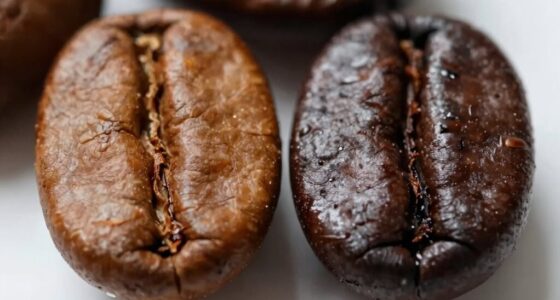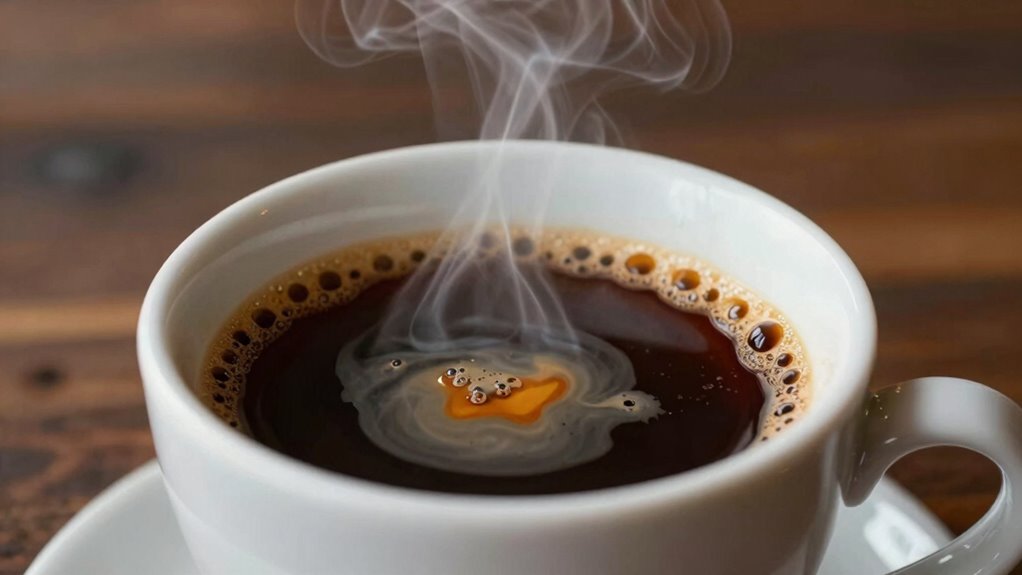

As your coffee cools, its flavors begin to evolve, revealing more complex and subtle nuances. High temperatures mask certain aromas and taste qualities, like fruitiness or floral hints, which become more noticeable as it cools. Cooler coffee also enhances sweetness and reduces bitterness, creating a more balanced experience. Aromatic compounds become more volatile at lower temperatures, enriching the aroma. If you want to discover how your coffee’s flavor shifts over time, there’s more to explore.

Get coffee and tea gear delivered free — and shop member deals
- Fast, free delivery on millions of items
- Access to Prime Big Deal Days deals on October 6–7
- Prime Video, Amazon Music and more included
Key Takeaways
- Cooling enhances subtle flavors like fruitiness and floral notes that are masked at higher temperatures.
- As coffee cools, aromatic compounds become more volatile, enriching the aroma and flavor complexity.
- The perception of sweetness increases while bitterness diminishes, improving overall taste.
- Temperature changes reveal nuanced profiles, allowing a deeper appreciation of the coffee’s craftsmanship.
- Allowing coffee to cool slightly can unlock a fuller, more balanced sensory experience.
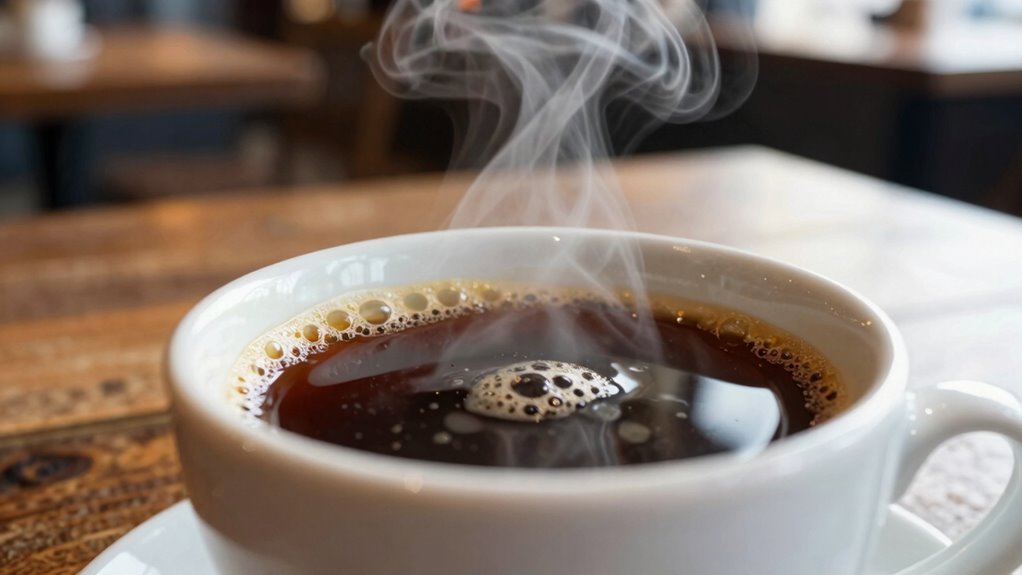
Many coffee enthusiasts find that their favorite brew tastes better as it cools, and this isn’t just a matter of preference—there’s science behind it. As your coffee cools, the way flavor develops shifts, revealing new nuances that might be hidden when it’s hot. Temperature changes influence how your taste buds perceive the complex compounds in coffee, making certain flavors more prominent while muting others. This process is rooted in flavor development, which occurs as the hot liquid interacts with your palate and the aromatic compounds settle into different profiles at various temperatures.
Cooling coffee enhances flavors, revealing nuances and balancing sweetness, bitterness, and acidity for a richer tasting experience.
When you first sip a freshly brewed coffee, the high temperature can mask some of its subtleties. Hotter liquids tend to emphasize acidity and body, giving you a bold impression but sometimes overshadowing delicate notes like fruitiness or floral hints. As your coffee cools, the temperature decreases, and these subtler flavors begin to shine through. The change in temperature allows aromatic molecules to become more volatile, enhancing the overall aroma, which plays a crucial role in how you perceive taste. You might notice a bright citrus note or a floral aroma that was less noticeable when the coffee was steaming hot. This shift in flavor perception is a direct result of temperature changes influencing the release and interaction of flavor compounds.
Furthermore, as the coffee cools, the balance of sweetness, bitterness, and acidity evolves. The initial hot temperature can make the coffee seem more bitter or sharp, but as it cools, the bitterness often diminishes, and the sweetness becomes more apparent. This changeover can make the drinking experience more enjoyable, allowing you to appreciate the full spectrum of flavors the coffee has to offer. The interplay between temperature and flavor development also means that different brewing methods can yield varied tasting experiences over time, with some coffees revealing their complexity only after they’ve cooled. Additionally, understanding how flavor perception shifts with temperature can help you better appreciate the artistry of different brewing styles. Recognizing the influence of temperature on flavor can also guide you in choosing the optimal time to enjoy your brew for maximum enjoyment.
It’s also interesting to note that aromatic compounds become more volatile at lower temperatures, further enriching the sensory experience. In essence, your perception of coffee’s flavor is dynamic and influenced heavily by temperature changes. The cooling process acts like a flavor magnifier, revealing nuances that are less obvious at higher temperatures. By paying attention to how your coffee evolves as it cools, you get a richer, more layered tasting experience—one that highlights the intricate art behind each brew. Understanding these changes can deepen your appreciation for the craftsmanship involved in brewing coffee. Also, paying close attention to how different brewing methods influence flavor development over time can help you tailor your coffee experience to your preferences. So, next time you take a sip, give it a moment to cool down, and see how the flavors unfold before your palate.
As an affiliate, we earn on qualifying purchases.
Frequently Asked Questions
Does the Type of Coffee Bean Affect How It Tastes as It Cools?
Yes, the type of coffee bean affects how it tastes as it cools. Your flavor profile changes based on bean characteristics like origin, roast level, and processing method. For example, some beans develop richer, more complex flavors as they cool, highlighting their unique qualities. You’ll notice that beans with brighter, fruitier profiles often taste better as they cool, revealing subtleties that aren’t as prominent when hot.
How Does the Brewing Method Influence Flavor Changes During Cooling?
The brewing method considerably influences flavor evolution during cooling, as temperature impact varies with extraction techniques. For example, pour-over preserves delicate flavors, allowing subtle notes to emerge as it cools, while French press releases more solubles, intensifying bitterness and body. You’ll notice these changes because the brewing method determines how compounds dissolve and interact during cooling, shaping the overall flavor profile as temperature decreases.
Do Cultural Preferences Impact Perceptions of Cooled Coffee Taste?
Cultural preferences definitely shape how you perceive cooled coffee’s flavor evolution. In some cultures, a colder brew might highlight different aroma notes or reduce bitterness, enhancing sensory perception. Your taste expectations influence whether you find cooled coffee more enjoyable or flat. Over time, exposure to various coffee styles can shift your preferences, making you more receptive to the subtle flavor changes that occur as the coffee cools down.
Can Storage Time Before Drinking Alter How Coffee Tastes When Cooled?
Like a story unfolding, storage time before drinking can considerably alter your coffee’s flavor evolution and aroma development. The longer you wait, the more complex and nuanced the taste becomes as chemical changes unfold. Extended storage allows flavors to meld, enhancing depth, while too much time risks staleness. To enjoy ideal aroma and flavor, drink your coffee within a reasonable window, balancing freshness with the natural evolution of its character.
Is There an Ideal Temperature for Drinking Coffee for Optimal Flavor?
The ideal temperature for drinking coffee is around 140°F (60°C), as it balances flavor retention and temperature perception. At this temp, you experience best flavor without burning your mouth, allowing you to enjoy nuanced aromas and taste. Drinking too hot can mask flavors and cause discomfort, while cooler temperatures enhance flavor complexity. Find that sweet spot for your preference to get the most favorable coffee experience.
As an affiliate, we earn on qualifying purchases.
Conclusion
So, next time your coffee cools, don’t rush to toss it out. Instead, savor the evolving flavors—the secret life of your brew unfolding before your eyes. Just as a fine wine matures with age, your coffee reveals its true character as it cools. Embrace the journey from heat to coolness, for in that shift, you’ll discover a richer, deeper experience. Remember, sometimes the best things in life are waiting in the cool, quiet moments.
As an affiliate, we earn on qualifying purchases.
As an affiliate, we earn on qualifying purchases.
Fall Picks
fall essentials
As an affiliate, we earn on qualifying purchases.