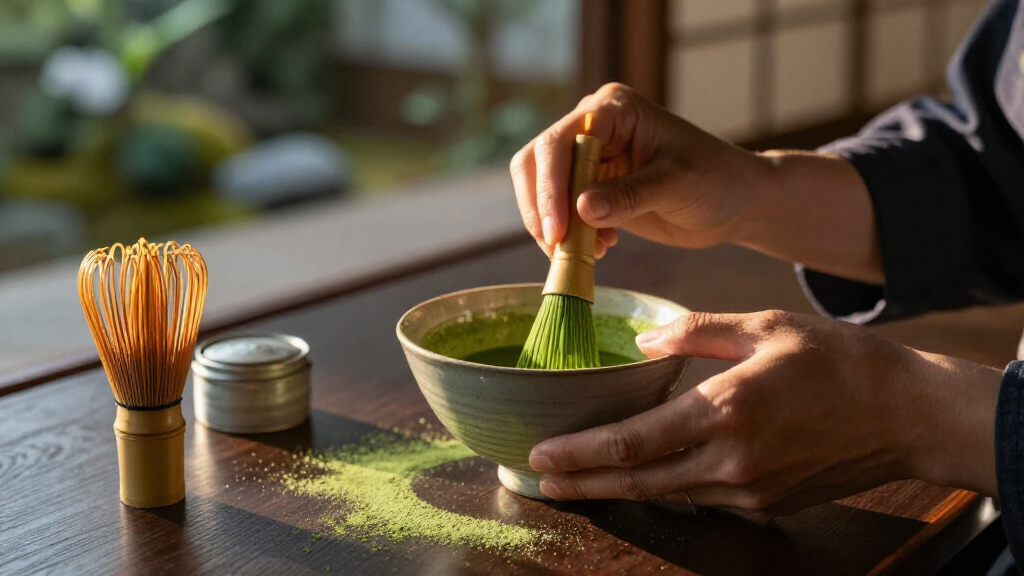
Matcha tea powder ranges from bitter, dull-green culinary bags to vibrant, stone-ground first-harvest tins, and the gap between them shows up the moment you whisk your first bowl. After comparing 15 popular options, Naoki Matcha Superior Blend stands out as the best overall pick for its balanced flavor and drinking-friendly quality, while Jade Leaf’s culinary lineup wins on value for smoothies and baking, and FGO’s 4 oz bag suits first-timers who want quality without committing to a two-pound sack. The main tradeoff in this category is price-per-ounce versus grade: bulk culinary powders like the 2 lb options are cheap but taste astringent on their own, while smaller ceremonial-style tins cost more yet shine when drunk straight. Sweetened latte mixes sit in their own lane, trading purity for convenience. Read on for the full breakdown of every pick, who each one is for, and which ones to skip.

Get coffee and tea gear delivered free — and shop member deals
- Fast, free delivery on millions of items
- Access to Prime Big Deal Days deals on October 6–7
- Prime Video, Amazon Music and more included
Complete the kit


Key Takeaways
- Grade mattered more than brand: every culinary-grade powder in this lineup, including the bulk 2 lb bags from Micro Ingredients, performed well in lattes and baking but tasted thin and astringent when whisked and drunk straight.
- Naoki‘s Superior Blend was the only powder here comfortable in both drinking and mixing roles, which is why it earns the top spot despite a higher cost per gram than the bulk options.
- Jade Leaf appears four times in different sizes and formats, and the sizing logic is clear: the 30 g and 100 g bags suit occasional bakers, while the 1000 g latte mix is the cheapest path for daily latte drinkers.
- Sweetened latte mixes (TAZO and Jade Leaf’s Latte Mix) dissolved more easily than pure powders but cost far more per serving once you account for the added sugar displacing actual matcha.
- Bulk 1–2 lb bags carry a real freshness risk: matcha degrades within weeks of opening, so a 2 lb bag only makes sense for households using it several times a week.
| Matcha DNA Organic Matcha Green Tea Powder, 16 oz |  | Best Bulk Buy for Bakers | Brand: Matcha DNA | Product type: Organic matcha green tea powder | Net weight: 16 oz | VIEW LATEST PRICE | See Our Full Breakdown |
| Organic Matcha Green Tea Powder, 2 lb (907g) – First Harvest Culinary Grade, Japanese Sourced |  | Best Value Per Serving | Weight: 2 lb (907g) | Grade: Culinary Grade | Harvest: First Harvest | VIEW LATEST PRICE | See Our Full Breakdown |
| Jade Leaf Organic Matcha Latte Mix, Original, 500 g |  | Best for Easy Café-Style Lattes | Net weight: 500 g (17.6 oz) | Servings: Approximately 50 | Serving size: 2 teaspoons | VIEW LATEST PRICE | See Our Full Breakdown |
| Jade Leaf Organic Culinary Grade Matcha Powder, 30 g |  | Best Starter Size for Beginners | Brand: Jade Leaf | Product type: Matcha green tea powder | Grade: Culinary | VIEW LATEST PRICE | See Our Full Breakdown |
| Micro Ingredients Organic Japanese Matcha Green Tea Powder, First Harvest, Culinary Grade, 1 lb |  | Best Middleweight All-Rounder | Weight: 1 lb | Origin: Japan | Harvest: First harvest, early spring | VIEW LATEST PRICE | See Our Full Breakdown |
| Jade Leaf Matcha Latte Mix, Original, 1000g / 35.3oz |  | Best for Daily Café-Style Lattes | Weight: 1000g / 35.3oz (2.2 lbs) | Servings: Approximately 100 | Caffeine per serving: 20–30 mg | VIEW LATEST PRICE | See Our Full Breakdown |
| Jade Leaf Organic Culinary Grade Matcha Powder, 100 g (3.53 oz) |  | Best Starter Bag for Unsweetened Matcha | Grade: Culinary grade | Net weight: 100 g (3.53 oz) | Ingredients: 100% Japanese matcha green tea powder | VIEW LATEST PRICE | See Our Full Breakdown |
| Naoki Matcha Superior Blend, Japanese Matcha Powder, 40 g |  | Best for Traditional Usucha Drinking | Origin: Uji, Kyoto, Japan | Harvest: First harvest | Growing method: Shade-grown tencha | VIEW LATEST PRICE | See Our Full Breakdown |
| FGO Organic Matcha Green Tea Powder, 4 oz |  | Best Middleweight All-Rounder | Net weight: 4 oz | Certification: USDA Organic | Verification: Non-GMO Project verified | VIEW LATEST PRICE | See Our Full Breakdown |
| Organic Matcha Green Tea Powder, 1 Pound – Unsweetened Culinary Grade, Stone Ground |  | Best Bulk Value for Matcha Recipes | Weight: 1 lb (454g) | Servings: 151 | Grade: Culinary, stone ground | VIEW LATEST PRICE | See Our Full Breakdown |
| Micro Ingredients Organic Matcha Green Tea Powder, 2 lb, First Harvest Culinary Grade |  | Best Bulk Buy for Baking | Weight: 2 lb | Grade: First harvest, culinary grade | Ingredients: Organic green tea leaves (single ingredient) | VIEW LATEST PRICE | See Our Full Breakdown |
| Jade Leaf Original Matcha Latte Mix, 150 g (5.3 oz) |  | Best Matcha Latte Starter | Net weight: 150 g (5.3 oz) | Servings: Approximately 15 | Caffeine per serving: Approximately 20–30 mg | VIEW LATEST PRICE | See Our Full Breakdown |
| Organic Japanese Matcha Green Tea Powder, Culinary Grade, 1 lb |  | Best Value Unsweetened Pick | Weight: 1 lb (454 g) | Grade: Culinary | Origin: Japanese tea plants | VIEW LATEST PRICE | See Our Full Breakdown |
| TAZO Organic Classic Matcha Latte Powder, Sweetened, 3.5 oz (10 Servings) |  | Best Small-Trial Latte Mix | Size: 3.5 oz | Servings: Approximately 10 | Ingredients: Organic matcha, organic sugar | VIEW LATEST PRICE | See Our Full Breakdown |
| Organic Culinary Grade Matcha Green Tea Powder, 2 lb |  | Best for Daily Smoothie Habits | Weight: 2 lb | Servings: About 302 | Grade: Culinary | VIEW LATEST PRICE | See Our Full Breakdown |
| matcha tea powder | Servings | Weight | Grade |
|---|---|---|---|
| Matcha DNA Organic Matcha Gree | — | — | — |
| Organic Matcha Green Tea Powde | — | 2 lb (907g) | Culinary Grade |
| Jade Leaf Organic Matcha Latte | Approximately 50 | — | — |
| Jade Leaf Organic Culinary Gra | — | 30 g (1.06 oz) | Culinary |
| Micro Ingredients Organic Japa | 151 | 1 lb | Culinary |
| Jade Leaf Matcha Latte Mix | Approximately 100 | 1000g / 35.3oz (2.2 lbs) | — |
| Jade Leaf Organic Culinary Gra | — | — | Culinary grade |
| Naoki Matcha Superior Blend | About 20 | — | — |
| FGO Organic Matcha Green Tea P | — | — | — |
| Organic Matcha Green Tea Powde | 151 | 1 lb (454g) | Culinary, stone ground |
| Micro Ingredients Organic Matc | Approximately 302 | 2 lb | First harvest, culinary grade |
| Jade Leaf Original Matcha Latt | Approximately 15 | — | — |
| Organic Japanese Matcha Green | 151 | 1 lb (454 g) | Culinary |
| TAZO Organic Classic Matcha La | Approximately 10 | — | — |
| Organic Culinary Grade Matcha | About 302 | 2 lb | Culinary |
More Details on Our Top Picks
Matcha DNA Organic Matcha Green Tea Powder, 16 oz
Volume is the story here. A 16 oz bag puts this option in bulk territory alongside the 2 lb culinary pouches in this roundup, but what sets it apart is the third-party impurity testing and BPA-free packaging — details that matter more when a bag this size lives in your pantry for months. Compared with the Micro Ingredients 1 lb, you get a similar organic, unsweetened powder at double the quantity, which makes sense for anyone burning through matcha in baked goods, energy balls, or daily smoothies. The tradeoff is straightforward: this is a workhorse powder, not a sipping matcha, and there is no ceremonial-grade option in the lineup for those who want to whisk and drink it straight.
Pros:- USDA-certified organic with no additives or sweeteners
- Large 16 oz quantity suits high-volume use
- Third-party tested for impurities
- BPA-free packaging
Cons:- Bulk size risks staling before casual users finish it
- No grade designation, so quality for straight drinking is uncertain
Best for: Frequent bakers and smoothie makers who go through matcha quickly and want certified organic powder in bulk
Not ideal for: Anyone wanting a delicate, ceremonial drinking matcha — this quantity and grade are wasted on occasional whisked tea
- Brand:Matcha DNA
- Product type:Organic matcha green tea powder
- Net weight:16 oz
- Certification:USDA Organic
- Packaging:BPA-free
- Testing:Third-party tested for impurities
- Dietary attributes:Gluten-free, vegan, unsweetened, no additives
Our verdict“A sensible bulk purchase for kitchen-heavy matcha users who prioritize organic certification and testing over drinking-grade refinement.”
Organic Matcha Green Tea Powder, 2 lb (907g) – First Harvest Culinary Grade, Japanese Sourced
At 302 servings per pouch, this is the most economical pick in the entire lineup — even cheaper per scoop than the Matcha DNA 16 oz, which already counts as a bulk buy. The first-harvest Japanese sourcing is the differentiator: early-pick leaves generally carry better color and flavor than later harvests, which you notice in lattes where matcha is the main event. Compared with the Micro Ingredients 1 lb, you are getting the same first-harvest culinary pedigree at roughly double the volume. The honest tradeoff is culinary grade itself: whisked straight with hot water, it will taste more bitter and less smooth than a ceremonial option like the Naoki Superior Blend, and a 2 lb pouch demands serious consumption habits to stay fresh.
Pros:- Lowest cost per serving in the roundup
- First-harvest Japanese leaves for better flavor and color
- Free from gluten, dairy, soy, fillers, and common allergens
- Keto-friendly with zero sugar
Cons:- Culinary grade tastes noticeably more bitter when drunk straight
- 2 lb pouch is impractical for low-frequency users to keep fresh
Best for: Daily latte and smoothie drinkers who consume matcha often enough to justify 302 servings
Not ideal for: Weekend matcha users — a pouch this size will lose vibrancy long before it’s finished
- Weight:2 lb (907g)
- Grade:Culinary Grade
- Harvest:First Harvest
- Origin:Japan
- Servings per container:302 (3g each)
- Sugar:0g
- Certifications:Organic, Non-GMO, Non-Irradiated
- Testing:Third-party lab tested
Our verdict“The clear choice for high-volume matcha drinkers who want first-harvest quality at the lowest per-serving cost.”
Jade Leaf Organic Matcha Latte Mix, Original, 500 g
This is the only product in this batch that does the sweetening for you. Blended with organic unrefined cane sugar, it is built to dissolve in warm water, froth with any milk, and produce a café-style latte in under a minute — no whisking skill or sweetener calibration required. Compared with the unsweetened powders here, like the 2 lb culinary pouch, you give up control: the sugar is already in the mix, so bakers and keto drinkers should look elsewhere. The 20–30 mg of caffeine per serving is gentler than coffee and lower than straight matcha, which makes it a solid afternoon option for people sensitive to stronger doses. It is an accessibility pick, not a purist pick, and it owns that honestly.
Pros:- Mixes and froths smoothly without clumping or a whisk
- Works hot or iced with any milk type
- Roughly 50 servings per container
- Lower caffeine per serving than an 8 oz coffee
Cons:- Contains added sugar, removing dosage control
- Not suitable for caffeine-free diets or recipes needing plain matcha
Best for: Latte lovers and matcha newcomers who want a foolproof, sweetened café-style drink at home
Not ideal for: Sugar-avoidant buyers and anyone wanting unsweetened matcha for baking or keto diets — the added cane sugar is baked in
- Net weight:500 g (17.6 oz)
- Servings:Approximately 50
- Serving size:2 teaspoons
- Caffeine per serving:Approximately 20–30 mg
- Sweetener:Organic unrefined cane sugar
- Matcha source:USDA certified organic Japanese matcha
- Dietary attributes:Plant based, gluten free, GMO free, dairy free
Our verdict“The most convenient path to a home matcha latte, provided you accept the pre-sweetened format.”
Jade Leaf Organic Culinary Grade Matcha Powder, 30 g
Sometimes the right buy is the smallest one. At 30 g, this pouch is the lowest-commitment entry in the roundup — ideal for testing whether matcha belongs in your routine before graduating to the Micro Ingredients 1 lb or the giant 2 lb pouch. It shares the same USDA organic, single-ingredient purity as its larger Jade Leaf siblings, made from shade-grown leaves with nothing added, so the flavor you taste is genuinely what the brand offers at scale. Compared with the Jade Leaf Latte Mix, this version gives you full control over sweetness and milk, which matters if you are still calibrating your ideal drink. The drawback is simple economics: small formats always cost more per gram, and devoted daily drinkers will outgrow it fast.
Pros:- Low-risk 30 g size for trying matcha
- USDA-certified organic with a single ingredient
- Shade-grown leaves with vibrant color
- Versatile for tea, lattes, smoothies, and baking
Cons:- Poor per-gram value compared with larger pouches in the roundup
- Culinary grade falls short for traditional whisked tea
Best for: Matcha beginners and curious first-timers who want to sample organic culinary matcha without a bulk commitment
Not ideal for: Established daily matcha drinkers — the 30 g size runs out quickly and costs more per gram than larger pouches
- Brand:Jade Leaf
- Product type:Matcha green tea powder
- Grade:Culinary
- Weight:30 g (1.06 oz)
- Certification:USDA Organic
- Ingredients:Pure matcha green tea leaves
- Dietary attributes:Vegan, naturally gluten-free
Our verdict“A smart toe-in-the-water purchase for newcomers, with an upgrade path to bigger sizes once the habit sticks.”
Micro Ingredients Organic Japanese Matcha Green Tea Powder, First Harvest, Culinary Grade, 1 lb
This is the Goldilocks option of the lineup. The 1 lb size splits the difference between the tiny Jade Leaf 30 g starter pouch and the intimidating 2 lb bulk bags — enough for months of lattes without gambling on freshness. Its first-harvest, early-spring Japanese leaves give it an edge over generic culinary powders with unspecified harvests, and the finely ground texture means it disperses in smoothies and batters without grit, a real annoyance with coarser brands. Allergen-conscious households get soy-, dairy-, gluten-, and tree-nut-free assurance plus third-party testing, matching the rigor of the Matcha DNA bag at a more approachable quantity. The honest limitation: it is still culinary grade, so drinkers chasing the silky sweetness of ceremonial matcha served straight will want a different tier entirely.
Pros:- First-harvest early-spring Japanese leaves
- 1 lb size balances value and freshness
- Finely ground for smooth mixing in drinks and recipes
- Free from soy, dairy, gluten, and tree nuts with third-party testing
Cons:- Culinary grade disappoints when whisked and drunk straight
- Contains naturally occurring caffeine, limiting evening use
Best for: Regular matcha drinkers who want months of supply, verified purity, and first-harvest quality without bulk-buying
Not ideal for: Ceremonial tea enthusiasts — culinary grade lacks the delicacy for drinking matcha plain with hot water
- Weight:1 lb
- Origin:Japan
- Harvest:First harvest, early spring
- Grade:Culinary
- Certification:USDA organic
- Servings:151
- Flavor:Unflavored, earthy
- Testing:Third-party lab tested
Our verdict“The most balanced size-to-quality pick for everyday matcha users who are not ready to commit to two pounds.”
Jade Leaf Matcha Latte Mix, Original, 1000g / 35.3oz
Jade Leaf’s bulk latte mix is built for one job: reproducing a coffee-shop matcha latte at home, and it does that with less fuss than anything else in this lineup. The powder is pre-sweetened with organic cane sugar and milled fine enough to dissolve with a quick frother swirl — no sifting, no clumping, no whisking technique required. Compared with Naoki’s Superior Blend, which demands traditional preparation for its subtle first-harvest flavor, this mix trades nuance for convenience and consistency. Around 100 servings per tub means the per-cup cost stays low, and at 20–30 mg of caffeine per serving it suits anyone who finds coffee or unsweetened culinary matcha too harsh. The real tradeoff: you’re buying a sweetened beverage mix, not pure matcha, so bakers and purists should look at FGO’s unsweetened powder instead.
Pros:- Café-quality latte flavor at a fraction of coffee shop prices
- Mixes smoothly without sifting, whisking, or clumping
- USDA organic with no artificial flavors, sweeteners, or preservatives
- Low 20–30 mg caffeine suits caffeine-sensitive users
Cons:- Contains added sugar, so it won’t work for unsweetened matcha or most recipes
- Needs milk or a frother to hit the full café-style result
Best for: Daily matcha latte drinkers who want café flavor without prep skill or coffee-shop prices
Not ideal for: Purists and bakers who want unsweetened, single-ingredient matcha — the added cane sugar rules out both
- Weight:1000g / 35.3oz (2.2 lbs)
- Servings:Approximately 100
- Caffeine per serving:20–30 mg
- Sweetener:Organic unrefined cane sugar
- Certification:USDA Certified Organic
- Dietary:Plant-based, gluten-free, GMO-free, dairy-free
- Preparation:2 tsp mix + 1/4 cup warm water + milk
Our verdict“This is the pick for people who drink matcha lattes daily and value speed and consistency over traditional nuance.”
Jade Leaf Organic Culinary Grade Matcha Powder, 100 g (3.53 oz)
This 100 g pouch sits in a smart middle ground in Jade Leaf’s own range: bigger than the 30 g starter tin that runs out quickly, but far less commitment than the 2 lb culinary bags elsewhere in this roundup that can go stale before a casual baker finishes them. It’s pure Japanese matcha with zero sweeteners, sourced from Uji and Kagoshima, and it behaves well across both drinks and baked goods — the half-teaspoon serving stirs into water for tea or folds into muffin and pancake batter without turning dishes bitter. Compared with the brand’s latte mix, this powder puts sweetness entirely in your hands, which is exactly what recipe work needs. One practical caution: listings for this product have shown conflicting weights (100 g versus 454 g), so confirm the size before ordering.
Pros:- Single-ingredient organic Japanese matcha with no added sweeteners
- Works in beverages and baked goods alike
- Vegan, gluten-free, dairy-free, and keto friendly
- Right-sized for experimenting without waste
Cons:- Confusing size labeling between title and description makes ordering a gamble
- Culinary grade is too astringent for straight ceremonial-style drinking
Best for: Home bakers and new matcha drinkers testing unsweetened powder in both drinks and recipes
Not ideal for: High-volume latte makers — 100 g disappears fast compared with bulk options like the 1 lb stone-ground bag
- Grade:Culinary grade
- Net weight:100 g (3.53 oz)
- Ingredients:100% Japanese matcha green tea powder
- Certifications:USDA Organic, vegan, gluten-free, dairy-free, keto friendly
- Origin:Uji and Kagoshima, Japan
- Suggested serving:1/2 tsp matcha with 2 oz water
Our verdict“A sensible first bag if you want to try unsweetened matcha in the kitchen without committing to a bulk size.”
Naoki Matcha Superior Blend, Japanese Matcha Powder, 40 g
Where most entries here are culinary workhorses, Naoki’s Superior Blend leans ceremonial: first-harvest, shade-grown tencha from Uji, ground shortly before shipping and sealed airtight — a freshness discipline you won’t find in the bulk bags like the 1 lb stone-ground option, which sits on shelves far longer after milling. The payoff is a smooth, balanced cup with gentle bitterness that stands up to whisking with hot water alone, no milk or sugar needed to smooth it out. It still handles lattes and recipes, but that’s like using good olive oil for deep frying. The honest tradeoff is scale: roughly 20 servings per tin makes this far costlier per cup than anything else in this batch, so it earns its slot as an occasional-drinking upgrade rather than a daily habit.
Pros:- First-harvest, shade-grown tencha from Uji, Kyoto
- Ground fresh and sealed in airtight packets before shipping
- Balanced flavor smooth enough to drink without milk or sugar
Cons:- Only about 20 servings per tin — poor cost per cup
- Overkill if you’re mostly masking matcha in sweetened lattes or baking
Best for: Drinkers who enjoy whisked matcha straight and want first-harvest quality without ceremonial-tier pricing
Not ideal for: Daily latte makers and bakers — 20 servings per tin makes it too precious and pricey to blur through
- Origin:Uji, Kyoto, Japan
- Harvest:First harvest
- Growing method:Shade-grown tencha
- Net weight:40 g (1.4 oz)
- Servings:About 20
- Serving size:2 g (1 tsp)
- Dietary attributes:Gluten-free, sugar-free
Our verdict“Choose this when you want to taste the matcha itself, not the milk and sugar around it.”
FGO Organic Matcha Green Tea Powder, 4 oz
FGO’s 4 oz bag hits a practical sweet spot the extremes in this roundup miss. It’s roughly four times the size of Naoki’s 40 g tin but a quarter of the commitment of the 1 lb stone-ground bag — enough powder to cover daily lattes for weeks, without gambling on freshness by the bottom of a bulk pouch. The powder is finely milled from whole leaf with no fillers, carries both USDA Organic and Non-GMO verification, and the resealable bag does a credible job of keeping it from staling. It performs across the full use spectrum — lattes, smoothies, baking — with the fine grind dissolving without the clumping that cheaper coarse matcha suffers. It won’t match Naoki’s first-harvest refinement for straight drinking, but as a do-everything kitchen staple it’s the least complicated choice here.
Pros:- 4 oz size balances freshness against supply better than bulk bags
- Fine grind dissolves smoothly in lattes and smoothies without clumping
- USDA Organic and Non-GMO verified with no fillers or additives
- Resealable bag helps preserve freshness between uses
Cons:- No defined origin or harvest information, unlike Naoki’s Uji-first-harvest sourcing
- All-rounder character means it excels at nothing in particular
Best for: Households that rotate matcha between lattes, smoothies, and baking and want one bag for everything
Not ideal for: Ceremonial-style drinkers — this grade is built for mixing, not savoring whisked on its own
- Net weight:4 oz
- Certification:USDA Organic
- Verification:Non-GMO Project verified
- Ingredients:Whole-leaf green tea; no fillers or additives
- Form:Fine powder
- Packaging:Resealable bag
Our verdict“If you want one dependable bag that handles every matcha use without excess quantity, this is the low-risk default.”
Organic Matcha Green Tea Powder, 1 Pound – Unsweetened Culinary Grade, Stone Ground
At 151 servings per pound, this stone-ground bag beats everything else in this batch on raw cost per serving — nearly double the count of the 2 lb options‘ implied daily-scoop math and leagues beyond Naoki’s 20-serving tin. It’s a clean-label product: zero sugar, no gluten, soy, dairy, or fillers, and third-party lab tested, a reassurance few competitors here offer. The stone-ground, early spring leaf spec points to decent quality for a culinary grade. But the same traits that make it efficient make it unforgiving: culinary grade carries more astringency, so drinkers used to the sweetened Jade Leaf latte mix will find it bitter on its own, and even FGO’s 4 oz bag is the safer bet if a pound might outlast your habits. This is a volume purchase for people who already know they’ll use it.
Pros:- 151 servings per bag offers the best per-serving value in this batch
- Third-party lab tested for quality and purity
- Zero sugar and free of GMOs, gluten, soy, dairy, and fillers
- Stone ground from an early spring Japanese leaf harvest
Cons:- Culinary grade lacks the refinement for drinking straight
- Unsweetened bitterness can put off fans of sweetened matcha drinks
Best for: Frequent smoothie makers, bakers, and daily latte drinkers who burn through matcha quickly
Not ideal for: Casual or new users — a pound of astringent culinary powder risks going stale and unloved in the pantry
- Weight:1 lb (454g)
- Servings:151
- Grade:Culinary, stone ground
- Certification:Organic, third-party lab tested
- Sourcing:Japanese green tea, early spring leaf harvest
- Dietary:Vegan, zero sugar, non-GMO, gluten-free, dairy-free, soy-free
- Form:Fine stone ground powder
Our verdict“Buy this only if you already consume matcha in volume; everyone else should start smaller.”
Micro Ingredients Organic Matcha Green Tea Powder, 2 lb, First Harvest Culinary Grade
This option stands out for sheer volume: a 2 lb bag with roughly 302 servings at 3 g each, which makes it the most economical choice here for anyone baking or blending matcha regularly. The single-ingredient formula — just organic, shade-green tea leaves, nothing else — means you control the sweetness entirely, unlike the Jade Leaf Latte Mix or TAZO pouches that arrive pre-sweetened. Compared with the 1 lb Organic Japanese Matcha (Product 13), this pick doubles the supply while keeping the same clean-label approach, and the first-harvest designation suggests younger, more vibrant leaves. The tradeoff is honest: culinary grade will taste more astringulent whisked straight, so traditionalists should look at Naoki’s Superior Blend instead.
Pros:- Single ingredient with no fillers, flavors, or added sugar
- Certified organic, non-GMO, and third-party lab tested
- Roughly 302 servings per 2 lb bag
- Free from soy, dairy, gluten, and tree nuts
Cons:- Culinary grade is too bitter for traditional whisked tea
- Bulk size can lose freshness before occasional users finish it
Best for: Frequent bakers, smoothie makers, and cafe-at-home drinkers who burn through matcha quickly and want an unsweetened bulk supply
Not ideal for: Anyone wanting ceremonial-grade matcha for traditional whisked tea — culinary grade tastes bitter without milk or sweetener
- Weight:2 lb
- Grade:First harvest, culinary grade
- Ingredients:Organic green tea leaves (single ingredient)
- Servings:Approximately 302
- Serving size:1 scoop (3 g)
- Certifications:Certified Organic; non-GMO
- Testing:Third-party lab tested for safety and purity
Our verdict“Buy this if you cook or blend with matcha weekly and want the lowest cost per serving; skip it for straight drinking.”
Jade Leaf Original Matcha Latte Mix, 150 g (5.3 oz)
This mix makes the most sense for cafe-style latte drinkers who want to skip the whisking ritual entirely. Lightly sweetened with organic unrefined cane sugar, it dissolves and froths smoothly in warm water before you add milk — hot or iced — which is a lower-friction routine than the unsweetened culinary powders like the 2 lb Organic Culinary Matcha, where balancing bitterness falls on you. With roughly 20–30 mg of caffeine per serving, it sits below a typical cup of coffee, making it a gentler afternoon option. Compared with TAZO’s latte powder, this bag offers more servings and a more dedicated frothing formulation, but both share the same core drawback: added sugar you can’t dial back.
Pros:- Pre-portioned and sweetened for consistent lattes
- Froths smoothly with any milk, hot or iced
- USDA organic with no artificial flavors or preservatives
- Low caffeine per serving compared with coffee
Cons:- Contains added sugar with no unsweetened option in the bag
- Only about 15 servings — pricey per cup versus bulk powders
Best for: Latte lovers transitioning from coffee-shop orders who want a quick, forgiving, lightly sweetened matcha routine
Not ideal for: Unsweetened matcha purists or sugar-conscious buyers — the cane sugar is baked into every serving
- Net weight:150 g (5.3 oz)
- Servings:Approximately 15
- Caffeine per serving:Approximately 20–30 mg
- Sweetener:Organic unrefined cane sugar
- Matcha origin:Japan
- Dietary attributes:USDA organic, plant-based, gluten-free, dairy-free, GMO-free
- Preparation:Mix 2 teaspoons with warm water; add hot or cold milk
Our verdict“This is the easiest on-ramp to matcha lattes at home, as long as added sugar isn’t a dealbreaker.”
Organic Japanese Matcha Green Tea Powder, Culinary Grade, 1 lb
This 1 lb bag hits a middle ground the extremes in this roundup miss: half the commitment of the 2 lb Micro Ingredients bag, but far more servings than the 30 g Jade Leaf culinary tin. That sizing makes it the smartest unsweetened entry point for someone unsure how much matcha they’ll actually use. The powder carries an impressively broad allergen-free profile — gluten, dairy, egg, peanut, soy, wheat, yeast, and tree nut free — plus third-party lab testing, which matters if you’re sharing a kitchen with dietary restrictions. Compared with the 2 lb Organic Culinary Grade option, you trade maximum economy for freshness you can realistically finish. It whisks up more bitter than Naoki’s Superior Blend, so plan on lattes and recipes rather than straight tea.
Pros:- Versatile for lattes, shakes, smoothies, and baking
- Zero added sugar or additives
- Third-party lab tested
- 151 servings in a manageable 1 lb package
Cons:- Culinary grade underperforms for traditional whisked tea
- Allergen-free breadth doesn’t compensate for a more astringent straight-brew flavor
Best for: First-time bulk buyers who want unsweetened versatility at a moderate quantity they can finish before it stales
Not ideal for: Traditional tea drinkers — culinary grade lacks the sweetness and finesse of ceremonial-grade powder
- Weight:1 lb (454 g)
- Grade:Culinary
- Origin:Japanese tea plants
- Servings:151
- Serving size:3 g (1 scoop)
- Sugar:0 g
- Dietary attributes:Non-GMO; gluten-, dairy-, egg-, peanut-, soy-, wheat-, yeast-, and tree nut-free
- Testing:Third-party lab tested
Our verdict“The most balanced unsweetened option here for everyday mixing and baking without over-committing to bulk.”
TAZO Organic Classic Matcha Latte Powder, Sweetened, 3.5 oz (10 Servings)
With only two ingredients — organic matcha and organic sugar — this TAZO pouch is the cleanest-label sweetened mix in the lineup, avoiding the longer formulation path some latte blends take. It earns its spot as the low-commitment trial: about ten servings per 3.5 oz pouch, ideal for testing whether matcha lattes stick before graduating to Jade Leaf’s 150 g bag or an unsweetened bulk powder. Preparation needs nothing more than hot water and milk, and the blend’s minimal bitterness and bright color make it approachable for matcha skeptics. The flip side is real: pre-sweetened means pre-decided, and per-serving economics trail every large-format option in this guide, including the 1 lb culinary bag.
Pros:- Just two organic ingredients, both easy to pronounce
- No whisk or special equipment required
- Works hot, iced, or in smoothies
- Gentle 20–40 mg caffeine per serving
Cons:- Pre-sweetened with no control over sweetness level
- Only about 10 servings per pouch — poor value for regular drinkers
Best for: Matcha-curious buyers who want a small, foolproof, low-caffeine trial before committing to a larger bag
Not ideal for: Unsweetened drinkers and daily latte makers — the sugar is fixed and the pouch empties fast
- Size:3.5 oz
- Servings:Approximately 10
- Ingredients:Organic matcha, organic sugar
- Caffeine per serving:20–40 mg
- Certifications:USDA Organic, Kosher
- Preparation:Mix with hot water and milk; serve hot or iced
Our verdict“A low-risk first taste of matcha lattes; move to bulk unsweetened powder once you know you like it.”
Organic Culinary Grade Matcha Green Tea Powder, 2 lb
This pick makes the most sense for the daily-scoop crowd — the smoothie-and-oatmeal users who want matcha as an ingredient, not a ceremony. The early spring harvest is the differentiator here: younger leaves typically mean brighter color and a slightly smoother flavor than generic second-harvest culinary powders, which shows up in how it behaves in milk-based drinks. Like Micro Ingredients’ 2 lb bag, it delivers roughly 302 servings with zero sugar and third-party testing, so the choice between them comes down to harvest timing versus first-harvest labeling confidence. Both share the same practical issue: once opened, a 2 lb bag of matcha degrades, so anyone not scooping several times a week should drop down to the 1 lb option instead.
Pros:- Early spring harvest for brighter flavor and color
- Unsweetened with zero sugar, dairy, GMOs, gluten, soy, or fillers
- About 302 servings for heavy daily use
- Third-party lab tested
Cons:- Culinary grade falls short for traditional tea preparation
- Bulk quantity risks staling for light users
Best for: High-frequency users who scoop matcha into smoothies, tea, or recipes nearly every day and want organic quality in bulk
Not ideal for: Occasional drinkers — a 2 lb bag will lose color and flavor long before they finish it
- Weight:2 lb
- Servings:About 302
- Grade:Culinary
- Harvest:Early spring
- Source:Japanese green tea leaves
- Sugar:Zero (unsweetened)
- Testing:Third-party lab tested
- Dietary attributes:Organic, vegan, non-GMO, gluten-free, soy-free, dairy-free
Our verdict“The bulk choice for people whose blender runs daily; everyone else should size down to 1 lb or smaller.”
How We Picked
I evaluated each matcha tea powder on four factors that actually change the buying decision. Grade and intended use came first: culinary-grade powders were judged on how they behave in lattes, smoothies, and baked goods, while anything marketed for drinking was judged on sweetness, bitterness balance, and finish. Cost per gram was calculated across the 30 g tins up to the 2 lb bags, because packaging size swings the price dramatically in this category. Origin and harvest claims were compared too — Japanese-sourced, first-harvest powders generally delivered brighter color and cleaner flavor than unmarked bulk blends. Finally, I weighed freshness practicality: how quickly a reasonable household can finish the package before the powder dulls.
The ranking follows use case rather than pure quality. Powders versatile enough for both drinking and cooking landed near the top, bulk value picks filled the middle for high-volume users, and sweetened convenience mixes and awkwardly sized bags rounded out the bottom. Where two products are nearly identical — as with the several Jade Leaf sizes — I favored the size that best matches how people actually consume matcha.
| matcha tea powder | Grade |
|---|---|
| Matcha DNA Organic Matcha Gree | — |
| Organic Matcha Green Tea Powde | Culinary Grade |
| Jade Leaf Organic Matcha Latte | — |
| Jade Leaf Organic Culinary Gra | Culinary |
| Micro Ingredients Organic Japa | Culinary |
| Jade Leaf Matcha Latte Mix | — |
| Jade Leaf Organic Culinary Gra | Culinary grade |
| Naoki Matcha Superior Blend | — |
| FGO Organic Matcha Green Tea P | — |
| Organic Matcha Green Tea Powde | Culinary, stone ground |
| Micro Ingredients Organic Matc | First harvest, culinary grade |
| Jade Leaf Original Matcha Latt | — |
| Organic Japanese Matcha Green | Culinary |
| TAZO Organic Classic Matcha La | — |
| Organic Culinary Grade Matcha | Culinary |
Factors to Consider When Choosing Matcha Tea Powder
Before picking a specific bag, it helps to understand what actually separates a matcha powder you’ll love from one that sits half-empty in your pantry. These are the factors that shaped this ranking — and the mistakes that trip up most first-time buyers.Culinary vs. Ceremonial Grade: The Label Isn’t Everything
Culinary grade is designed to hold its own against milk, sugar, and flour, which means it’s more bitter and less aromatic than ceremonial grade — and that’s fine if you’re making lattes or muffins. The mistake to avoid is buying culinary grade expecting a smooth drinking experience; whisked with plain water, most culinary powders taste grassy and harsh. The reverse mistake is paying ceremonial prices for powder you’ll only bake with. Most bags in this roundup are culinary grade, which tells you where the market is: unless you drink matcha straight daily, culinary is the smarter buy. That said, grade labels are unregulated, so one brand’s “culinary” can taste better than another’s “premium.” Color is your best tell — a vivid, almost neon green signals younger leaves and better processing, while olive-drab powder signals older or lower-quality leaf.
Package Size and Freshness Windows
Matcha is one of the few pantry items that genuinely punishes bulk buying. Once opened, oxidation dulls both the color and the delicate sweetness within roughly four to eight weeks, even in a sealed tin. A 2 lb bag contains somewhere around 180 servings — realistic only for a household of daily latte drinkers or a small café. Buying the 30 g size when you make matcha twice a month isn’t being frugal; it’s protecting your investment. A good rule of thumb: buy the smallest size that gets you through a month of your actual habit, then scale up only if you’re constantly running out. Also check the harvest or packaging date if listed — matcha from the current year’s first spring harvest will taste noticeably livelier than older stock.
Origin: Why Japan Still Matters
True matcha is shade-grown and stone-ground in Japan, primarily in Uji, Nishio, and Kagoshima, and those regions’ leaves produce the sweetness and umami the style is known for. Chinese-grown green tea powder can look similar and cost less, but it often lacks the shading process that concentrates amino acids, resulting in a flatter, more bitter cup. Most reputable brands in this price range state “Japanese sourced” or name the region — vague labeling is a yellow flag worth taking seriously. That said, origin matters most for drinking matcha; if the powder is destined for a banana smoothie or green pancakes, the difference shrinks considerably. Decide how you’ll consume it before paying the Japanese-origin premium.
First Harvest vs. Later Flushes
First harvest (also called first flush) means the leaves were picked in early spring, when the plant’s amino acid content peaks. This translates directly into natural sweetness and a smoother mouthfeel — less need to mask bitterness with sweetener. Second and third flushes are cheaper, more bitter, and better reserved for recipes with strong flavors. Several bulk options in this roundup advertise first harvest, which is genuinely good value at their price point, but the claim is only meaningful if the powder is also fresh. If a bag has been sitting in a warehouse for a year, the harvest advantage is largely gone. Treat first harvest as a tiebreaker between two comparable powders rather than a reason to buy on its own.
Pure Powder vs. Sweetened Latte Mixes
Latte mixes like the TAZO and Jade Leaf options pair matcha with sugar and sometimes milk powder, dissolving instantly with no whisking and no recipe guesswork. The tradeoff is twofold: you’re paying matcha prices for sugar by weight, and you lose control over sweetness and strength. If you drink lattes daily and value speed, the per-serving math can still work out. But if you already own a whisk or a small blender, pure powder plus your own sweetener gives you flexibility — the same bag can make a latte today and cookies tomorrow. Beginners often start with a mix, then graduate to pure powder once they settle on their preferred ratio; there’s no shame in that path.
Stone-Ground Processing and Texture
Traditional stone mills grind matcha slowly at low temperature, preserving color and producing a fine, silky powder that suspends evenly in water. Ball-milled or hammer-milled powder is cheaper to produce but often slightly coarser, which shows up as grit at the bottom of your bowl and clumps in cold liquids. For hot lattes and baking, this difference barely registers. For drinking matcha straight or making iced matcha without a blender, texture matters a lot. A quick check: rub a small pinch between your fingers — quality powder should feel like eye shadow, not flour. Several culinary brands advertise stone-ground processing even at bulk prices, which is one of the easiest quality signals to shop for.
Frequently Asked Questions
Can I use culinary-grade matcha for drinking if I add milk and sweetener?
Yes, and this is exactly what culinary grade is built for. Milk’s fat and a modest amount of sweetener soften the bitterness and thin body that make culinary powders unpleasant on their own. The bulk 1–2 lb options in this roundup, like the Micro Ingredients first-harvest bags, make genuinely good lattes at a fraction of drinking-grade cost per cup. The caveat is proportion: culinary matcha usually needs a bit more powder per serving to achieve comparable flavor intensity, so the price gap narrows somewhat. If you’ll occasionally drink matcha straight, though, a mid-tier option like Naoki’s Superior Blend covers both uses without compromise.
Is a 2 lb bag of matcha ever a smart purchase?
Only for high-frequency users. A 2 lb bag holds roughly 180 one-gram servings, so a solo daily latte drinker needs six months to finish it — well past the four-to-eight-week window where opened matcha stays at peak flavor. Households where two or three people drink matcha daily, or anyone baking with it weekly, can realistically work through it fast enough. Refrigeration in an airtight, light-proof container extends the window but doesn’t stop oxidation entirely. If you’re matcha-curious or drink it a few times a week, the 30–100 g sizes protect your money even though the per-gram cost is higher.
What’s the real difference between the Jade Leaf powders and latte mixes?
Jade Leaf’s pure powders are 100% matcha, while their Latte Mix products combine matcha with cane sugar and milk powder for instant preparation. The pure powders give you full control — you can sweeten to taste, use them in recipes, or drink them plain — and cost less per gram of actual matcha. The latte mixes dissolve instantly in hot or cold liquid with no whisking, which is a genuine convenience for office or travel use. Essentially you’re paying a premium for the sugar and the convenience while getting less matcha per serving. Daily drinkers who enjoy the ritual tend to prefer the pure powder; people who want matcha to be as easy as instant coffee gravitate to the mix.
How can I tell good matcha from bad before tasting it?
Color is the most reliable signal: high-quality matcha is a bright, electric green, while lower-quality powder trends toward olive, khaki, or brownish-green. Fineness is the second clue — rub a pinch between fingers and it should feel silky, not grainy, because coarse grinding indicates faster, cheaper milling. Aroma matters too: fresh matcha smells sweet and vegetal, almost like fresh-cut grass, whereas stale powder smells flat or faintly like hay. Origin labeling helps; powders naming a Japanese region tend to be more consistent than those with vague sourcing. None of these checks require tasting, which makes them useful when comparing bags online — check the brand’s photos and harvest claims carefully.
Do I need a traditional whisk and bowl, or will any preparation method work?
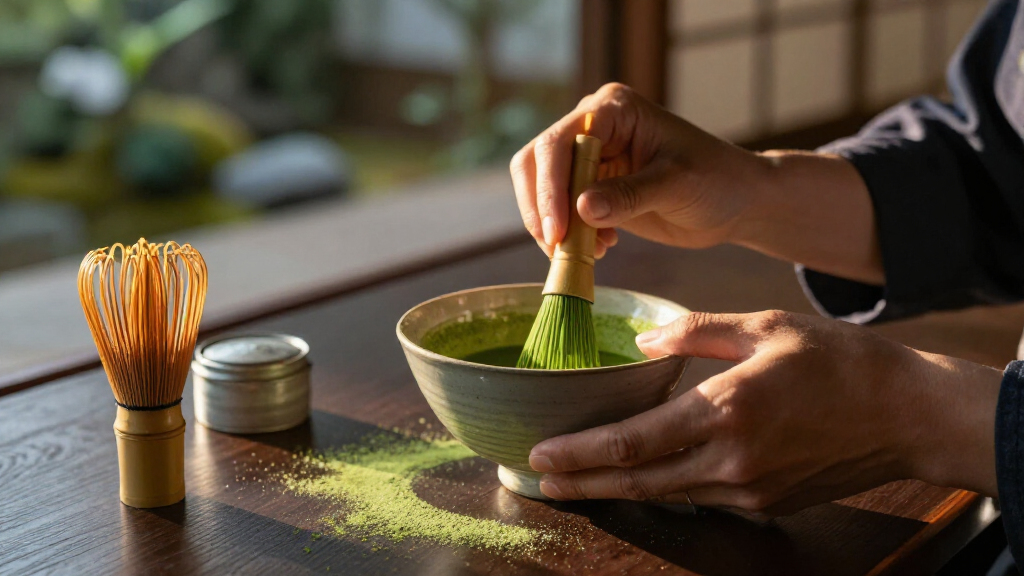
A bamboo whisk (chasen) does the best job of breaking up matcha’s fine particles in hot water, producing the smooth, frothy texture traditionalists expect — but it’s not mandatory. A small electric milk frother, a shaker bottle, or a few seconds in a blender all work well, especially for lattes where milk helps suspend the powder. Cold preparations are where whisking struggles: iced matcha really benefits from a blender or shaker, because matcha clumps in cold liquid. If you’re starting with one of the sweetened latte mixes, plain stirring is usually enough since the added sugar and milk powder help dissolution. Match your tools to your format — the powder choice matters more than the equipment.
Conclusion
The right matcha tea powder depends less on which bag ranks highest and more on how often you’ll open it. For best overall, Naoki Matcha Superior Blend earns the top spot as the one powder here that handles both drinking and mixing with equal confidence. For best value, the Micro Ingredients First Harvest 1 lb and the generic 2 lb first-harvest culinary bags deliver the lowest per-gram cost with respectable quality — ideal for daily latte and smoothie drinkers. For beginners, FGO’s 4 oz bag and Jade Leaf’s 30 g size offer low-commitment entry points, while TAZO’s sweetened latte powder is the gentlest on-ramp of all for anyone who wants to skip the whisk entirely. For specific needs, Jade Leaf’s 1000 g Latte Mix is the pick for high-volume households that value speed, and the Matcha DNA 16 oz suits frequent bakers who go through powder quickly. Whatever you choose, buy the size you can finish within a couple of months — fresh, mid-grade matcha will always taste better than premium powder gone stale.
Fall Picks
fall essentials
As an affiliate, we earn on qualifying purchases.