
TL;DR
Different coffee brewing equipment impacts flavor, control, and ease of use. Picking the right gear—like grinders and brewers—can dramatically improve your coffee experience, especially when matched to your style and budget.
Imagine waking up to a cup that hits all the right notes—rich, smooth, perfectly balanced. Now, think about the equipment behind that magic. From simple pour-overs to sophisticated espresso machines, your gear shapes every sip.
Today, you’ll learn how different coffee brewing equipment influences flavor, control, and convenience. Whether you’re a weekend hobbyist or a daily enthusiast, understanding your options helps you craft better coffee and avoid costly mistakes.
Invest in a quality burr grinder—ground uniformity impacts flavor more than the brewing method itself.
Choose equipment aligned with your coffee style and routine for better results and enjoyment.
Recent innovations like grind-by-weight and smart controls bring café-level precision home.
Water quality, temperature, and grind size are your coffee’s best friends—pay attention to each.
Keep your equipment clean and maintained; it’s the secret to consistent, great-tasting coffee.
Why Your Coffee Equipment Choices Matter More Than You Think
Your gear impacts extraction, flavor clarity, and consistency. For instance, a cheap blade grinder can chop beans into uneven particles, leading to over-extraction (bitter, harsh tastes) or under-extraction (sour, weak flavors). In contrast, a quality burr grinder produces uniform grounds, which ensure even extraction and optimal flavor development. This means your coffee will taste more balanced and complex, revealing subtle notes in your beans.
Choosing the right equipment isn’t just about aesthetics or brand prestige; it’s about the control you have over variables like temperature, flow rate, and pressure. These factors directly influence how well the coffee’s soluble compounds are extracted. Poor control can lead to underwhelming, flat brews or over-extracted, bitter ones. Think of your equipment as the conductor of an orchestra—well-calibrated tools coordinate the process to produce a harmonious cup. The tradeoff often involves balancing cost with precision: high-end machines offer fine control but may be expensive, while manual tools require skill but can be more affordable and engaging.
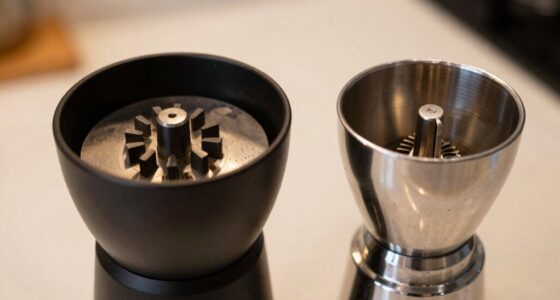
burr coffee grinder with grind-by-weight
As an affiliate, we earn on qualifying purchases.
As an affiliate, we earn on qualifying purchases.
Main Coffee Brewing Equipment: What’s Out There and Why It Matters
Here’s a snapshot of popular brewing methods, each with its unique charm and implications for flavor, control, and user experience:
| Type | What It Does | Best For |
|---|---|---|
| Drip Coffee Maker | Brews multiple cups with even water distribution and temperature control, ensuring consistent extraction across batches | Convenience and daily use, especially when making multiple cups quickly |
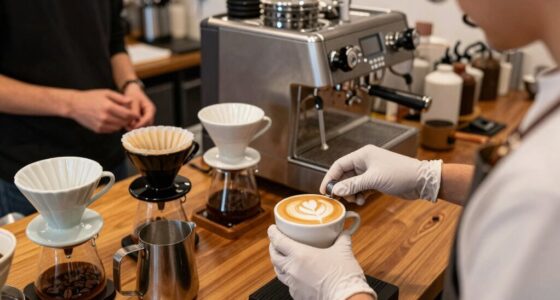
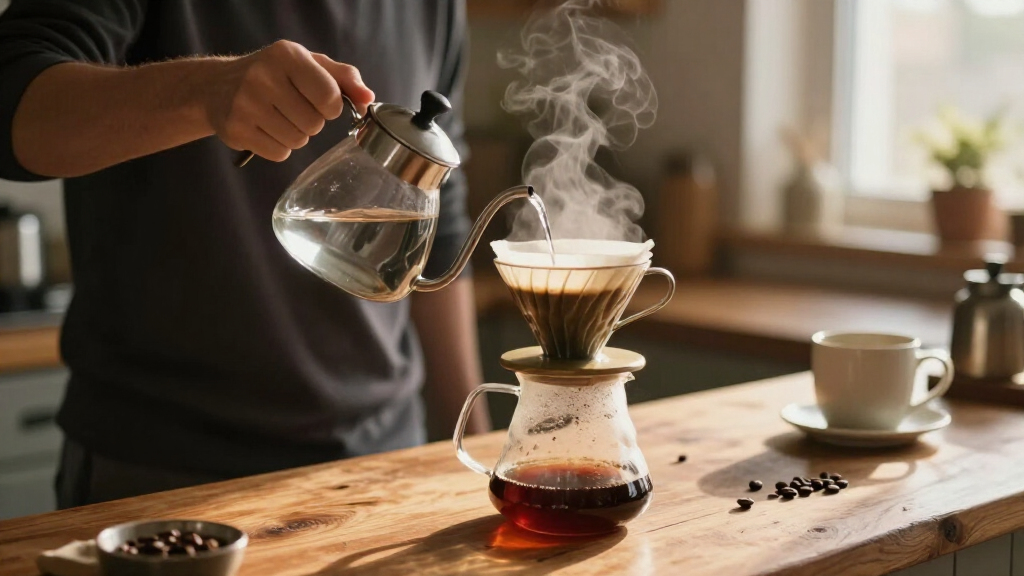
| Pour-Over | Manual control over flow rate, temperature, and timing allows for precise extraction, highlighting subtle flavors | Flavor clarity, control over brewing variables, and a hands-on experience that fosters appreciation of brewing nuances |
| French Press | Full immersion brewing extracts oils and fine particles, resulting in a heavier, richer brew with more body | Rich texture and simplicity; ideal for those who prefer a full-bodied cup |
| AeroPress | Combines pressure and immersion, allowing for quick, versatile brewing with control over variables | Quick, portable, and customizable brewing—great for experimenting or travel |
| Espresso Machine | High-pressure extraction creates concentrated, intense coffee with complex flavors and crema | Strong, bold shots for espresso lovers; requires skill and control |
| Cold Brew System | Steeps coffee grounds in cold water over hours, extracting smooth, low-acid flavors | Smooth, refreshing cold coffee with a different flavor profile; ideal for make-ahead prep |
Each equipment type influences flavor, texture, and ease of use differently. For example, a French press allows oils and fine particles into your cup, creating a heavier, more robust body that emphasizes richness and depth. Conversely, pour-over methods use paper filters to trap oils and fine particles, resulting in a cleaner, brighter, and more delicate cup. These differences matter because they align with personal taste preferences and desired flavor profiles. Additionally, some methods require more skill and attention, offering greater control, while others prioritize convenience. Weighing these tradeoffs helps you select the method that best fits your lifestyle and palate.
As an affiliate, we earn on qualifying purchases.
The Critical Role of a Good Grinder in Coffee Quality
If you want a truly excellent cup, start with your grinder. Coffee beans are best when freshly ground, especially if you aim for consistent particle size. A burr grinder—whether flat or conical—delivers uniform grounds, which are essential for even extraction. Uneven grounds from a blade grinder create variability—some particles over-extract, others under-extract—leading to inconsistent flavor, bitterness, or sourness. The implications are significant: a better grind results in more precise control over extraction, allowing you to highlight the beans’ nuanced flavors and achieve a balanced profile.
Imagine trying to paint with a brush that splatters paint randomly versus one that applies a smooth, even stroke. That’s what your grinder does for your coffee. The right grinder can make the difference between a flat, dull brew and a vibrant, complex cup. Investing in a quality burr grinder—costing roughly $100-$300—may seem high initially, but it pays dividends through improved flavor clarity, better extraction, and consistency. Many modern grinders feature grind-by-weight technology, ensuring precise dosing that minimizes waste and optimizes flavor extraction, especially important for espresso and pour-over methods where particle size and dose are critical.

Veken French Press Coffee Maker, No Plastic Touching Cafe,34oz 1 L Cafetera
- Material: 304 stainless steel and food-grade silicone
- No Plastic Contact: All brewing surfaces are plastic-free
- Glass Carafe: High borosilicate glass resists thermal shock
As an affiliate, we earn on qualifying purchases.
As an affiliate, we earn on qualifying purchases.
Matching Equipment to Your Coffee Style and Routine
Choosing your gear depends on how you like to enjoy coffee. Do you want quick, consistent mornings? An automatic drip machine with a built-in grinder might be perfect, providing ease and speed. Prefer experimenting with flavors and brewing techniques? A pour-over or AeroPress gives you control over variables, making the process engaging and educational. For espresso aficionados, a semi-automatic machine paired with a quality burr grinder ensures you can craft rich, velvety shots with precision. If you love cold coffee, dedicated cold brew systems or a large French press simplify the process and deliver smooth, low-acid drinks. Understanding your routine and taste preferences helps you prioritize features like speed, control, and complexity.
Here’s a quick guide:
- Speed & Convenience: Automatic drip or capsule machines that require minimal effort and time
- Flavor & Control: Pour-over or French press for those who enjoy customizing and fine-tuning their brew
- Espresso Enthusiasts: Semi-automatic espresso machine + burr grinder for professional-level shots
- Cold Brew Fans: Cold brew system or a large French press for easy, make-ahead cold coffee
espresso machine with temperature control
As an affiliate, we earn on qualifying purchases.
As an affiliate, we earn on qualifying purchases.
Latest Trends Making Home Coffee Better Than Ever
Technology is transforming home brewing in exciting ways. Adjustable temperature and pressure profiling, once only found in commercial cafes, are now affordable for serious home enthusiasts. These features allow precise control over extraction, leading to more consistent and high-quality results. Some grinders now measure dose weight automatically, reducing waste and ensuring consistency with every brew. Smart machines with app connectivity enable you to set recipes, schedule brewing times, and receive maintenance alerts, making the process more convenient and customizable than ever before. Portable devices like rechargeable kettles and travel espresso makers cater to busy mornings or outdoor adventures, expanding where and how you can enjoy quality coffee. Eco-friendly innovations, like recyclable capsules and reusable filters, help reduce waste without sacrificing convenience. The rise of data-driven brewing—using apps and refractometers—enables enthusiasts to analyze and replicate their favorite brews with remarkable precision. These trends collectively elevate home brewing, making it more accessible, controlled, and sustainable.
What to Consider When Buying Your Coffee Equipment
Before buying, think about:
- Type of coffee you love—espresso, filter, cold brew—since different equipment excels at specific styles and can influence your overall experience
- How much coffee you make daily—single servings or multiple cups—affects the size and capacity you need
- How much control you want—manual methods offer more finesse but require skill; automatic machines prioritize convenience
- Budget and accessories—consider the cost of grinders, filters, and maintenance to ensure long-term satisfaction
- Counter space and setup—larger machines may need dedicated space; compact options suit smaller kitchens
- Ease of cleaning and maintenance—a clean machine performs better and lasts longer, so consider how easy it is to service
- Water quality—using filtered or soft water prevents scale buildup and enhances flavor
- Replacement parts and warranty—reliable support and parts availability save headaches down the line
Often, investing in a good grinder and quality filters yields better results than splurging solely on an expensive machine. Balancing these factors ensures you select equipment that fits your needs and enhances your brewing experience.
Common Mistakes That Sabotage Your Coffee Experience
Many home baristas fall into traps that ruin their brew. Using stale beans or pre-ground coffee can dramatically diminish flavor because fresh, whole beans retain more of their aromatic oils until ground. Over- or under-extracting—often from incorrect grind size or temperature—leads to undesirable tastes: sour, bitter, or flat. Rushing the process or neglecting proper technique hampers flavor development. Another mistake is relying on cheap equipment. A blade grinder, for example, makes uneven grounds, which causes inconsistent extraction. Similarly, cheap machines often lack precise temperature control, leading to under-extraction or over-extraction. Ignoring regular cleaning causes buildup of oils, minerals, and coffee residues, which can spoil taste and damage equipment over time. For example, a friend once bought a fancy espresso machine but used tap water without filtration. Minerals quickly clogged the system, leading to costly repairs and poor taste. Simple steps like descaling, regular cleaning, and using filtered water can significantly extend your equipment’s life and improve flavor. Recognizing these pitfalls and adopting good practices ensures every cup is better and your investment lasts longer.
Your Top Questions About Coffee Equipment—Answered
Which brewer is best for beginners? Automatic drip and immersion brewers are straightforward and forgiving, making them ideal for those new to coffee. They require less technique and often come with preset functions, reducing the chance of errors. Despite their simplicity, many produce excellent results, especially if paired with a good grinder and quality beans.
Is a burr grinder worth it? Absolutely. Burr grinders provide consistent particle size, which is crucial for even extraction. This consistency translates into better flavor, aroma, and clarity—particularly important for brewing methods like espresso or pour-over where precision is key. While they are more expensive than blade grinders, the improvement in quality often justifies the investment.
Should I buy the grinder or espresso machine first? Focus on the grinder initially. A high-quality burr grinder enhances the performance of any machine you choose later, whether espresso or drip. It allows you to optimize extraction and flavor, and many affordable grinders are capable of handling multiple brewing styles. Upgrading your grinder first ensures that your investment in a machine will yield better results and a more satisfying experience.
What grind size should I use? Follow your brew method’s recommendations—finer for espresso, medium for drip, coarse for French press. However, taste adjustments are often necessary: if your coffee tastes sour or weak, try a finer grind; if it’s bitter or over-extracted, coarsen the grind. Experimentation with timing and grind size helps you find the perfect balance for your specific beans and equipment.
Are manual or automatic brewers better? It depends on your priorities. Manual brewers, like pour-over and AeroPress, give you greater control over variables such as flow rate, temperature, and brew time, allowing for nuanced adjustments. Automatic brewers prioritize convenience and consistency, making them suitable for busy mornings or those who prefer a hands-off approach. Both have their merits—manual methods foster engagement and skill, while automatic machines ensure a reliable, consistent cup every time.
Conclusion
Your equipment influences every aspect of your coffee experience—flavor, consistency, control, and fun. Picking the right gear, tailored to your style and budget, transforms your daily brew from mundane to memorable.
Next time you upgrade your setup, remember: the best coffee is a perfect dance between good beans, proper grind, and the right tools. Make those choices count—and enjoy every sip.