
TL;DR

Get coffee and tea gear delivered free with Prime
- Fast, free delivery on millions of items
- Prime Video, Amazon Music and more included
- Member-only deals all year
A Good Housekeeping report advises against placing smoke alarms too close to cooking appliances, bathrooms, extreme temperatures, drafts or obstructions. The guidance is intended to reduce nuisance alarms and help smoke reach the alarm; local fire codes and manufacturer instructions still apply.
Good Housekeeping has outlined five places to avoid when installing smoke alarms, citing the risk of nuisance alerts or airflow and obstructions that may interfere with detection. The report says alarms should be kept away from cooking appliances, bathrooms, extreme temperatures, drafts and blocked locations, while following product instructions and local requirements.
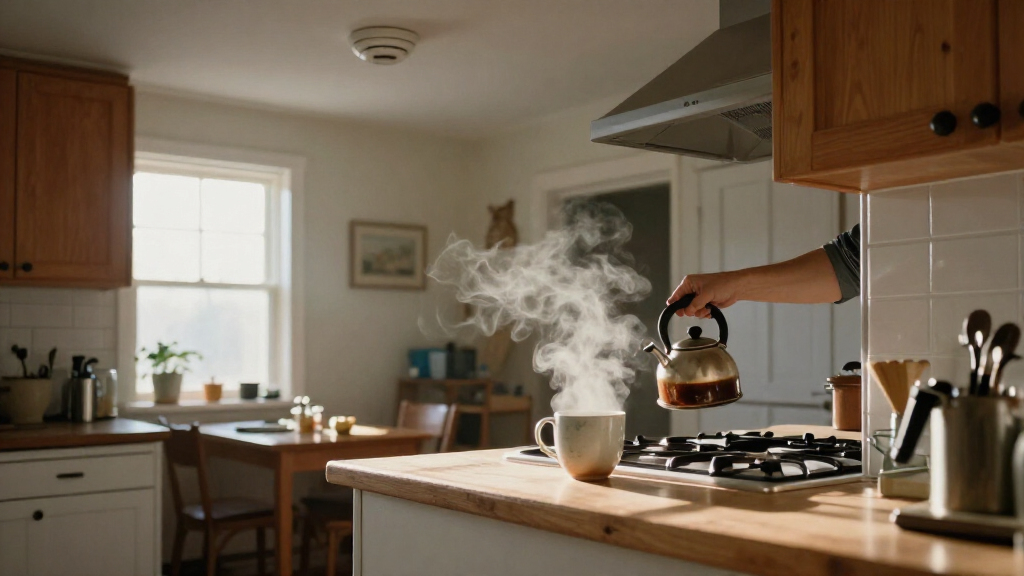
The report’s first two cautions concern everyday moisture and cooking. It quotes Sanders advising that alarms be installed at least 10 feet from cooking appliances, because smoke from routine cooking, such as burned toast, can trigger an alert. For bathrooms with showers or tubs, McKelvey recommends a distance of at least three feet to reduce alarms caused by steam. Sanders also says steam from hairdryers and laundry equipment can trigger alarms.
For garages and unfinished attics, Sanders points to changing temperatures and dust as factors that can make alarms less reliable or cause nuisance alerts. McKelvey’s rule of thumb is to avoid locations that fall below 40°F (4.4°C) or rise above 100°F (38°C). The report distinguishes these spaces from basements, where it says smoke alarms should be installed.
The final cautions are about air movement and physical barriers. McKelvey advises against placing alarms near windows or HVAC air supplies; Sanders also names ceiling fans, vents and air-conditioning registers as locations where drafts could keep smoke from reaching a sensor quickly. Heavy fabric, beams, doors and tall shelves may also block smoke’s path, Sanders says.
Placement Can Affect Detection
Smoke alarms provide an early warning only if they can detect smoke and remain in use. The report says frequent nuisance alerts from cooking or steam may lead people to disable an alarm, leaving the home without that warning when a fire occurs. That is the practical concern behind keeping alarms at recommended distances from kitchens and bathrooms.
Placement also matters when a fire produces smoke. According to the experts quoted in the report, drafts can carry smoke away from an alarm, while nearby barriers can obstruct its access to air. The advice is not a substitute for installation instructions or local fire-safety rules: homeowners should check both when deciding where alarms belong.
Products Worth Considering

De'Longhi Stilosa Compact Manual Espresso Machine with Milk Frother

Vitamix Propel Series 510 Professional-Grade Blender, 3 Programs, Black

Instant Pot Vortex Plus 10-Quart 7-in-1 Air Fryer Oven
As an affiliate, we earn on qualifying purchases.
The Five Placement Concerns
The advice covers five broad areas: cooking zones, humid rooms, temperature extremes, moving air and obstructions. It does not say to leave a home without coverage in any part of the house. In particular, the report says alarms should be installed in basements, while advising against unfinished attics and garages where temperatures and dust may affect performance.
The report also mentions a possible response when cooking-related false alarms happen frequently: Sanders says newer technology may better distinguish fire smoke from cooking steam. That is presented as an option to consider, not a guarantee that a particular alarm will prevent every nuisance alert.
The supplied report attributes its spacing and placement recommendations to Sanders and McKelvey, but does not provide their full names, job titles or the specific alarm models discussed. Its figures are presented as general guidance rather than as a replacement for the requirements applicable to a particular home.
“Smoke alarms should be installed at least 10 feet away from cooking appliances.”
— Sanders, as quoted in the Good Housekeeping report
Limits of the Placement Advice
The supplied material does not include a publication date, links to fire-code guidance, or the experts’ full credentials. It also does not specify whether every recommendation applies to every alarm type or home layout. The report offers general placement advice, so the precise locations required for a given property remain subject to the alarm manufacturer’s instructions and local rules.
It is also unclear which newer alarm technologies Sanders was referring to or how well they perform across different cooking conditions. The report describes them as potentially better at distinguishing cooking steam from fire smoke, not as eliminating nuisance alarms.
Check Your Home’s Alarm Layout
Homeowners can compare existing alarm locations with the distances and hazards described in the report, then consult the device instructions and local fire-safety guidance before moving or replacing equipment. If an alarm frequently sounds during cooking, the report suggests considering newer technology; it does not recommend disabling an alarm as a solution.
The source material announces no follow-up study or regulatory change. The next step for readers is to check whether each alarm has a clear path for smoke and is away from listed sources of steam, drafts and temperature extremes, while maintaining the coverage required for their home.
Key Questions
How far should a smoke alarm be from a stove?
The Good Housekeeping report quotes Sanders recommending at least 10 feet between an alarm and cooking appliances. Check the alarm’s instructions and local rules for the requirements in your home.
Can steam from a shower set off a smoke alarm?
Yes. Sanders says shower steam and steam from appliances can trigger alarms. McKelvey recommends placing alarms at least three feet from bathrooms with showers or tubs.
Should a smoke alarm go in a garage or unfinished attic?
The report advises against unfinished attics and garages because dust and variable temperatures may affect reliability or cause nuisance alerts. It says to avoid locations below 40°F (4.4°C) or above 100°F (38°C), while noting that alarms should be installed in basements.
Why avoid placing an alarm near a fan or vent?
Air movement from fans, windows, vents or HVAC registers may keep smoke from reaching the sensor quickly, according to the experts quoted in the report.
What should I do if cooking often triggers my alarm?
Do not disable the alarm. The report says newer technology may better distinguish cooking steam from fire smoke. Check the manufacturer’s guidance and local requirements before changing the alarm or its location.
Source: goodhousekeeping.com