
TL;DR
The USDA has issued an alert warning consumers about chicken sold in nine states due to potential safety concerns. The alert is based on reports of contamination, but specific details are still developing. This could impact food safety and supply chains in the affected regions.
The United States Department of Agriculture (USDA) has issued a food safety alert concerning chicken sold in nine states, citing potential contamination that could pose health risks to consumers. This alert affects multiple retail outlets and food suppliers in these regions, making it a significant concern for public health officials and consumers alike.
The USDA’s Food Safety and Inspection Service (FSIS) announced the alert after receiving reports of possible contamination in chicken products distributed across nine states, including California, Texas, Florida, and Illinois. The specific nature of the contamination has not been publicly detailed, but the agency has advised consumers to check for affected products and avoid consumption if they are in the impacted regions.
The alert was issued following laboratory testing that indicated the presence of bacteria or other hazards in certain chicken batches. Retailers and distributors have been instructed to recall and remove the products from shelves, though the exact brands and quantities involved are still being identified. No confirmed illnesses or injuries have been reported so far.
The USDA has emphasized that the safety alert is precautionary and that consumers should verify product labels or purchase locations if they are unsure whether their chicken might be affected. The agency is working with state health departments to trace the source of the contamination and to monitor the situation closely.
Implications for Consumer Food Safety and Supply Chains
This alert highlights ongoing concerns about food safety in the poultry industry, especially amid recent supply chain disruptions and increased scrutiny of food production practices. For consumers, it underscores the importance of checking product labels and following recall notices. For the industry, it may lead to increased inspections and stricter safety protocols. Public health officials stress that proper cooking of chicken remains essential, but the alert raises questions about the safety standards at certain points in the supply chain.

TempPro TP19H 1 Sec Digital Meat Thermometer for Cooking
- Fast & Accurate Readings: 1 second, ±0.9°F accuracy
- Food-Grade Stainless Steel Probe: 4.3-inch for versatile cooking
- Large Backlit Display: 2.0-inch, auto-rotating for easy viewing
As an affiliate, we earn on qualifying purchases.
As an affiliate, we earn on qualifying purchases.
Recent Trends in Poultry Safety and USDA Alerts
Over the past year, the USDA has issued multiple alerts related to food safety, including contamination issues in various meat and poultry products. These alerts often follow routine testing and are part of ongoing efforts to ensure public health. The current alert is notable because it involves multiple states and appears to be linked to a broader pattern of safety concerns in poultry processing facilities. Historically, such alerts have prompted recalls and temporary supply shortages, but they also lead to increased regulatory scrutiny.
“Consumers should check their chicken products and follow recall notices. We are working to identify the scope of the contamination and protect public health.”
— USDA Food Safety and Inspection Service
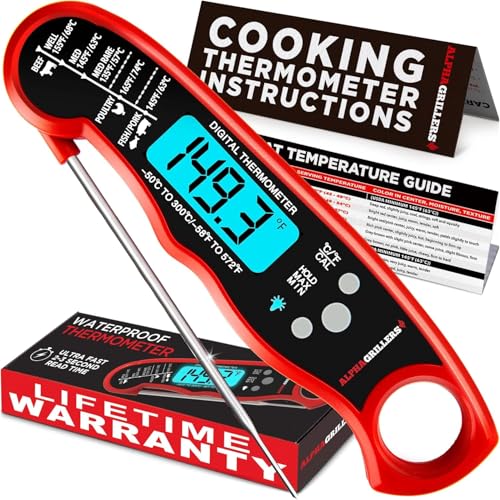
Alpha Grillers Meat Thermometer Digital – Instant Read Food Thermometer for Cooking & Grilling – Professional Kitchen Birthday Gifts for Men, Him, Dad, Husband, Boyfriend
- Instant Read Response: 2-second temperature reading
- Versatile Use: Suitable for grilling, baking, frying
- Easy to Read Display: Bright backlit digital screen
As an affiliate, we earn on qualifying purchases.
As an affiliate, we earn on qualifying purchases.
Details on Contamination and Affected Products Still Unclear
It is not yet clear what specific bacteria or hazards are involved, nor is the full extent of the affected products publicly known. The USDA has not disclosed the brands or suppliers linked to the contamination, and investigations are ongoing. It remains uncertain whether this is an isolated incident or part of a larger pattern of safety issues in poultry processing.

SWIFTLITE Black Nitrile Gloves, Food Safe Disposable Gloves Latex Free, Rubber Gloves Powder Free for Cooking, Kitchen Cleaning (100, Large)
- Material: Latex-free nitrile for sensitive skin
- Food Safety: Food safe, non-toxic, textured fingertips
- Durability: 2.5 mil thickness for strength and dexterity
As an affiliate, we earn on qualifying purchases.
As an affiliate, we earn on qualifying purchases.
USDA and Industry to Conduct Further Testing and Recalls
The USDA is expected to release more detailed information as investigations progress, including a list of affected products and brands. Retailers and consumers are advised to stay alert for recall notices and to verify product safety. Authorities will continue monitoring the situation, and additional recalls or safety advisories may follow based on new findings.

AFIL Food Sensitivity Test kit – 1000+ Foods, Drinks, Vitamins & Gut Health | At-Home Wellness Food Intolerance Test Kits for Adults & Kids – Non-Invasive Wellness Indicator | 1000+ Items Premium
- At-Home Testing Kit: Non-invasive hair sample analysis for 1000+ items
- Popular Wellness Tool: Helps identify food and gut wellness signals
- Easy 3-Step Process: Register, collect hair, mail sample
As an affiliate, we earn on qualifying purchases.
As an affiliate, we earn on qualifying purchases.
Key Questions
What should I do if I have chicken from the affected regions?
Check the packaging for recall notices or product codes. If your chicken is identified as affected, discard it or return it to the point of purchase. Follow USDA and local health department guidance for safe handling and cooking.
Are there health risks from consuming contaminated chicken?
Potential risks depend on the specific hazard involved. Bacterial contamination, such as Salmonella or Campylobacter, can cause foodborne illness. Proper cooking to an internal temperature of 165°F (74°C) kills most bacteria, but consumers should avoid eating affected products.
How widespread is this issue?
The USDA has identified nine states as impacted, but the full scope of affected products and distribution channels is still being investigated. Further details are expected as the agency completes its testing and tracing efforts.
Will there be a nationwide recall?
Currently, the alert is limited to nine states. If contamination is confirmed in additional regions or products, nationwide recalls could be issued. The USDA will provide updates as more information becomes available.
Source: google-trends