TL;DR

Get coffee and tea gear delivered free with Prime
- Fast, free delivery on millions of items
- Prime Video, Amazon Music and more included
- Member-only deals all year
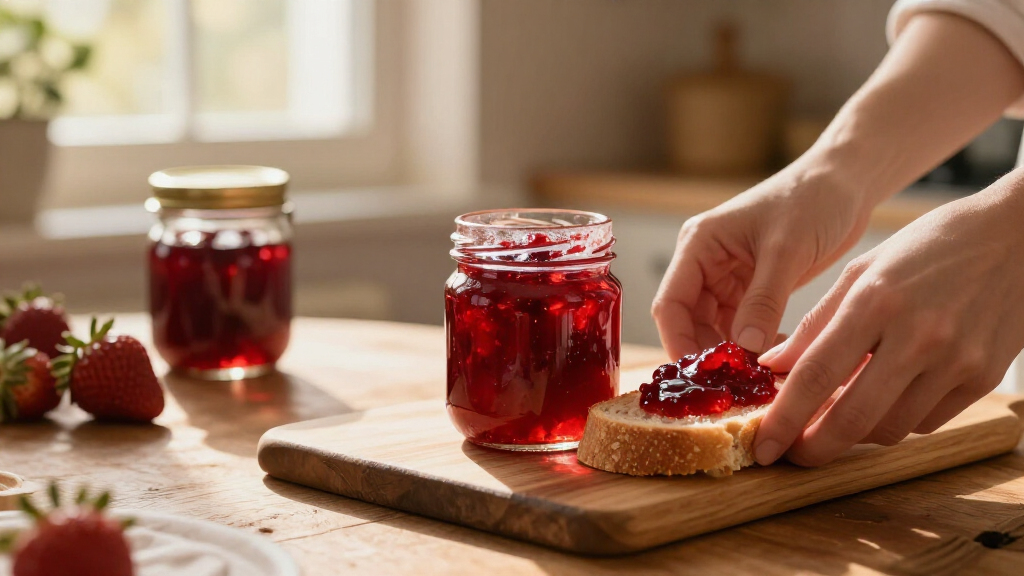
Interest in making marmellate and confetture at home is rising, with searches for easy recipes increasing. A new collection offers 30 straightforward recipes for DIY fruit preserves, appealing to home cooks.
Interest in making marmellate and confetture at home has recently increased, with online searches and coverage rising sharply. A new collection features 30 simple recipes designed for easy, homemade fruit spreads, appealing to food enthusiasts and those seeking natural, preservative-free options.
The trend appears to be driven by a growing consumer preference for homemade, healthy foods and a desire for personalized flavors. The collection includes recipes for classic fruit jams such as strawberry, apricot, and peach, as well as more inventive options like fig and berry mixes. These recipes emphasize straightforward steps, minimal ingredients, and common kitchen tools, making them accessible even for beginners.
Sources indicate that the collection is being promoted across food blogs and social media platforms, with many users sharing their results and asking for tips. While the compilation itself is not officially linked to a specific brand or organization, it reflects a broader interest in DIY food projects, especially during periods of increased home cooking.
It is important to note that this trend is based on observed spikes in online search data and media coverage, which are currently unconfirmed as a coordinated campaign or official initiative. The recipes are said to focus on natural fruit, sugar, and pectin, with safety guidelines for proper storage and sterilization to prevent spoilage.
Why Home-Made Marmellate and Confetture Matter Now
This rising interest in homemade marmellate and confetture underscores a broader shift toward DIY food preparation and healthier eating habits. Making fruit preserves at home allows consumers to control ingredients, avoid preservatives, and customize flavors, aligning with current trends toward natural and sustainable foods. Additionally, the activity offers a cost-effective way to enjoy seasonal fruits year-round and can foster a sense of culinary achievement.
From a market perspective, the increase in search interest may influence local producers and small-scale food artisans, as more consumers explore homemade options. It also reflects a cultural shift where traditional food preservation methods are gaining renewed popularity, especially among younger generations and hobbyist cooks.
As an affiliate, we earn on qualifying purchases.
Background on the Homemade Jam Trend
The popularity of homemade marmellate and confetture has historically fluctuated but has seen a resurgence in recent years. This renewed interest is partly driven by increased awareness of food origins, health concerns related to additives, and the appeal of self-sufficiency. During the COVID-19 pandemic, many people turned to home cooking and food preservation, which has persisted as a lifestyle choice for many.
Recent media coverage and online tutorials have contributed to the trend, offering accessible recipes and techniques. While the specific collection of 30 recipes is a new development, the broader movement toward DIY food projects remains strong, with social media platforms serving as key channels for sharing results and tips.
It is worth noting that the spike in interest is based on search data and media coverage signals, which are still being monitored for confirmation of sustained popularity. No official endorsements or large-scale campaigns have been identified at this stage.
As an affiliate, we earn on qualifying purchases.
Unconfirmed Aspects of the Homemade Jam Surge
It remains uncertain whether this increase in interest will lead to sustained activity or if it is a temporary phenomenon influenced by seasonal factors or media coverage. The collection of 30 recipes circulates informally online, without official endorsement or commercial backing. Its long-term impact on local producers or small food businesses has yet to be determined.
Additional data is needed to assess whether this trend will result in increased sales of ingredients like fruit, sugar, and pectin, or influence broader food consumption behaviors.
As an affiliate, we earn on qualifying purchases.
Expected Developments in DIY Preserves Popularity
In the coming months, more culinary websites and food bloggers are likely to publish similar collections, which could reinforce this as a lasting trend. Monitoring online search trends and social media engagement will help gauge whether interest remains high or diminishes. Emphasizing food safety and proper preservation techniques may also be promoted to ensure consumer safety.
Local markets and artisanal producers might respond by offering specialized ingredients and tools for home canning, supporting the DIY movement further.
As an affiliate, we earn on qualifying purchases.
Key Questions
Are these recipes suitable for beginners?
Yes, the collection focuses on simple steps and common ingredients, making it accessible for those new to jam-making.
What ingredients are typically needed for these recipes?
Most recipes require fresh fruit, sugar, pectin, and lemon juice, with variations depending on the fruit used.
How should I store homemade marmellate and confetture?
Proper sterilization of jars and sealing is essential; store in a cool, dark place and consume within a year for best quality.
Is it safe to make jam at home without professional equipment?
Yes, with proper sterilization, cooking, and storage procedures, homemade jams can be safely preserved.
Will this trend affect commercial jam sales?
It is too early to tell, but increased home preservation may lead to a temporary decrease in store-bought jam purchases among enthusiasts.
Source: rss
Fall Picks
fall essentials
As an affiliate, we earn on qualifying purchases.