
TL;DR

Get coffee and tea gear delivered free — and shop member deals
- Fast, free delivery on millions of items
- Access to Prime Big Deal Days deals on October 6–7
- Prime Video, Amazon Music and more included
VinePair, using menu data surveyed by Ground Signal, reports an average Espresso Martini price of $14.38 across the U.S. Hawaii has the highest listed average at $16.92, while Oklahoma has the lowest at $12.06. The report does not specify the survey period, number of menus sampled or how prices were weighted.
VinePair has published a state-by-state comparison of Espresso Martini menu prices, reporting a U.S. average of $14.38 based on menus surveyed by data company Ground Signal. Hawaii had the highest reported average, at $16.92, while Oklahoma had the lowest, at $12.06, a spread of $4.86 between the two figures.
The figures describe the average listed price of the cocktail in each location, according to VinePair’s account of the Ground Signal survey. New York ranked second at $16.03, followed by Nevada at $15.94, California at $15.57 and Washington, D.C., at $15.38. Hawaii and New York were the only listed locations with averages above $16.
At the lower end, South Dakota averaged $12.40 and Iowa $12.43. Nebraska and Mississippi were each listed at $12.50. The report says just 15 states were above the $14.38 national average. The table also includes Washington, D.C., separately from the states; its $15.38 figure should not be read as a state average.
Ground Signal also reported which vodka brands appeared most often in Espresso Martini menus by state. Tito’s was the leading brand in 29 states, Ketel One in 17, Stoli in five and Absolut in one. VinePair says vodka was the spirit used in 90 percent of the country’s Espresso Martinis represented in the analysis. These figures describe menu appearances and reported recipes, not consumer purchases or market share.
Where the Cocktail Costs More
The comparison gives people ordering the drink a rough reference point for how listed prices vary by location. The gap between the highest and lowest reported averages is $4.86 per cocktail, while the national average offers a broad benchmark for the locations in the survey. Actual prices at individual bars can differ from these averages, so the map is best used as a general comparison rather than a price quote.
For bar and beverage businesses, the findings may offer a snapshot of menu pricing and the vodka brands appearing most often in the surveyed drinks. Ground Signal describes its work as providing data to beverage-alcohol brands to support on-premise sales. The report does not establish why one brand or price is more common, or whether the listed prices reflect differences in ingredients, venue type, local costs, or customer demand.
VinePair points to Hawaii’s higher costs for shipped goods as relevant context for its ranking. That explanation is plausible context supplied by the report, but the published figures do not isolate shipping costs or show that they caused the difference. The price map records variation; it does not measure the causes of that variation.
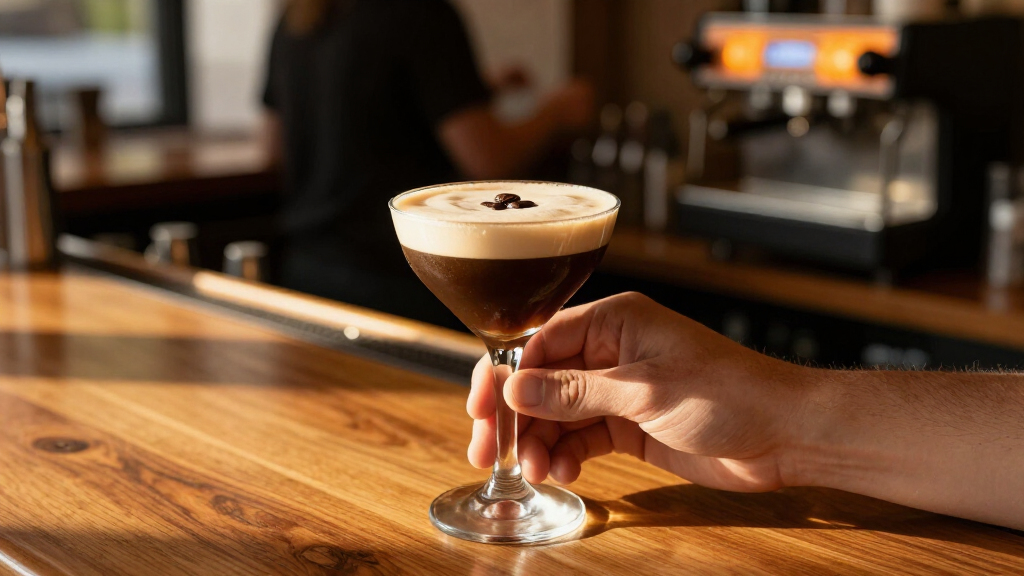
The Espresso Martini is commonly made with vodka, coffee liqueur, espresso and simple syrup. VinePair describes it as a popular modern cocktail and commissioned the comparison from Ground Signal, which surveyed menus to compare on-premise prices. In this setting, “on-premise” refers to drinks listed for sale at bars and other venues where customers consume them.
The comparison covers averages for all 50 states and also provides a separate figure for Washington, D.C. It reports prices to the cent, but the source material provided does not identify the survey dates, the number or types of menus reviewed, or the calculation method. It also does not say whether the averages were weighted by the number of venues, drinks sold or another measure.
Those details matter when comparing the table with a particular bar’s menu or with another price study. A statewide average can combine different kinds of venues and cities, and the published summary does not show the range of prices within each location. The figures are therefore a snapshot of the menus Ground Signal surveyed, as presented by VinePair, rather than a complete count of every Espresso Martini sold or offered.
What the Price Data Leaves Open
The published summary does not state when the menus were surveyed, how many were included, or how Ground Signal calculated each average. It also does not explain whether the sample covered a consistent mix of bars, restaurants, hotels and other venues in every state. Without those details, readers cannot judge how closely the figures represent all menus in a location or compare the results precisely with another year’s data.
The report does not give a price range, median, or city-level breakdown. It also does not specify whether listed prices include tax, service charges or any other fees. The averages cannot show what a particular customer will pay, how much the cocktail costs to make, or why prices differ. VinePair’s reference to Hawaii’s costs for shipped goods is context, not a measured explanation for the state’s ranking.
The vodka figures have limits as well: the summary does not define exactly how a brand was counted as the leading choice, or provide menu counts by state. Its statement that vodka features in 90 percent of the drinks describes the surveyed menus as reported, rather than all Espresso Martinis served nationally.
For consumers, the next practical step is to check the current menu at the venue they plan to visit. The state averages can help frame a comparison, but local listings provide the relevant price and may change after the survey. For industry readers, the table offers a point of comparison for menu positioning, while its value for year-to-year analysis will depend on access to comparable survey methods and dates.
VinePair presents the report as a current price map, but the supplied source does not announce a follow-up survey or a date for updated figures. Until more methodology or newer data is published, the $14.38 national average and state rankings should be treated as the results of this menu survey, with the timing and scope left unspecified.
Key Questions
What is the reported U.S. average price for an Espresso Martini?
VinePair reports a national average of $14.38, based on menus surveyed by Ground Signal. The summary does not give the survey dates or sample size.
Which location had the highest average price?
Hawaii had the highest listed average, at $16.92. New York followed at $16.03. Washington, D.C., was also listed at $15.38, separately from the states.
Where was the lowest average price?
Oklahoma had the lowest listed average at $12.06. South Dakota was next at $12.40, followed by Iowa at $12.43.
Which vodka brands were most common in the survey?
VinePair reports that Tito’s was the leading vodka brand in 29 states, Ketel One in 17, Stoli in five and Absolut in one. These are reported menu findings, not sales or market-share figures.
Does the map show what every bar charges?
No. It reports averages from menus surveyed by Ground Signal. The published summary does not give venue-level prices, the sample size or a breakdown of prices within each state, so a bar’s current menu may differ.
Source: rss
Fall Picks
fall essentials
As an affiliate, we earn on qualifying purchases.