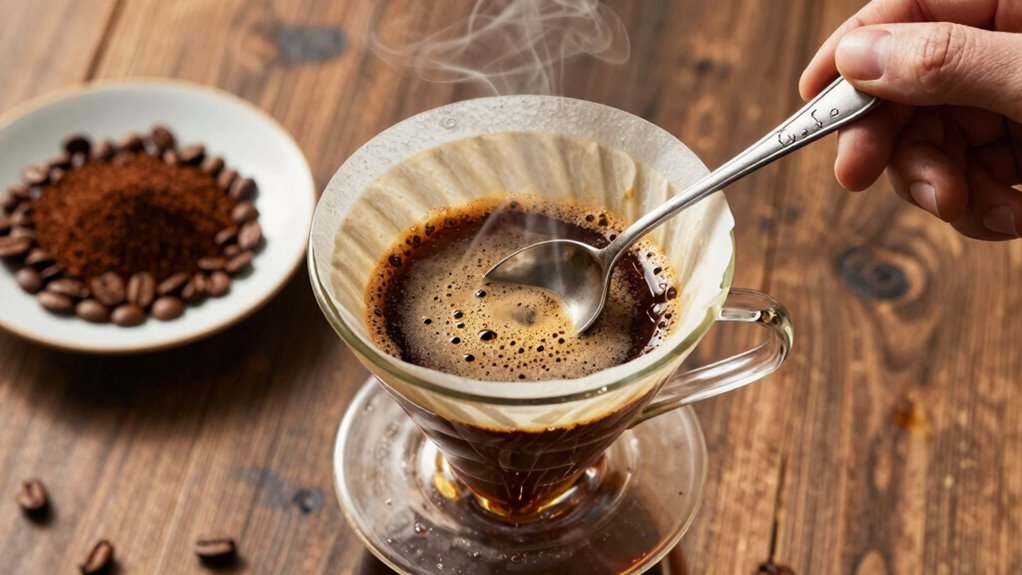

Specialty coffee is about enjoying the highest quality beans, carefully sourced from specific farms with transparent traceability and strict ethical standards. It focuses on unique flavors, vibrant aromas, and precise roasting and brewing methods to bring out the best in each cup. This type of coffee supports fair wages and sustainable practices while emphasizing craftsmanship. If you keep exploring, you’ll discover how these elements come together to create an exceptional coffee experience.
Key Takeaways
- Specialty coffee is made from carefully selected, high-quality beans that are harvested at peak ripeness for unique flavor profiles.
- It is characterized by vibrant flavors, balanced acidity, and freshness, with indicators like aroma, uniform size, and absence of defects.
- Authentic specialty coffee includes transparent origin, traceability, and certifications such as Organic or Fair Trade.
- Ethical sourcing supports fair wages, sustainable farming, and community development, ensuring responsible supply chains.
- Proper roasting and brewing techniques enhance the beans’ natural qualities, emphasizing flavor complexity and overall quality.

Split Oak Coffee Roasters Gourmet Gift Box – Whole Bean Variety Pack Gift Box, 9 Medium Roast Coffees from Around the World – Global Tasting Collection, 2oz Bags, Roasted in the USA
Ready-to-Give Coffee Gift Set: This gourmet coffee gift set features 9 whole bean coffees in a beautifully packaged…
As an affiliate, we earn on qualifying purchases.
As an affiliate, we earn on qualifying purchases.
What Is Specialty Coffee and Why Does It Matter?

Have you ever wondered what sets specialty coffee apart from your regular brew? It all comes down to the coffee flavor and bean freshness. Specialty coffee is made from carefully selected beans that are harvested at peak ripeness, ensuring maximum quality. These beans are then roasted to highlight their unique flavor profiles, resulting in a richer, more complex taste. Unlike mass-produced coffee, specialty beans are often fresher, which preserves their vibrant aroma and nuanced flavors. The focus on bean freshness means you get a more vibrant, enjoyable cup every time. It’s not just about caffeine—it’s about experiencing coffee with depth and character. By choosing specialty coffee, you’re embracing a product that values quality, craftsmanship, and the true essence of the beans. Additionally, understanding the importance of freshness preservation can help consumers make informed choices about their coffee. Supporting sustainable practices in coffee sourcing also helps protect biodiversity and promotes environmentally friendly farming methods. Recognizing the significance of proper roasting techniques can further enhance your appreciation of specialty coffee’s unique qualities.

Hamilton Beach Fresh Grind Electric Coffee Grinder For Up To 12 Cups
REDUCE CLUTTER WITH HIDDEN CORD STORAGE: Hideaway cord storage under the base keeps cable neat, concealed when not…
As an affiliate, we earn on qualifying purchases.
As an affiliate, we earn on qualifying purchases.
How Is Specialty Coffee Sourced Ethically?
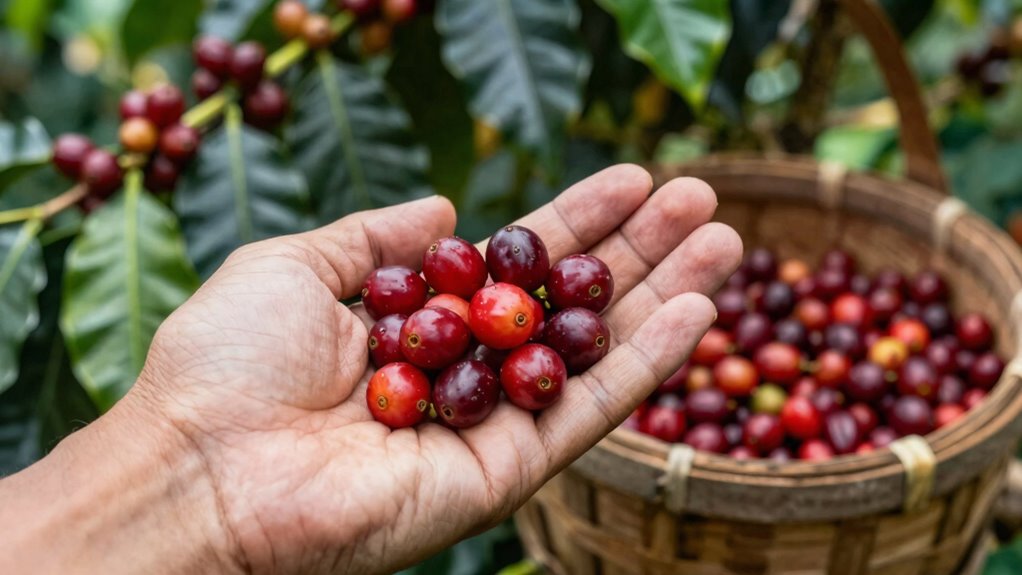
When you choose specialty coffee, you’re supporting fair trade practices that guarantee farmers receive fair wages and work under safe conditions. You also help sustain local communities by prioritizing sourcing methods that promote economic stability and social well-being. By making informed choices, you contribute to a more ethical and equitable coffee industry. Additionally, adopting ethical sourcing practices ensures that the environmental impact is minimized, promoting sustainability for future generations. Supporting transparent supply chains further encourages accountability and trust within the coffee industry. Responsible sourcing also includes environmental impact, which helps preserve ecosystems and biodiversity in coffee-producing regions. Emphasizing ethical sourcing principles encourages a shift toward more responsible and sustainable practices across the entire industry.
Fair Trade Practices
How do specialty coffee producers guarantee their beans are sourced ethically? They often follow fair trade practices that prioritize ethical sourcing in coffee farming. These practices ensure farmers receive fair compensation, promote sustainable farming methods, and support community development. When you choose coffee with fair trade certification, you’re helping to create a more equitable supply chain. Key elements include:
- Fair wages for coffee farmers, ensuring ethical sourcing
- Support for environmentally friendly farming techniques
- Investment in local communities’ education and healthcare
- Implementation of ethical sourcing standards to ensure transparency and fairness throughout the supply chain. Additionally, many producers adhere to certified standards that verify their commitment to ethical practices. Understanding fair trade certification can help consumers make informed decisions about the coffee they purchase. Furthermore, these practices often include transparent supply chains, allowing consumers to trace the journey of their coffee from farm to cup. By supporting these standards, consumers contribute to the ethical principles that underpin responsible coffee production.
Supporting Local Communities
Supporting local communities is an essential aspect of ethically sourcing specialty coffee. When you buy from a coffee farm that prioritizes community wellbeing, you’re helping guarantee farmers receive fair wages and invest in their neighborhood. Many specialty coffee producers work directly with local artisans, fostering economic growth and preserving cultural traditions. By choosing coffee that supports these relationships, you’re promoting sustainable development and empowering farmers to improve their quality of life. This approach often involves transparent sourcing practices, where you can trace the coffee back to its origin and see the positive impact on the community. Supporting local communities means investing in people, not just beans, and encouraging practices that benefit everyone involved in the coffee’s journey. Additionally, establishing strong relationships with local farmers ensures the integrity of the supply chain, benefitting both producers and consumers alike. Ethical sourcing also involves adhering to fair trade principles, which ensure equitable pay and working conditions. Ensuring ethical sourcing not only benefits the community but also enhances the overall quality and sustainability of the coffee you enjoy. Building trust through transparent practices can further strengthen these community relationships and promote long-term sustainability. Moreover, understanding the full lifecycle of your coffee can deepen your appreciation for its journey from farm to cup.

Bodum 34oz Pour Over Coffee Maker, High-Heat Borosilicate Glass with Reusable Stainless Steel Filter and Cork Grip – Made in Portugal
Pour Over Coffee: Manual Pour Over Coffee Maker allows you to brew an excellent cup of Coffee in…
As an affiliate, we earn on qualifying purchases.
As an affiliate, we earn on qualifying purchases.
How Roasting Unlocks Unique Flavors
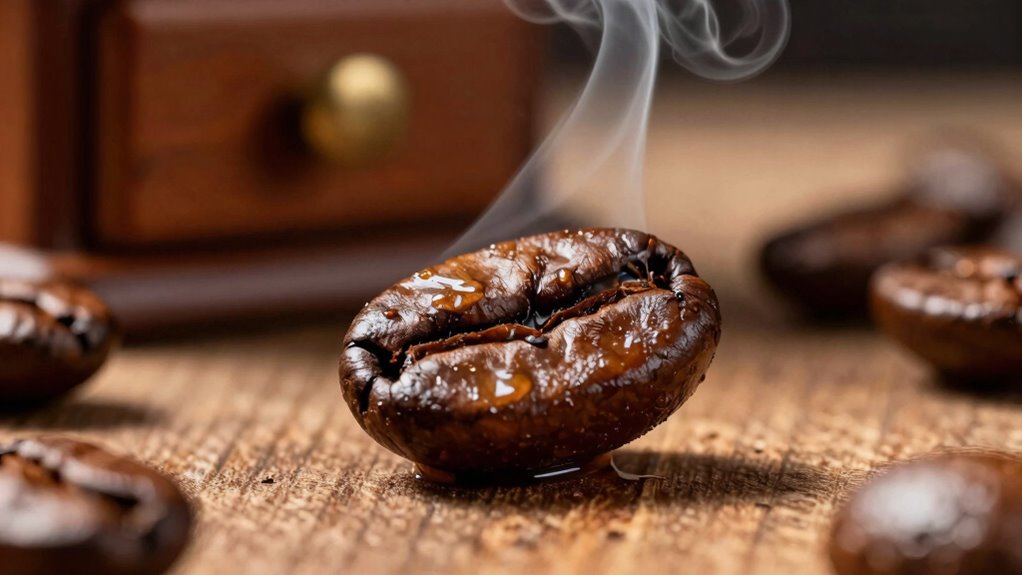
Roasting is the essential process that transforms green coffee beans into the aromatic, flavorful beans you brew. It’s where the magic of revealing unique flavor profiles happens. Different roasting techniques—light, medium, or dark—highlight distinct aspects of the beans, revealing nuanced tastes like fruitiness, nuttiness, or chocolate. As you roast, the beans develop complex layers of aroma and flavor, influenced by temperature and duration. By adjusting these variables, you can emphasize certain qualities and craft a signature profile that reflects the beans’ origin. The roasting process also affects the overall aroma and mouthfeel, making it a critical step in creating a memorable coffee experience. You can enjoy: – The vibrant brightness from light roasts – The balanced richness of medium roasts – The bold, smoky notes in dark roasts. Additionally, mastering different roasting techniques allows for greater flavor development, enhancing the unique characteristics of each coffee bean. Understanding the chemical changes during roasting can help you better control the final flavor output and tailor profiles to specific preferences. Recognizing how temperature and time influence these chemical transformations is key to refining your roasting skills.

Coffee Roasting Kit by OurHands – Learn to Roast Green Coffee at Home with Your Oven – Includes 6 Varieties of Unroasted Coffee, Detailed Instructions and Coffee Roasting Tools
DIY COFFEE ROASTING KIT: Roast green coffee beans at home with our Coffee Roasting Kit. Ideal for coffee…
As an affiliate, we earn on qualifying purchases.
As an affiliate, we earn on qualifying purchases.
How to Recognize Authentic Specialty Coffee?

To spot authentic specialty coffee, you should check its origin and traceability to guarantee transparency. Look for quality indicators in the beans, like size, aroma, and uniformity, which reflect careful selection. Certifications and labels from recognized standards can also confirm you’re getting genuine specialty coffee. Staying informed about industry standards and market trends can further help you identify true specialty coffee market insights.
Origin and Traceability
How can you tell if your coffee truly qualifies as specialty? Look for transparent information about its origin and traceability. Authentic specialty coffee comes from carefully managed coffee farming, where quality is prioritized at every step. Reliable traceability systems ensure you can follow the coffee’s journey from farm to cup, confirming its authenticity. To verify this:
- Check for detailed origin info, including farm and region.
- Look for certifications or traceability labels.
- Ask about the coffee’s journey through traceability systems used by producers.
These indicators show the coffee’s story is traceable and verified, giving you confidence in its quality. Proper origin and traceability confirm that your coffee is genuine specialty, ethically sourced, and crafted with care.
Bean Quality Indicators
Authentic specialty coffee isn’t just about where it comes from; it’s also about the quality of the beans themselves. To recognize true specialty coffee, look for vibrant flavor profiles that develop from well-maintained beans. Freshness is key—you want beans with a bright aroma and lively acidity, indicating recent harvest and proper storage. Visual cues include uniform size, a clean surface, and no defects. Scent and taste should reveal complexity, with distinct notes that evolve on the palate.
| Indicator | What to Look For |
|---|---|
| Flavor profiles | Complex, vibrant, with balanced acidity and aroma |
| Bean freshness | Bright aroma, lively acidity, no stale or musty smell |
These indicators help guarantee you’re choosing beans that meet the high standards of specialty coffee.
Certification Labels and Standards
Certification labels and standards serve as essential markers for verifying that your coffee truly qualifies as specialty. They help you distinguish authentic specialty coffee from lower-quality options. Look for certification labels like Organic certifications, which guarantee your coffee is grown without synthetic chemicals and pesticides. These labels provide confidence in the farming practices and environmental impact. Other key standards include Fair Trade or Rainforest Alliance labels, which promote ethical labor and sustainability. When shopping, check for clear certification labels on packaging, as they confirm the coffee’s compliance with strict quality and ethical criteria. Recognizing these labels helps you make informed choices, supporting farmers and producers committed to high standards. Ultimately, certification labels serve as your guide to authentic, quality specialty coffee.
What Sets Specialty Coffee Apart From Commercial Brews?
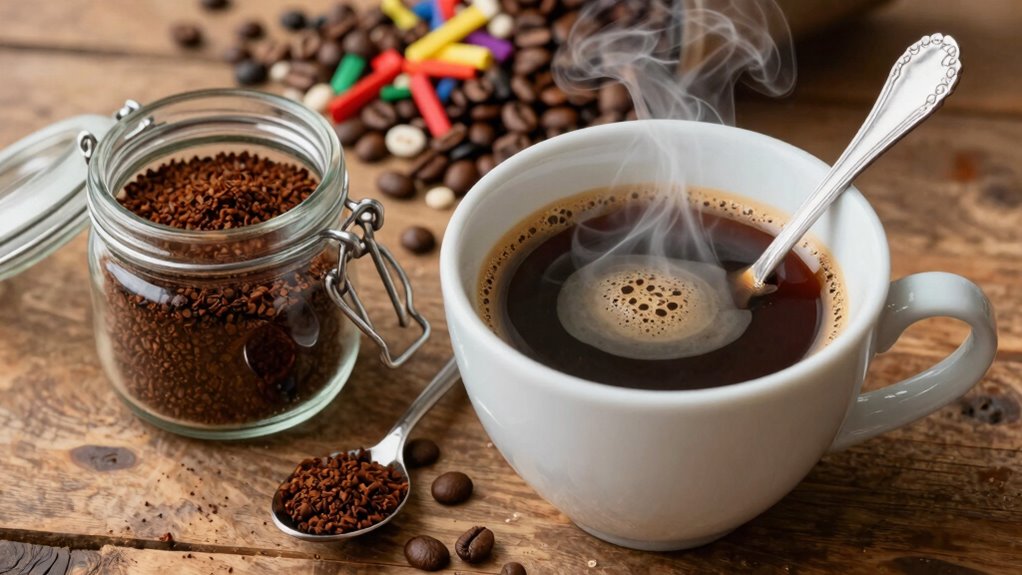
What sets specialty coffee apart from commercial brews is the meticulous attention to quality at every stage, from farm to cup. This focus guarantees richer flavor profiles and a more nuanced tasting experience. Unlike commercial coffee, which often prioritizes mass production, specialty coffee emphasizes careful harvesting, processing, and roasting. Your brewing techniques also make a difference; precision matters when extracting complex flavors. Specialty beans are selected for their unique characteristics, allowing you to explore a wide range of taste experiences. When you brew specialty coffee, you’re intentionally highlighting its distinctive qualities, resulting in a more vibrant, satisfying cup. The dedication to quality and technique is what truly elevates specialty coffee beyond the standard commercial offerings.
How to Spot Quality Standards in Coffee?
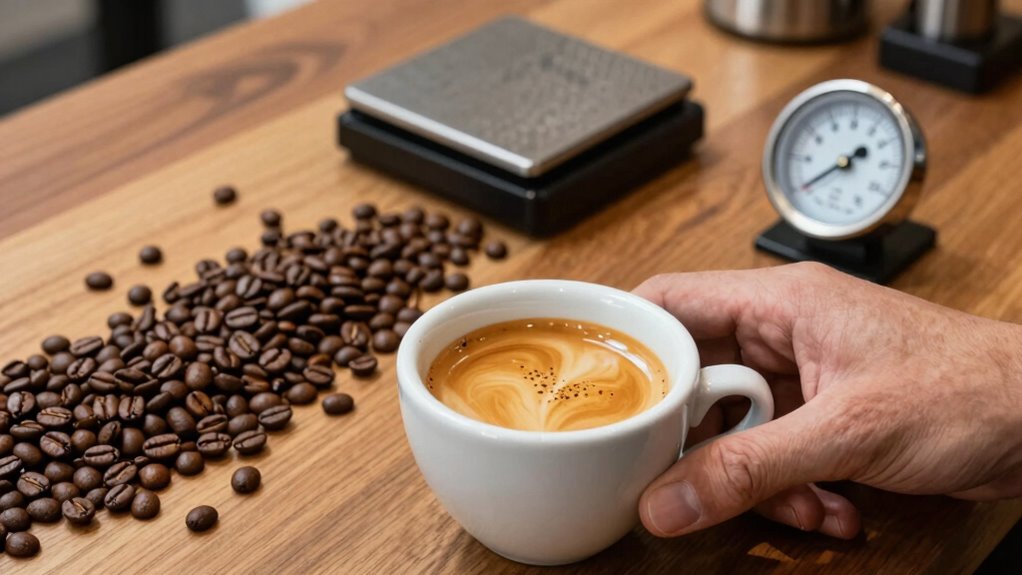
How can you quickly assess the quality of coffee before brewing? Start by examining the beans or grounds. High-quality coffee will have a vibrant aroma and consistent size, indicating careful processing. Look for a clean, fresh scent that hints at complex coffee flavor notes. When tasting brewed coffee, pay attention to balance, brightness, and aftertaste—these reflect good quality. To better enjoy and identify quality standards, keep these tips in mind:
- Use precise brewing techniques to highlight the coffee’s flavor complexity.
- Smell the beans or grounds for freshness and aroma intensity.
- Observe the consistency in grind size and color for uniform extraction.
Why Sustainability Matters in Specialty Coffee?
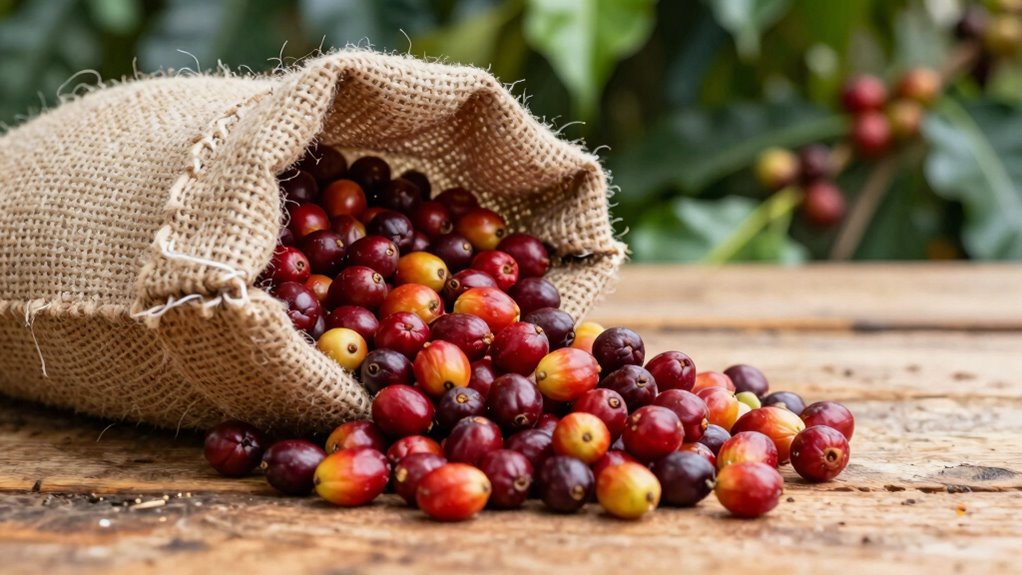
Sustainable practices are essential in specialty coffee because they guarantee the long-term health of coffee ecosystems, communities, and economies. By focusing on sustainability, you help reduce environmental impact, such as deforestation, water pollution, and soil degradation. These issues threaten the very resources that grow your favorite coffee beans. As a consumer, your awareness plays a pivotal role—choosing ethically sourced coffee encourages farmers to adopt eco-friendly methods. Sustainability also supports fair wages and better working conditions, strengthening coffee communities. When you prioritize sustainable options, you’re advocating for a balanced approach that benefits both the planet and the people behind each cup. Ultimately, your choices can drive positive change, ensuring that specialty coffee remains a vibrant, responsible industry for generations to come.
The Story Behind Every Cup of Specialty Coffee
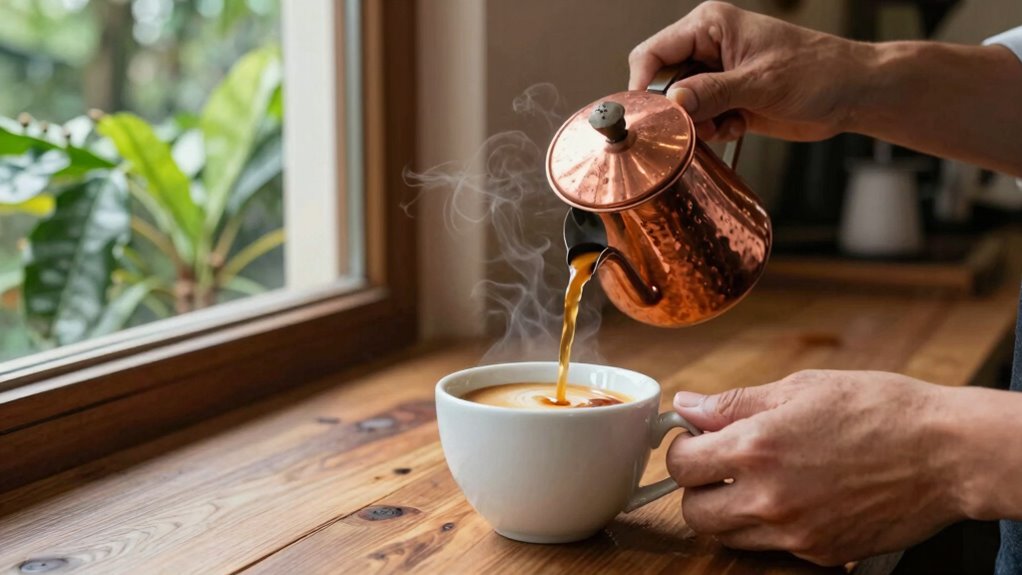
Every cup of specialty coffee tells a story that begins long before it reaches your hands. It starts with coffee farming, where farmers nurture plants with care, choosing the right varieties, and employing sustainable practices. The journey continues through meticulous processing, ensuring each bean retains its unique flavor. When brewing, your techniques—whether pour-over, French press, or espresso—unlock the coffee’s full potential. These steps are essential in shaping the final experience. To truly enjoy the story behind your coffee:
Every cup of specialty coffee is a crafted story, from careful farming to your perfect brewing method.
- Appreciate the effort behind quality coffee farming methods
- Experiment with different brewing techniques to find your favorite flavor
- Recognize how each step influences the aroma, taste, and overall experience
Every detail matters, making your coffee moment meaningful.
Frequently Asked Questions
How Does Climate Change Affect Specialty Coffee Production?
Climate change impacts your specialty coffee by threatening the delicate climate resilience needed for ideal growth. Rising temperatures and unpredictable weather force farmers to adopt new farming adaptation techniques, like adjusting planting times or selecting resilient coffee varieties. These changes aim to maintain quality and yield, but if not managed well, they could reduce the unique flavors and the overall quality that makes specialty coffee so special.
What Are Common Misconceptions About Specialty Coffee?
You might think all coffee is the same, but specialty coffee isn’t just about fancy branding. It’s about exceptional bean quality and unique coffee flavor profiles that stand out. Many believe it’s overly expensive or elitist, but in reality, it’s about appreciating the craft and care behind each cup. Don’t let misconceptions fool you—specialty coffee offers a richer, more authentic experience worth discovering.
Can Anyone Brew High-Quality Specialty Coffee at Home?
Yes, you can brew high-quality specialty coffee at home if you’re committed to home brewing and coffee mastery. Focus on using fresh, quality beans, precise grind sizes, and accurate water temperatures. Invest in good equipment like a pour-over or espresso machine, and follow expert brewing techniques. With patience and practice, you’ll develop the skills needed to elevate your coffee game and enjoy café-quality brews right in your own kitchen.
How Do Certifications Impact the Value of Specialty Coffee?
Certifications greatly boost the value of specialty coffee because they guarantee adherence to certification standards and quality assurance. When you see a certified label, it signals that the coffee meets strict industry criteria for origin, processing, and sustainability. This verification not only guarantees higher quality but also supports ethical practices. As a consumer, you gain confidence in your purchase, knowing you’re getting a product that upholds transparency and excellence.
What Role Do Baristas Play in the Specialty Coffee Experience?
You’re the face of the specialty coffee experience, and your role is essential. Through barista training, you master techniques that elevate each cup, making every sip memorable. Your customer interaction adds a personal touch, turning a simple coffee break into a moment of delight. You’re the bridge between the beans’ story and the customer’s experience, proving that a skilled barista truly holds the key to revealing the magic of specialty coffee.
Conclusion
Now that you know the true taste and tale behind specialty coffee, you’re better equipped to brew boldly and buy consciously. By spotting special standards, savoring sustainable stories, and supporting ethical sourcing, you’re shaping a better bean journey. Embrace the essence of excellence with every cup, and let your coffee choices champion quality, conscience, and craftsmanship. Savor every sip, and stay savvy in your specialty coffee adventure!