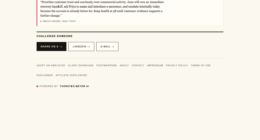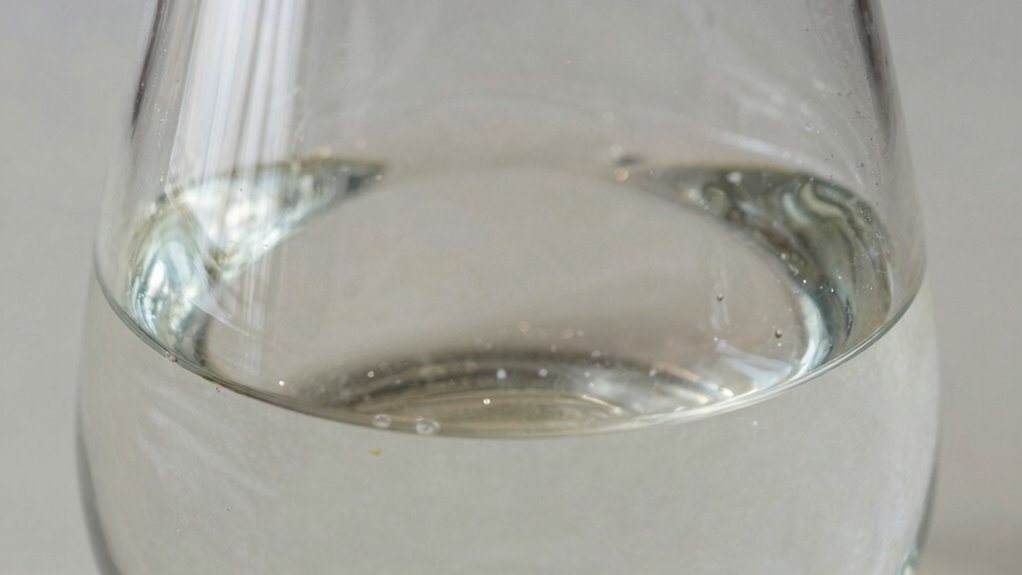

Cleaning your carafe is essential because residues and mineral deposits inside it impact the flavor of your beverages more than their looks. Oils from previous brews cling to surfaces, going rancid and masking fresh flavors, while mineral buildup can trap flavors and cause off-tastes. Microbial growth also thrives in dirty environments, further spoiling your drinks. If you want to preserve the true taste and aroma, understanding proper cleaning practices can make a significant difference. Keep going to learn how to maintain that perfect flavor.
Key Takeaways
- Residual oils and stains cling inside, altering the flavor even if the carafe looks clean.
- Mineral deposits and microbial growth develop beneath surfaces, impacting taste more than appearance.
- Old residues release stale flavors that contaminate fresh beverages, regardless of exterior cleanliness.
- Proper cleaning removes oils and deposits that interfere with the beverage’s natural aroma and flavor.
- Internal contamination from residues and microbes can cause off-flavors, which are hidden visually but affect taste.
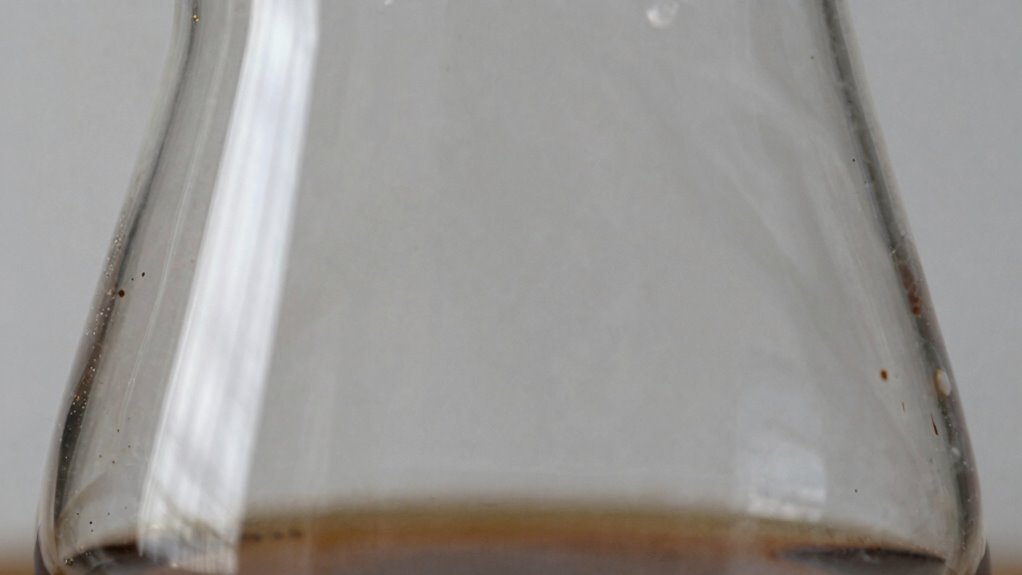
Have you ever noticed a lingering taste or strange aroma in your coffee or wine after cleaning your carafe? If so, it’s more common than you might think. The reason often comes down to what’s happening inside the carafe, not just how it looks. The cleanliness isn’t only about appearances; it directly impacts the flavor you experience. When you clean your carafe, you’re not just removing surface stains—you’re also affecting the subtle flavors that develop during brewing or storage. That’s why a spotless-looking carafe can still harbor residues that alter the taste.
One key factor influencing flavor is coffee bean freshness. When you brew with fresh beans, the aroma and flavor are vibrant and complex. But if your carafe isn’t thoroughly cleaned, residual oils and particles from previous brews can cling to its surfaces. These leftover oils can quickly go rancid or develop a stale taste, which then taints your freshly brewed coffee or wine. Even a tiny film of residue can interfere with the delicate flavors you’re aiming for, masking the brightness of the beans or wine. That’s why regular cleaning is essential—so your coffee’s natural aroma and flavor aren’t compromised by old oils or residues from past brews.
Fresh beans deliver vibrant flavors, but residue buildup can spoil your brew—clean your carafe regularly for the best taste.
Another critical aspect is the water mineral content you use. Hard water, with its high mineral levels, leaves deposits and scale inside your carafe over time. These mineral deposits aren’t just unsightly; they form a thin film that traps flavors and odors. When you pour your next coffee or wine, these minerals can interact with the beverage, subtly altering its taste. Over time, the buildup becomes a breeding ground for bacteria and mold, which can produce strange aromas and flavors. Proper cleaning removes these deposits, ensuring that minerals don’t interfere with your drink’s intended flavor profile. Additionally, understanding the importance of cleaning techniques helps prevent the growth of bacteria that can produce off-flavors, further safeguarding your beverages. Regular maintenance and knowledge of proper cleaning practices can significantly extend the life of your carafe and preserve the integrity of your beverages. Incorporating appropriate cleaning solutions is also crucial for removing stubborn residues and ensuring a thorough cleanse.
Cleaning also impacts the internal environment of your carafe. When residues and mineral deposits are left behind, they create an environment that encourages microbial growth. This growth can produce off-flavors, even if the exterior looks spotless. Regular, thorough cleaning with the right tools and solutions ensures that your carafe remains a neutral vessel, preserving the purity of your beverages. An understanding of bacterial growth and how it affects flavor helps you better maintain your equipment. For example, bacteria can thrive in moist, residue-filled environments and produce undesirable flavors that are difficult to remove once established. Ultimately, what’s inside your carafe matters more than how it appears on the outside. By paying attention to cleaning routines—especially considering factors like coffee bean freshness and water mineral content—you protect the true flavor of your coffee and wine. That’s what makes the difference in every sip.

Holikme Bottle Brush Tube Cleaning Lab Set with Long Handle,White
- Versatile Cleaning Brush Set: Includes multiple brushes for various uses
- Long Reach Design: 16-inch brush cleans deep inside bottles
- Soft Sponge Brush: 10-inch soft sponge for gentle cleaning
As an affiliate, we earn on qualifying purchases.
As an affiliate, we earn on qualifying purchases.
Frequently Asked Questions
How Often Should I Clean My Coffee Carafe for Optimal Flavor?
You should clean your coffee carafe daily for ideal flavor preservation. Regular carafe maintenance prevents coffee oil buildup and residue that can taint taste. Use warm, soapy water and rinse thoroughly after each use. Deep cleaning with vinegar or baking soda weekly ensures lingering oils and stains are removed. Maintaining a consistent cleaning routine helps preserve the fresh flavor of your coffee and keeps your carafe in top condition.
Can Improper Cleaning Cause Health Issues From Residual Flavors?
Yes, improper cleaning can cause health issues from residual flavors. When you neglect to clean your coffee carafe properly, residual flavors can harbor bacteria buildup, which may lead to illness over time. Bacteria thrive in leftover coffee residues, especially if the carafe isn’t rinsed thoroughly. Regular, thorough cleaning prevents bacteria buildup, ensuring your coffee remains safe to drink and free from potentially harmful residual flavors.
What Cleaning Tools Are Best for Deep Carafe Sanitation?
Ever wondered how to truly clean your carafe? The best tools for deep sanitation are sturdy cleaning brushes designed for narrow spaces. Pair these with vinegar solutions, which effectively break down residues and eliminate odors. Do you want your coffee to taste as fresh as the first brew? Regularly using these cleaning tools guarantees your carafe stays spotless, preventing flavor contamination and keeping every sip pure and delicious.
Does Water Quality Impact the Effectiveness of Carafe Cleaning?
Yes, water quality impacts your carafe cleaning effectiveness. Water mineralization and purity levels directly influence how well residues are removed. Hard water with high mineral content can leave deposits, making it harder to clean thoroughly and potentially affecting flavor. Using purified or softened water helps guarantee that your cleaning process is more effective, removing lingering flavors and residues, and ultimately preserving the true taste of your beverages.
Are There Specific Cleaning Products Recommended for Different Beverages?
Think of your carafe as a stage, where each beverage deserves its own spotlight. For this, beverage-specific cleaners work best, tailoring the cleaning to preserve unique flavors. Natural cleaning solutions, like vinegar or baking soda, offer eco-friendly options. Using the right product guarantees your coffee, wine, or juice stays true to its taste, preventing cross-flavor contamination and maintaining the perfect sensory experience with every pour.

Urnex Clearly Coffee Pot Cleaner – 3 Pack – Made in the USA – French Press Liquid Cleaner for Glass Bowls Airpots Satellite Brewers and Thermal Servers Removes Coffee Oils
- Effective Coffee Oil Removal: Removes coffee oils and mineral deposits
- Versatile Cleaning Compatibility: Suitable for glass bowls, airpots, brewers, and servers
- Liquid Cleaner Convenience: Provides countertop cleaning ease
As an affiliate, we earn on qualifying purchases.
As an affiliate, we earn on qualifying purchases.
Conclusion
In summary, consistent carafe cleaning is vital because it profoundly influences flavor, not just appearance. By dedicating time to thorough cleaning, you guarantee each sip stays smooth, satisfying, and sensational. Skipping this step can lead to stale, sour tastes that spoil your experience. So, stay steadfast in sanitation, and savor the superior, spotless, and sensational flavors that clean carafes bring to every brew. Your taste buds will thank you!
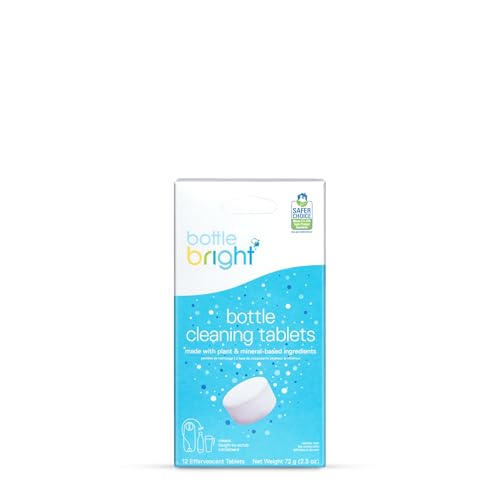
Bottle Bright Single Pack (12 Tablets)- Clean Stainless Steel, Thermos, Tumbler, Insulated and Reusable Water Bottles –Cleaning Tablets are Easy and Safe to Use
- Restores Stained Bottles: Removes coffee and tea stains
- Easy to Use: Drop tablet into warm water and fizz
- Eliminates Odors: Removes lingering smells and bad taste
As an affiliate, we earn on qualifying purchases.
As an affiliate, we earn on qualifying purchases.

MB Stone Care Soap and Mineral Deposit Remover – 2 Pack – Cleaning Agent for Stone & Glass – MB-3
- Item Form: Liquid for easy application
- Uses: Cleans showers, glass, and bathrooms
- Material Compatibility: Safe for natural marble surfaces
As an affiliate, we earn on qualifying purchases.
As an affiliate, we earn on qualifying purchases.