
TL;DR

Get coffee and tea gear delivered free with Prime
- Fast, free delivery on millions of items
- Prime Video, Amazon Music and more included
- Member-only deals all year
A Good Housekeeping report recommends eight foods to work into Mediterranean-style meals this fall: butternut squash, lentils, pears, kale, citrus, walnuts, olive oil and pomegranate. The article describes their seasonal uses and nutrients, but some health effects it mentions are based on associations or potential benefits, not proof that a particular food prevents or treats disease.
Good Housekeeping has published a guide to eight foods to add to Mediterranean-style meals this fall, including butternut squash, lentils, pears, kale, citrus, walnuts, olive oil and pomegranate. The list pairs seasonal produce and pantry staples with practical serving ideas, while describing nutrients and possible health links that should not be read as guarantees of disease prevention or treatment.
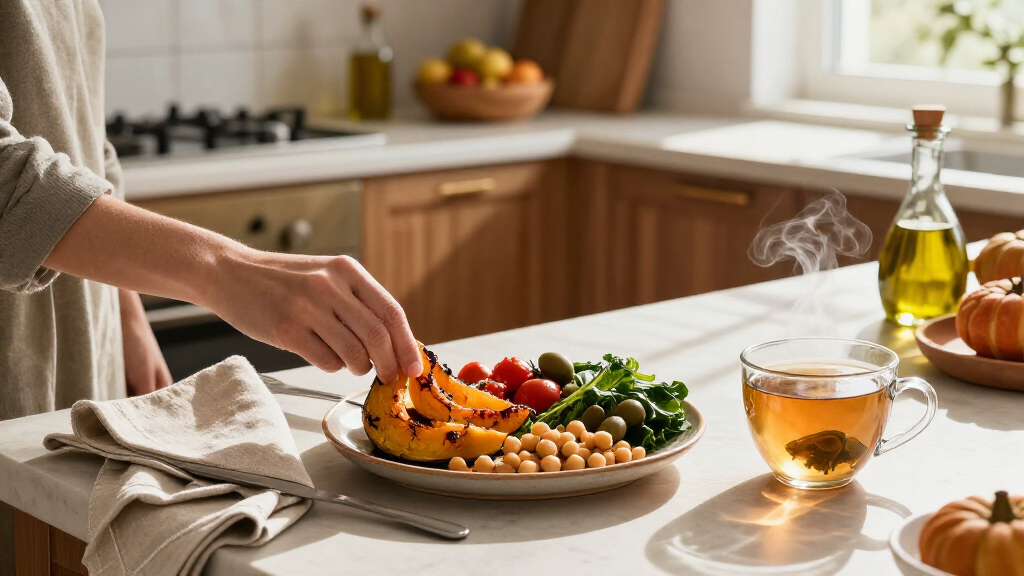
The recommendations span produce, legumes, nuts and cooking oil. The report suggests roasting butternut squash with olive oil and herbs, blending it into soup, or adding it to salads and pasta. It identifies squash as a source of fiber, vitamins and beta carotene. Lentils, which the article describes as a source of plant-based protein, fiber and iron, can go into soups, stews or a warm salad with roasted root vegetables.
For fruit, the guide points to pears and citrus. Pears can be eaten fresh or paired with walnuts and feta in a salad; the report says they provide dietary fiber and vitamin C. Lemons and oranges can brighten grain dishes, stews and salads. One suggested combination is a lentil, kale and orzo stew with lemon. The article also names kale as a cool-weather leafy green, recommending it in soups or salads, or lightly sautéed with garlic.
The remaining picks add crunch, richness and color: sprinkle walnuts on oatmeal or salads, use olive oil in cooking or dressings, and scatter pomegranate seeds over roasted vegetables, grain bowls or yogurt. These are serving suggestions from the report, not a prescribed meal plan. Its guidance centers on incorporating the foods into varied meals rather than relying on any single ingredient.
Seasonal Foods, Everyday Meals
The list offers readers practical ways to adapt Mediterranean-style cooking to fall ingredients, when warmer dishes such as soups, stews and roasted vegetables may be appealing. It connects familiar seasonal foods with options for adding fiber, plant-based protein and unsaturated fats to meals. For example, lentils can anchor a filling stew, while olive oil, citrus and herbs can add flavor to vegetables and grains.
The health framing calls for care. Good Housekeeping describes nutrients and research associations, including possible links between pears and heart health and potential anti-inflammatory effects of compounds in foods. Those statements do not establish that eating one food will prevent or treat a condition. The practical value here is the range of accessible meal ideas, not a promise of a particular health outcome.
Products Worth Considering

Traeger Westwood Wood Pellet Grill and Smoker, 653 sq. in., WiFIRE

Breville BES870BTR Barista Express Espresso Machine, Black Truffle

Vitamix 5200 Professional-Grade Blender, 64 oz. Container, Black
As an affiliate, we earn on qualifying purchases.
How the List Fits Fall
The Mediterranean diet is presented in the source as a pattern that includes foods such as vegetables, legumes, nuts and olive oil. The report applies that approach to produce available in cooler months, rather than proposing a new diet or making a clinical recommendation. Its eight selections combine seasonal ingredients—such as squash, pears and late-fall pomegranate—with staples that can be kept on hand, including lentils, walnuts and olive oil.
The article also includes comments from nutrition experts. Stuart recommends squash as a versatile fall ingredient, while Shaw describes how citrus can complement beans and lentils. The source provides no detailed research citations alongside every health statement, so readers should distinguish those attributed comments and reported associations from established medical advice.
“Fall is the perfect time to enjoy butternut squash, a fantastic addition to the Mediterranean diet.”
— Stuart, as quoted by Good Housekeeping
Limits of the Health Claims
The source does not provide the publication date, full study citations for each health statement, or evidence that eating these foods produces specific outcomes for an individual. It describes some effects as possible or linked in data; those terms indicate uncertainty and do not prove cause and effect. Claims about potential benefits of compounds in olive oil or citrus should not be treated as evidence that these foods treat cancer, heart disease or other conditions.
The list is not tailored to individual medical needs, allergies or dietary restrictions. It also does not set serving sizes or give a complete nutritional plan. Readers seeking advice for a health condition can consult a qualified health professional.
The report offers recipe inspiration rather than a follow-up announcement or formal program. Readers can use its suggestions to build meals around the foods that suit their preferences—for example, lentils with roasted vegetables, kale with lemon, or pears with walnuts. No further publication, research milestone or policy change is specified in the source.
For food safety, store cut produce and prepared dishes promptly under refrigeration, and keep perishable foods at safe temperatures. Check ingredient labels and recipes for common allergens: walnuts and other tree nuts, dairy in feta, and sesame in tahini may be relevant. People with allergies should choose suitable alternatives and avoid cross-contact.
Key Questions
Which foods does the fall guide recommend?
It names butternut squash, lentils, pears, kale, lemons and oranges, walnuts, olive oil and pomegranate.
How can I use lentils in a fall meal?
The report suggests adding them to soups, stews or a warm salad with roasted root vegetables. It also describes pairing lentils with kale, orzo and lemon.
Does the article say these foods prevent disease?
No. It discusses nutrients and possible health associations, but those claims do not show that a food will prevent or treat disease. Some effects are described as potential or linked in data.
Are there allergens in the suggested combinations?
Some examples include walnuts, feta cheese or tahini. Walnuts are a tree nut, feta contains dairy, and tahini is made from sesame. Check ingredients and avoid foods that are unsafe for your allergies.
Source: goodhousekeeping.com