

TL;DR
Norway has announced new regulations aimed at improving sustainability in its salmon farming sector. The measures are expected to influence global supply chains and environmental policies. Details on implementation and industry response are still emerging.
Norwegian authorities announced new regulations on salmon farming practices on March 15, 2024, aimed at reducing environmental impacts and improving sustainability standards. The measures, which will take effect gradually over the next year, are expected to reshape the industry and influence global seafood markets.
The Norwegian government introduced a set of regulations requiring salmon farms to limit their use of antibiotics and reduce escapees, with stricter environmental monitoring. The new rules also mandate increased transparency in reporting farm practices and environmental impact assessments. Industry representatives have expressed concern about potential increased costs, but officials emphasize the importance of sustainable growth. The regulations are part of Norway’s broader commitment to environmental responsibility and global seafood sustainability standards, which are increasingly valued by consumers and trading partners.According to the Norwegian Ministry of Fisheries and Ocean Policy, these changes aim to balance economic growth with environmental preservation. The measures follow years of debate over the environmental footprint of Norway’s salmon industry, which is a major global supplier. The government has indicated that enforcement will involve regular inspections and penalties for non-compliance, with the goal of ensuring industry-wide adherence.Industry groups have responded cautiously, with some calling for clearer guidelines and financial support during the transition. Experts suggest that these regulations could lead to shifts in supply and pricing, potentially affecting global markets that depend heavily on Norwegian salmon, including the European Union, the United States, and Asia.It is not yet clear how quickly farms will adapt to the new rules or what the specific economic impacts will be in the short term, as detailed implementation plans are still being finalized.Implications for Global Salmon Supply and Sustainability
The new regulations in Norway are significant because Norway is the world’s largest salmon exporter, supplying approximately 50% of global demand. Stricter environmental standards could influence other major producers to adopt similar measures, potentially leading to a global shift towards more sustainable practices. For consumers, this could mean higher-quality products with lower environmental impact, but also possible price increases. The move underscores the increasing importance of sustainability in seafood production and international trade, as environmental concerns and consumer preferences evolve.

Today Gourmet Foods of NC – Sushi-Grade Norwegian Salmon Fillets (12-6/7oz fillets) (Kosher)
- Portion-Controlled Packaging: Individual 6-7 oz salmon fillets
- High-Quality Protein: Approximately 42 grams per fillet
- Rich in Vitamins and Minerals: Over 100% daily B-12 and Selenium
As an affiliate, we earn on qualifying purchases.
As an affiliate, we earn on qualifying purchases.
Recent Developments in Norway’s Salmon Industry Regulations
Norway’s salmon industry has faced scrutiny over environmental issues such as sea lice, escapees, and antibiotic use. Over the past decade, the government has implemented various measures to address these concerns, including stricter licensing and environmental monitoring. However, debates over balancing industry growth with ecological preservation have persisted. The latest regulations build on previous efforts, reflecting both domestic environmental priorities and international market pressures for sustainable seafood.
Historically, Norway’s salmon exports have grown steadily, reaching a record value of over $10 billion in 2023. The industry’s expansion has raised concerns about environmental degradation, prompting calls from environmental groups and trading partners for stricter controls. The government’s new measures are seen as a response to these pressures, aiming to maintain Norway’s reputation as a sustainable seafood producer while supporting economic growth.
“These new regulations mark a significant step towards sustainable salmon farming, balancing economic interests with environmental responsibility.”
— Norwegian Minister of Fisheries and Ocean Policy

Premium Wild-Caught Sockeye Salmon Fillets, 4 count, 7 oz – Deep Red-Orange Color, Firm Texture, High Omega-3 Fatty Acids – Restaurant Quality Sockeye Salmon from Kansas City Steak Company.
- Flavor Profile: Rich, robust, deep red-orange color
- Texture: Firm and succulent
- Omega-3 Content: High in heart-healthy Omega-3s
As an affiliate, we earn on qualifying purchases.
As an affiliate, we earn on qualifying purchases.
Details of Implementation and Industry Response Still Unclear
It is not yet clear how quickly salmon farms will adapt to the new regulations, what specific costs will be involved, or how enforcement will be carried out across different regions. The precise timeline for full compliance and the potential economic impact on prices and supply remain uncertain as detailed guidelines are still being finalized.
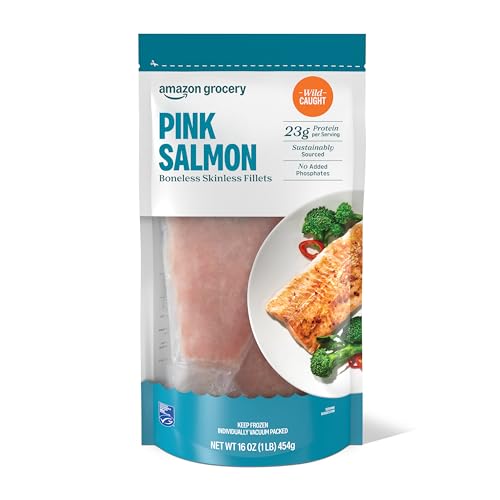
Amazon Fresh Brand, Wild Caught Pink Salmon Skinless Fillet Portions, Frozen, Sustainably Sourced, Phosphate Free, 1 Lb
- Package Size: 1-pound resealable bag
- Fillet Type: Skinless pink salmon fillets
- Catch Method: Wild Caught
As an affiliate, we earn on qualifying purchases.
As an affiliate, we earn on qualifying purchases.
Monitoring Compliance and Market Reactions Expected Soon
Next steps include the publication of detailed implementation guidelines by the Norwegian authorities, followed by industry compliance efforts. Regulatory agencies will conduct inspections to ensure adherence, while market analysts will monitor how these changes influence global salmon prices and supply chains. Stakeholders will also watch for potential trade negotiations or disputes related to the new standards.

Organic Atlantic Salmon FIllet
- Sustainably Farmed or Wild-Caught: Responsibly sourced Atlantic salmon
- No Harmful Preservatives: Free from sodium bisulfite and STPP
- Fully Traceable: Traceable to farm or fishery
As an affiliate, we earn on qualifying purchases.
As an affiliate, we earn on qualifying purchases.
Key Questions
How will the new regulations affect salmon prices?
It is uncertain at this stage. Increased compliance costs could lead to higher prices, but the exact impact will depend on how quickly farms adapt and market responses.
Will other countries follow Norway’s lead?
Potentially. Norway’s position as the largest exporter gives its standards influence, and other major producers may adopt similar measures if market and environmental pressures continue.
What specific environmental issues are these regulations addressing?
The regulations target reducing antibiotic use, limiting escapees, and improving environmental monitoring to mitigate ecological impacts of salmon farming.
When will the new rules be fully enforced?
Implementation will occur gradually over the next 12 months, with detailed enforcement timelines to be published soon.
While no disputes have been officially announced, stricter standards could lead to trade discussions or challenges from importing countries concerned about market access or compliance costs.
Source: hn