
🔍 Read the full analysis: The Bialetti Question And Beyond: Picking Your Second Coffee Maker on Mad Tasting

Get coffee and tea gear delivered free with Prime
- Fast, free delivery on millions of items
- Prime Video, Amazon Music and more included
- Member-only deals all year
TL;DR
There is no single best second coffee maker after a Bialetti moka pot: the choice depends on whether you want a different cup, a larger batch, easier mornings or true espresso. Pour-over, French press, AeroPress, drip and espresso machines each bring different tradeoffs, and a second moka pot may be the most practical choice if you mainly need more capacity.
A Mad Tasting guide recommends choosing a second coffee maker by identifying what a Bialetti moka pot does not provide—such as a larger batch, a cleaner cup, a quicker single serving or true espresso—rather than shopping for a universal upgrade. The choice matters because each brewer brings different flavor, cleanup and time demands, and a second moka pot may be more useful than a new brewing method if the main problem is capacity.
The guide describes moka coffee as rich and concentrated, but distinguishes it from espresso: a moka pot uses steam pressure at lower pressure than espresso equipment, so it does not produce espresso extraction or crema. A moka pot may still suit people who want strong coffee, particularly with milk; those seeking espresso-based drinks will need different equipment.
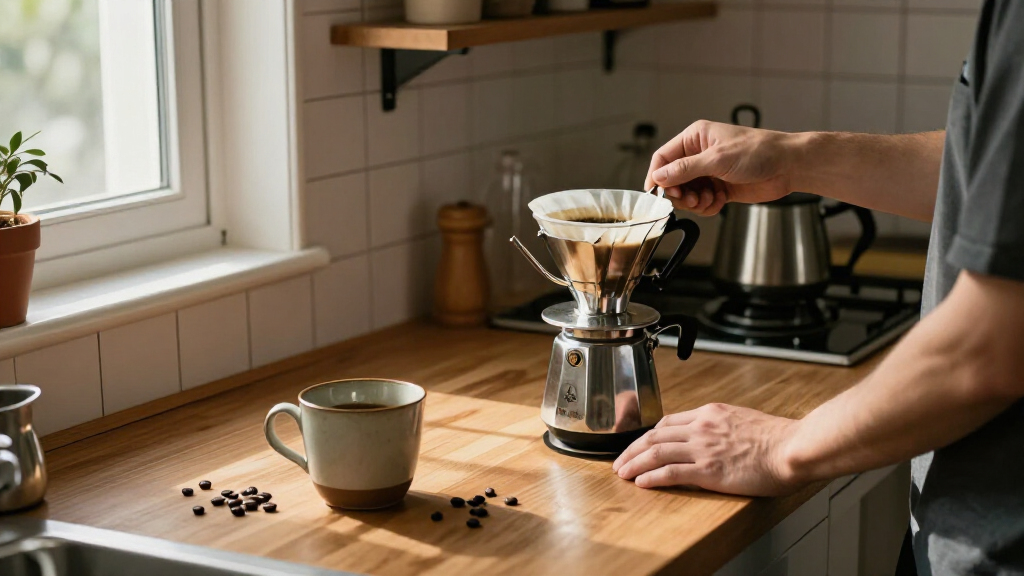
For a cleaner, lighter cup, the guide points to pour-over, which uses a filter and gives the brewer control over grind, water flow and brewing time. Its tradeoffs are hands-on attention and, often, a kettle. French press offers a fuller-bodied brew with more oils and some sediment; it makes a shared pot, but grounds and the screen need cleaning.
An AeroPress is presented as a quick, adaptable option for a small serving or travel, while a drip machine suits a larger, more hands-off batch. An espresso machine is the choice for true espresso, but it typically costs more and requires practice and regular care. The guide says buyers should check serving size, cleanup, grinder needs, budget, counter space and stove compatibility before choosing.
Choose for Your Daily Coffee Routine
The practical question is not which brewer is best in general, but whether it solves a specific gap in the kitchen. Someone who routinely makes coffee for several people may benefit more from a drip machine or larger French press than from a single-cup pour-over. A person who wants more aroma and clarity may find pour-over a more distinct addition than another brewer producing concentrated coffee.
These differences also affect whether a new appliance gets used. A brewer that needs close attention may fit a relaxed weekend but frustrate someone rushing out the door. A larger machine may help with guests yet take up counter space every day. Matching the purchase to the household’s actual servings and schedule can matter as much as the expected taste.
Products Worth Considering

KitchenAid 28 oz Cold Brew Coffee Maker, KCM4212

De'Longhi Stilosa Compact Manual Espresso Machine with Milk Frother

Instant Pot InstantChill Ice Cream Maker with Rolled Ice Cream, 2-Pint
As an affiliate, we earn on qualifying purchases.
What a Moka Pot Already Offers
The guide frames the moka pot as a reference point rather than a brewer that needs replacing. Its stovetop method makes a bold, concentrated drink, but its capacity may not suit every household and its output differs from both filtered coffee and espresso. That distinction helps separate a request for stronger coffee from a request for actual espresso.
Its suggested starting point is to name the missing experience in plain terms—for example, coffee for four, less sediment, a quick single cup or real espresso drinks. From there, buyers can compare the methods against the problem they are trying to solve. If the only shortcoming is that a small moka pot cannot serve everyone at once, choosing a larger moka pot may be more practical than adding a different brewing routine.
“Your second coffee maker should solve a problem your moka pot leaves behind.”
— Mad Tasting guide
Details Buyers Still Need to Check
The guide does not name particular models, prices, capacity ranges or independent performance tests. It also does not specify which grinders are suitable for each method or provide a detailed comparison of maintenance costs. Buyers will need to check those details for the products they are considering, including whether a moka pot is compatible with their stove.
The recommendations describe general differences between brewing methods, not a guarantee that every machine or recipe will produce the same result. Taste depends on factors such as beans, grind and preparation. The guide also offers no single answer for readers whose priorities conflict—for example, a larger batch and a compact appliance—so the best fit remains dependent on household needs and available space.
Set Priorities Before Buying
The guide’s next step for buyers is to identify the missing cup or convenience, then compare serving size, cleanup, grinder requirements, budget and counter space. For espresso drinks, check that the equipment makes true espresso and be prepared for a higher cost, regular care and a learning curve. For a larger batch, compare a drip machine, French press and larger moka pot against the number of cups needed.
No product announcement or follow-up milestone is reported. The decision remains a household purchase choice: select the brewer that addresses a recurring need, and avoid adding equipment that duplicates what the existing moka pot already does well.
Key Questions
Is moka pot coffee the same as espresso?
No. The guide says a moka pot uses steam pressure at lower pressure than espresso equipment. It makes concentrated coffee, but not espresso extraction or crema.
Which brewer is best for a cleaner-tasting cup?
The guide recommends pour-over for a cleaner, lighter cup. Its filter catches most fine particles and some oils, though brewing requires attention and often a kettle.
What should I choose for several people?
A drip machine or a French press may suit a larger batch better than a single-serving brewer. If your main issue is a small moka pot’s capacity, the guide says another moka pot in a larger size could also be practical.
Is an AeroPress a good choice for a crowd?
The guide describes the AeroPress as a quick, adaptable option for small servings and travel, not as a brewer suited to serving a crowd.
What should I check before buying?
Compare serving size, cleanup, grinder needs, budget and counter space. If considering another moka pot, check stove compatibility; if considering espresso equipment, account for its cost, maintenance and learning curve.
Source: Mad Tasting