
TL;DR

Get coffee and tea gear delivered free with Prime
- Fast, free delivery on millions of items
- Prime Video, Amazon Music and more included
- Member-only deals all year
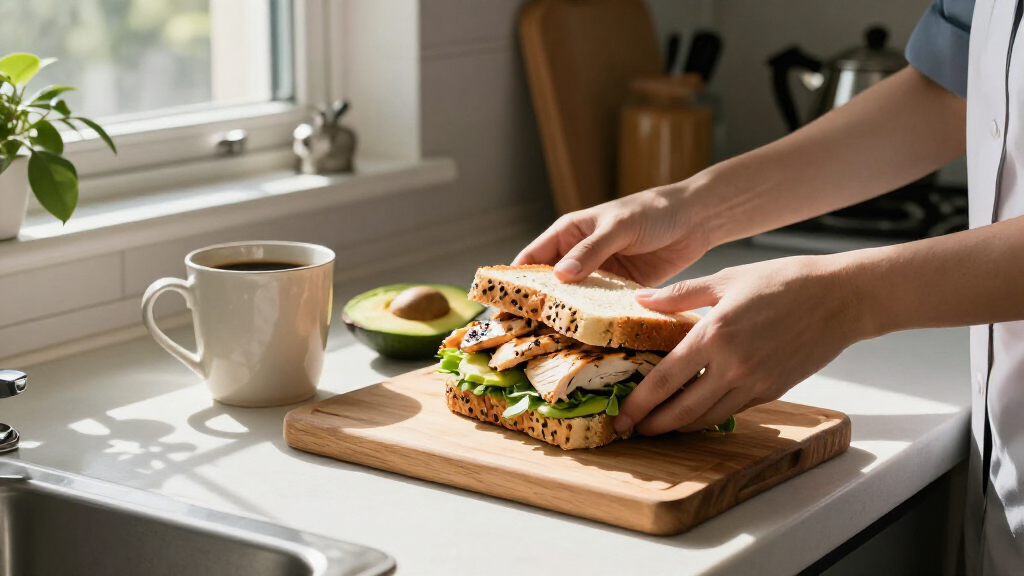
A Good Housekeeping dietitian describes a flexible approach to building a high-protein sandwich: start with a protein-rich filling, then add vegetables, fiber-rich bread and other ingredients for flavor and balance. The report cites CDC data saying sandwiches are a major contributor to Americans’ protein intake, but gives no figures or specific comparison period.
A Good Housekeeping dietitian has outlined a simple method for making a more protein-rich sandwich: begin with a substantial protein filling, then add produce and fiber-rich bread or a wrap. The report also cites CDC data describing sandwiches as a major contributor to Americans’ protein intake, though it does not provide the figures or the data’s time period.
The dietitian’s approach starts with fillings such as chicken salad or tuna salad, which she says she sometimes makes with Greek yogurt or cottage cheese instead of mayonnaise. She also suggests mixing chopped or grated hard-boiled egg into the salad. These are personal preparation ideas in the report, not a set nutrition prescription, and the source does not give protein amounts for any recipe.
For additional texture and nutrients, she recommends adding avocado, cucumber, tomato and leafy greens, with arugula as her preferred option. Sprouted-grain bread is one option for adding protein, while a high-protein wrap, including a cottage cheese or egg-based wrap, may also work. A slice or two of cheese can add protein and flavor, and lentil soup is offered as a possible side.
The report also suggests alternatives to poultry, including tuna, eggs, steak and chickpeas. For a meat-free filling, the dietitian mashes chickpeas with lemon juice, salt, pepper and plain Greek yogurt, then adds dill, celery, shallots and a little Dijon mustard. She says vegan mayonnaise can replace the yogurt. Hummus or avocado spread can go on the bread, and bean soup can accompany the sandwich.
A Familiar Lunch, Built Around Protein
The advice focuses on a food many people already eat rather than relying only on products marketed specifically for protein, such as shakes and bars. The dietitian’s cited CDC finding suggests sandwiches play a meaningful role in Americans’ protein intake, although the supplied report does not include the underlying data needed to quantify that role or compare sandwiches with other foods.
Her emphasis is also broader than protein alone. She recommends including fiber, vegetables, healthy fats and complex carbohydrates to make lunch more varied and satisfying. The practical takeaway is to adapt a familiar meal with ingredients that suit a person’s preferences, rather than treating a high-protein sandwich as a fixed recipe. The report does not establish that one combination is best for everyone.
Products Worth Considering

Instant Pot Dual Action 8-in-1 Multi-Cooker (Sea Salt)

Breville Bambino Espresso Machine, Brushed Stainless Steel

Vitamix Propel Series 510 Professional-Grade Blender, Black
As an affiliate, we earn on qualifying purchases.
The Dietitian’s Sandwich Formula
The Good Housekeeping report frames sandwich-building as a customizable way to combine a protein source with other ingredients. The dietitian says she often makes sandwiches for a high-protein lunch and chooses the filling first, then considers flavor and nutrition. Her examples range from leftover rotisserie chicken and sliced turkey to steak, eggs and plant-based chickpeas.
She links her recommendations to the balance of the meal: higher-fiber bread or wraps, vegetables and greens, and additions such as avocado. The article also mentions swapping mayonnaise for Greek yogurt or cottage cheese in salads. Those substitutions are suggestions from the dietitian; the report does not compare their nutrition profiles or provide recipe calculations.
“I usually start with a protein-rich filling.”
— The dietitian quoted in the Good Housekeeping report
Nutrition Figures Not Provided
The supplied report says CDC data identifies sandwiches as a major contributor to Americans’ protein intake, but does not state the amount, percentage, survey period or comparison basis. Readers therefore cannot determine from this material how sandwiches rank against other sources or whether the finding reflects a recent change.
The article also gives no nutrition labels, serving sizes or protein totals for its suggested sandwiches. Actual values would depend on ingredients and portions, including the bread, filling, dairy products and toppings. The report does not claim the suggested combinations meet any individual’s dietary needs, and it offers no comparison showing that one option is nutritionally superior.
Adapt the Ingredients to Your Meal
The report presents the ideas as flexible choices rather than a recipe with a required next step. Readers can use a protein filling they enjoy, add vegetables and choose bread or a wrap that fits their preferences. Anyone seeking a specific protein target would need to check the amounts in their ingredients or consult a qualified health professional.
No follow-up data, updated CDC figures or additional reporting is included in the supplied material. The source does not say whether further analysis of sandwich-related protein intake is planned.
Key Questions
What is the dietitian’s basic formula for a high-protein sandwich?
Start with a protein-rich filling, then add vegetables or greens and consider higher-fiber bread or a wrap. The report offers examples, but does not set a single required recipe or protein target.
What fillings does the report recommend?
Examples include chicken, tuna, turkey, eggs, steak and chickpeas. The dietitian also suggests chicken or tuna salad made with Greek yogurt or cottage cheese instead of mayonnaise.
How does the report suggest making a plant-based sandwich?
It describes smashed chickpeas seasoned with lemon juice, salt, pepper, dill, celery, shallots and Dijon mustard. The dietitian uses Greek yogurt in her version but says vegan mayonnaise can be used instead.
Does the article give a protein count for these sandwiches?
No. The supplied report provides ingredient ideas but no serving sizes or protein totals. Nutrition would vary with the ingredients and amounts used.
Source: rss